

Protecting Access to Ground Ambulance Medical Services Act of 2021 This bill modifies Medicare payment of ground ambulance services in rural areas. Specifically, the bill extends the specialized rate increase for such services for an additional five years (until January 1, 2028). The bill also requires the Centers for Medicare & Medicaid Services to (1) allow an area that has 1,000 or fewer individuals per square mile to retain its status as a rural area even if it would otherwise no longer qualify, and (2) establish an appeals process for providers to seek reconsideration of a change in an area's status.
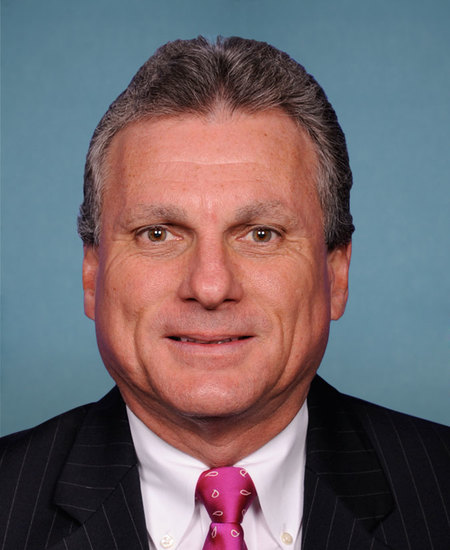
Rep. Earl L. "Buddy" Carter
Sponsored bills
Protecting Gold Star Spouses Act of 20 21 This bill provides interim appropriations for the Coast Guard Retired Serviceman's Family Protection and Survivor Benefits Plans if a bill providing appropriations for the plans has not been enacted before the fiscal year begins. The bill provides the appropriations at the rate of operations and under the terms and conditions provided by the most recent law making full-year appropriations for the plans. The appropriations provided by this bill are not available after a bill is enacted that (1) provides appropriations for the plans, or (2) provides appropriations for the Coast Guard without funding the plans.
Voluntary Protection Program Act This bill provides statutory authority for the voluntary protection program within the Occupational Safety and Health Administration. Under the program, workplaces that implement comprehensive safety and health management systems are exempt from certain paperwork and inspection requirements.
This resolution condemns Iranian state-sponsored terrorist attacks against U.S. citizens and officials and Iranian dissidents and expresses support for the people of Iran who are engaged in legitimate and peaceful protests against the Iranian regime.
Historic Tax Credit Growth and Opportunity Act of 2021 This bill increases the rehabilitation tax credit and modifies certain requirements for the credit. The bill increases the rate of the credit for qualified rehabilitation expenditures in taxable years beginning after December 31, 2019, and before January 1, 2027, after which the rate reverts to 20%. The bill increases the rate of the credit to 30% for certain small projects whose qualified rehabilitation expenditures do not exceed $2.5 million. The bill also expands the types of buildings eligible for rehabilitation by decreasing the rehabilitation threshold from 100% to 50% of project expenses. It also eliminates the basis adjustment requirement for the credit and modifies rules relating to tax-exempt use property eligible for the credit.
Willie O'Ree Congressional Gold Medal Act This bill provides for the award of a Congressional Gold Medal to Willie O'Ree or, if unavailable, to a member of his family, in recognition of his contributions and commitment to hockey, inclusion, and recreational opportunity.
Emmett Till and Mamie Till-Mobley Congressional Gold Medal Act of 2021 This bill provides for the posthumous presentation of a Congressional Gold Medal in commemoration of Emmett Till and Mamie Till-Mobley. After the award the medal shall be given to the National Museum of African American History and Culture.
Ensuring Parity in MA and PACE for Audio-Only Telehealth Act of 2021 This bill allows audio-only diagnoses that are made via telehealth to be used for purposes of determining risk adjustments to payments under Medicare Advantage. Additionally, the bill requires payments for Medicare telehealth services that are furnished during the public health emergency relating to COVID-19 (i.e., coronavirus disease 2019) to be made in the same amounts as those for in-person services.
Neighborhood Homes Investment Act This bill establishes a new business-related tax credit to finance home building and rehabilitation in neighborhoods that meet certain eligibility criteria relating to poverty rates, income, and home values. The credit is limited to 35% of the lesser of the qualified development cost (i.e., the cost of construction, substantial rehabilitation, demolition, and environmental remediation of residential properties) or 80% of the national median sale price for new homes. The credit applies to single family homes containing four or fewer residential units, condominiums, or houses or apartments owned by cooperative housing corporations.
Safe Step Act This bill requires a group health plan to establish an exception to medication step-therapy protocol in specified cases. A medication step-therapy protocol establishes a specific sequence in which prescription drugs are covered by a group health plan or a health insurance issuer. A request for such an exception to the protocol must be granted if (1) an otherwise required treatment has been ineffective, (2) such treatment is expected to be ineffective and delaying effective treatment would lead to irreversible consequences, (3) such treatment will cause or is likely to cause an adverse reaction to the individual, (4) such treatment is expected to prevent the individual from performing daily activities or occupational responsibilities, (5) the individual is stable based on the prescription drugs already selected, or (6) there are other circumstances as determined by the Employee Benefits Security Administration. The bill requires a group health plan to implement and make readily available a clear process for an individual to request an exception to the protocol, including required information and criteria for granting an exception. The bill further specifies timelines under which plans must respond to such requests.