

Maddy summaryThe PEAT Act of 2026 amends federal regulations to clarify how certain biologic drugs are classified for approval purposes. Specifically, it prevents the Food and Drug Administration from denying approval to a biologic product simply because it contains a protein that does not have a clinical effect. This change ensures that the presence of inactive proteins does not automatically disqualify a drug from being treated as a biological product. The legislation directly impacts pharmaceutical companies developing complex biologics and the regulatory review process for these medicines. By removing this specific barrier, the bill aims to streamline the path to market for drugs that include non-active protein components.
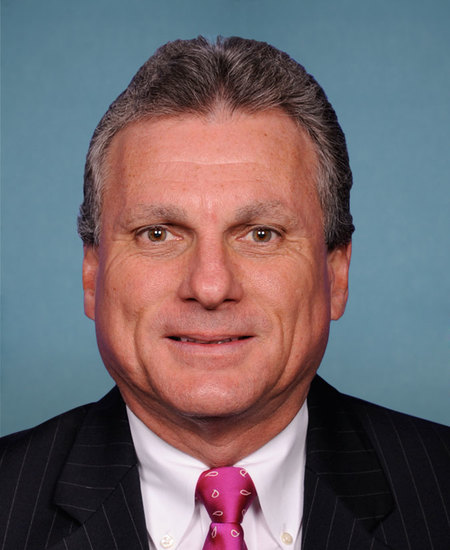
Rep. Earl L. "Buddy" Carter
Sponsored bills
Maddy summaryThe FAIR Labels Act of 2026 establishes new labeling requirements for cell-cultivated protein products and plant-based alternatives designed to look like meat or poultry. It mandates that labels for these products prominently display the terms "cell-cultivated" or "plant-based alternative protein product" and include clear disclaimers stating the items are not derived from live animals or birds. Additionally, the bill updates regulatory oversight by requiring the USDA and FDA to revise their agreement, assigning the USDA primary responsibility for regulating cell-cultivated meat and poultry while the FDA oversees production safety and facility compliance. The legislation also directs these agencies to create common standards of identity for these products within 180 days of enactment.
Maddy summaryThe Save America's Family Forests Act of 2026 provides tax incentives to encourage landowners to replant forests damaged by natural disasters. It increases the standard tax deduction for routine reforestation projects from $10,000 to $30,000 per property and adjusts these amounts annually for inflation. Additionally, the bill allows a special deduction of up to $1 million for expenses related to replanting trees destroyed by federally declared disasters, with specific rules to prevent double-dipping with other tax benefits. These financial benefits are designed to help taxpayers recover costs and promote forest regeneration without changing the underlying laws governing disaster relief or timber management.
Maddy summaryHR 6373 modifies the Clean Air Act to create new permitting flexibility for specific facilities. It allows the President to waive certain emission offset requirements for new or modified semiconductor manufacturing facilities or critical mineral facilities (like those processing lithium or cobalt) if deemed necessary for national security. States can also permit these facilities to use alternative offset methods - such as paying an emissions fee capped at 1.5 times local control costs - if all standard offsets are exhausted, with fees required to fund further emissions reductions in the area. The bill directly affects advanced manufacturing and critical mineral operations seeking streamlined permitting.
Maddy summaryHR 4214 requires the Environmental Protection Agency (EPA) to publish final implementing regulations and guidance for new or revised national air quality standards at the same time as the standards themselves. This affects developers seeking preconstruction permits for facilities like factories or power plants, as the new standards cannot be applied to permit reviews until the EPA provides this guidance. The bill also includes a specific provision delaying the application of the 2024 PM2.5 air quality standard to certain permit applications if they meet timing conditions related to the EPA's final designation of affected areas. It does not change the air quality standards or pollution limits themselves, but ensures permit applicants receive clear guidance alongside new rules. The bill focuses on procedural timing for EPA rulemaking to streamline the permitting process.
Maddy summaryThis bill modifies tax credit rules for nuclear power plants to allow them to claim investment credits without certain restrictions that currently apply to other energy facilities. Specifically, it removes a limitation that previously prevented public utility companies from claiming these credits for nuclear facilities and eliminates a rule that capped credits based on how quickly the project was completed. These changes would affect nuclear power generators and investors starting with taxable years beginning after December 31, 2026. The bill does not create new tax credits but adjusts existing ones to treat nuclear facilities more similarly to other qualified energy projects.
Maddy summaryThis bill, titled the Territorial Protection and Sovereignty Act, ends the Temporary Protected Status program for individuals currently holding that status in the United States. It requires that any existing status grants terminate immediately upon the law's enactment. Affected individuals must depart the country within 60 days of the bill becoming effective to avoid being classified as unlawfully present. The legislation removes the specific legal protections previously established under Section 244 of the Immigration and Nationality Act.
Maddy summaryThe Make DC Square Again Act proposes to reverse a 19th-century decision by returning the land currently known as Arlington County and the independent City of Alexandria in Virginia back to the District of Columbia. This legislation would repeal the 1846 law that retroceded this territory to the Commonwealth of Virginia, effectively making the district ten miles square as originally intended by the Constitution. Upon enactment, federal and local laws of the District of Columbia would apply to the restored area, while existing property rights and any pending legal cases in Virginia courts would remain unaffected.
Maddy summaryHR 5543, the Baltic Security Assessment Act of 2025, requires the U.S. State and Defense Departments to submit a report within 180 days of enactment. The report will assess emerging military, cyber, hybrid, and political threats to Estonia, Latvia, and Lithuania, including the roles of Russia, Belarus, China, Iran, and other actors. It will also evaluate U.S. and NATO military presence in the region, opportunities for defense cooperation, and recommendations to strengthen deterrence, cybersecurity, and democratic resilience in the Baltic countries. This bill directly affects U.S. foreign policy and defense planning regarding the Baltics, but does not create new programs or funding.
Maddy summaryThis bill reauthorizes three existing rural health care grant programs under the Public Health Service Act through 2030, extending funding from the previous 2021-2025 period. It requires all funded projects to directly serve rural underserved populations and involve these communities in planning, development, and operations. The programs support rural clinics, health networks, and quality improvement initiatives to expand access to care in underserved areas. Funding will now continue through 2030, maintaining critical support for rural health providers.