

Save America's Forgotten Equines Act of 2025 or the SAFE Act of 2025 This bill permanently prohibits the slaughter of equines (e.g., horses and mules) for human consumption. (Current law prohibits the slaughter of dogs and cats for human consumption. This bill extends the prohibition to equines.) Specifically, this bill prohibits a person from knowingly (1) slaughtering an equine for human consumption; or (2) shipping, transporting, possessing, purchasing, selling, or donating an equine to be slaughtered for human consumption or equine parts for human consumption. The bill subjects a violator to a fine. The bill applies to conduct in or affecting interstate or foreign commerce or within the special maritime and territorial jurisdiction of the United States. However, it does not apply to an activity carried out by an Indian for a religious ceremony. As background, in recent years, the appropriations acts have prohibited the Department of Agriculture (USDA) from using federal funds to inspect horses before they are slaughtered for human consumption. Therefore, there are currently no USDA-inspected horse slaughter facilities in the United States.
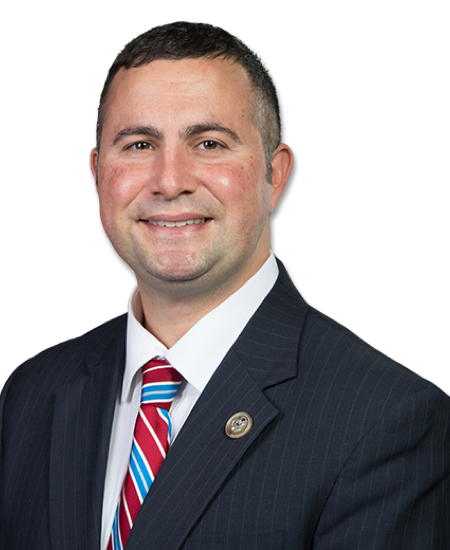
Rep. Darren Soto
Sponsored bills
Delivering for Rural Seniors Act of 2025 This bill directs the Food and Nutrition Service (FNS) to award competitive grants to state agencies under a home delivery pilot program for participants in the Commodity Supplemental Food Program (CSFP). As background, the CSFP works to improve the health of low-income persons at least 60 years of age by supplementing their diets with nutritious Department of Agriculture foods. Under the pilot program, a state agency must distribute grant funds to an eligible entity (i.e., a local agency or subdistributing agency) to operate projects that facilitate home delivery of commodities to CSFP participants. Grant funds may be used for costs associated with transportation and distribution of commodities to CSFP participants, staffing required to operate home delivery services, and home delivery outreach to CSFP participants or potential participants. A state agency must prioritize eligible entities that serve CSFP participants who reside in rural areas. A state agency must also submit an annual report to FNS about the project, including best practices regarding the use of home delivery to improve the effectiveness of the CSFP.
Maddy summaryHRES 261 is a symbolic resolution recognizing the heritage, culture, and contributions of Latinas in the United States. It celebrates Latinas' historical and ongoing roles in fields like business, military service, science, arts, and public office, while acknowledging persistent challenges like wage gaps and systemic barriers. The resolution specifically highlights that Latinas make up approximately 1 in 6 U.S. women (31 million people) and emphasizes their economic impact (contributing $1.3 billion to GDP in 2021) and cultural achievements. It does not create new policies or allocate funds but formally honors these contributions and calls for continued efforts to address inequities. This resolution directly affects Latinas as a recognized demographic group within U.S. society.
Maddy summaryHouse Resolution HRES 267 formally recognizes the 10th anniversary of Educators Rising (rebranded in 2015) and its work preparing high school students for teaching careers. The resolution commends the program for addressing teacher shortages through local "Grow Your Own" initiatives that connect students to teaching pathways. It highlights Educators Rising’s national reach (1,400+ chapters) and role in fostering educator diversity, but contains no new policies, funding, or direct impacts on individuals or schools. As a symbolic resolution, it does not create legal obligations or alter existing programs.
Maddy summaryThe CAPE Canaveral Act (HR 2422) would require the National Aeronautics and Space Administration (NASA) to relocate its headquarters to Brevard County, Florida, within one year of the bill becoming law. This bill directly affects NASA by mandating a physical move of its central administrative operations from its current location. The key provision sets a strict one-year deadline for the transfer, without altering NASA's missions or programs. The bill focuses solely on changing the headquarters location, not on policy or funding changes.
Maddy summaryHR 2477, the Portable Ultrasound Reimbursement Equity Act of 2025, would amend Medicare rules to require equal reimbursement for portable ultrasound transportation and setup services as is currently provided for portable X-ray services. This change directly affects Medicare beneficiaries needing portable ultrasound exams and healthcare providers (like mobile clinics) who offer these services. The bill mandates that Medicare pay separately for portable ultrasound transportation and setup in the same way and to the same extent as portable X-ray services, using similar supplier requirements as existing regulations. The policy change would take effect for services provided on or after January 1, 2027.
Maddy summaryThe Protecting Local Communities from Harmful Algal Blooms Act amends the Robert T. Stafford Disaster Relief Act to include harmful algal blooms as a qualifying event for federal disaster assistance, alongside existing events like droughts and floods. This change allows communities affected by harmful algal blooms - such as those experiencing water contamination or public health risks - to access federal disaster relief funds and support. The bill directly impacts local communities that face recurring water quality issues from algal blooms, which can disrupt drinking water, recreation, and ecosystems. The key mechanism is updating the Stafford Act’s list of qualifying events to explicitly add "harmful algal blooms" without creating new programs. This procedural amendment streamlines access to existing disaster relief resources for affected areas.
Maddy summaryHR 2429 requires the Secretary of Transportation to create and implement a 10-year campus modernization plan for the U.S. Merchant Marine Academy within 180 days. The bill directs the modernization of outdated facilities - including new training labs, a safety training pool, updated athletic facilities, and infrastructure upgrades like electrical systems and accessibility improvements - to support midshipmen training for maritime careers and national defense. It authorizes $1.02 billion in funding (starting in 2026) for phased construction and renovations over 10 years, prioritizing facilities needed for Coast Guard licensing exams, physical readiness, and campus safety. The plan directly affects the academy’s midshipmen, faculty, and operations by replacing aging infrastructure that currently hinders training.
Maddy summaryHR 2381, the SCREENS for Cancer Act of 2025, reauthorizes and updates the National Breast and Cervical Cancer Early Detection Program (NBCCEDP). It directly affects low-income, uninsured, or underinsured women across all 50 states, territories, and tribal communities by expanding access to breast and cervical cancer screenings, diagnostic services, and patient navigation support. Key provisions include updating program language to emphasize prevention alongside detection and control, adding specific strategies to reduce disparities, and appropriating $235 million annually for fiscal years 2026-2030. The bill also requires a GAO study by 2027 to assess program eligibility, service trends, and barriers to screening access.
Maddy summaryHR 2360 permanently exempts school bus drivers from the engine compartment inspection requirement during their commercial driver's license skills test, which was previously granted as a temporary measure in a 2024 federal notice. This affects school bus drivers in states that choose to participate in the exemption program. For six years after the bill's enactment, participating states must submit annual reports to the Transportation Secretary detailing how many drivers use this exemption. The exemption maintains the specific conditions established in the 2024 notice.