

Maddy summaryThis bill requires all non-profit organizations receiving federal funds to certify they comply with federal laws against human trafficking, alien smuggling, fraud, and bribery. Non-profits must submit this certification within 60-120 days of the law's enactment or risk repayment of funds and loss of tax-exempt status. The Department of Homeland Security must create compliance guides for non-profits and publish violation data online. Annual reports to Congress will track non-profit compliance failures related to these requirements.
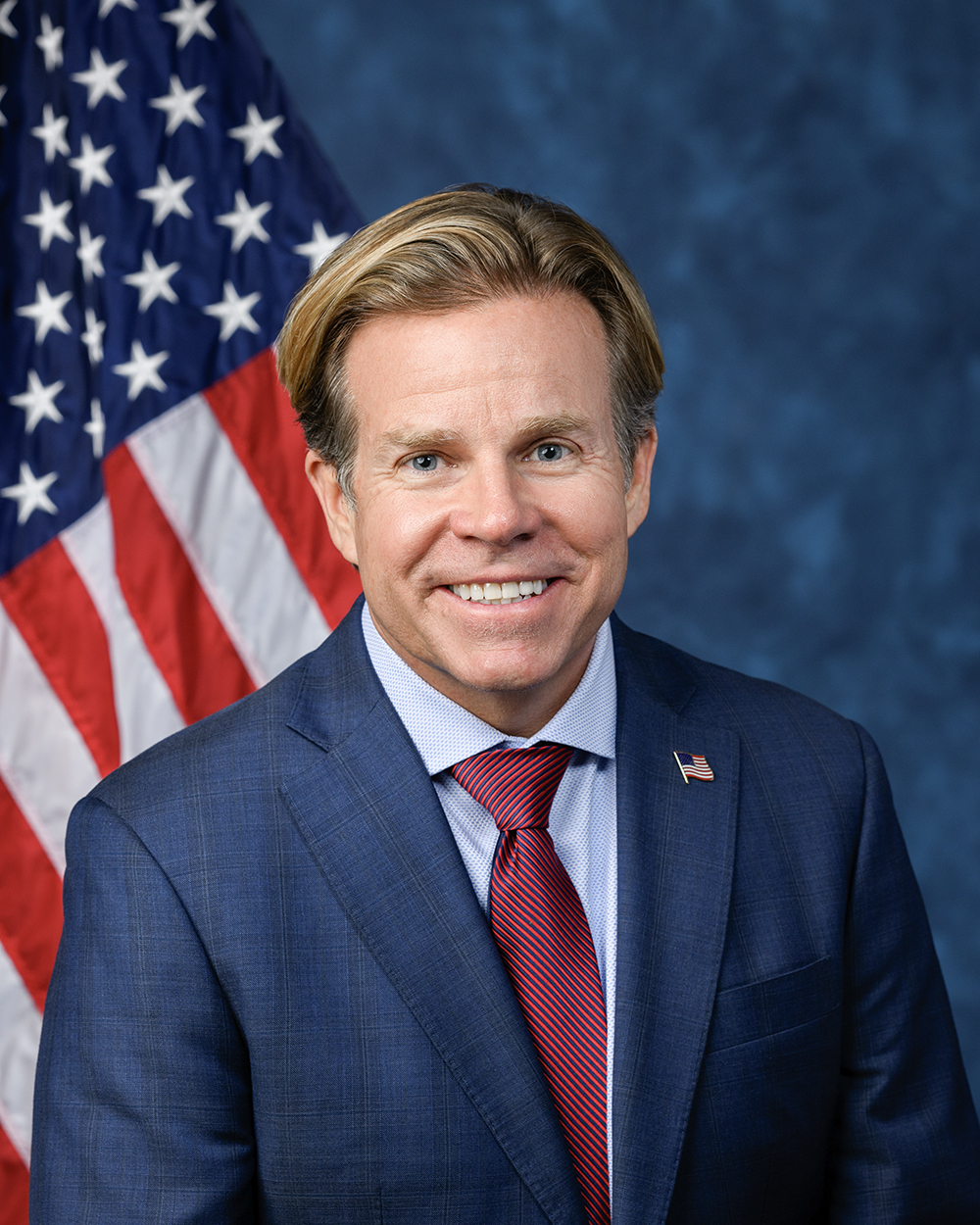
Rep. Mike Haridopolos
Sponsored bills
Maddy summaryThe Protecting American Energy Production Act (HR 26) states that Congress believes states should have primary authority to regulate hydraulic fracturing (fracking) for oil and natural gas on state and private lands. It prohibits the President from imposing a moratorium on fracking without a new law passed by Congress. This bill directly affects federal executive authority by preventing unilateral federal bans and reinforces state regulatory roles. The key provision ensures any federal restriction on fracking would require a specific act of Congress, rather than executive action.
Maddy summaryThe HALT Fentanyl Act (HR 27) creates a new category of Schedule I controlled substances for "fentanyl-related substances" defined by specific chemical modifications to fentanyl. This law directly affects researchers, medical professionals, and law enforcement by expanding the legal definition of fentanyl-related substances to include many structurally similar compounds. Key provisions include streamlined registration processes for research on these substances, allowing researchers to conduct studies with expedited procedures if related to FDA-approved drug development or government-funded research. The bill requires the Attorney General to issue implementing rules within six months and includes penalties for violations involving these substances.
Maddy summaryHR 1046, the Marc Fischer Memorial Act, requires the Bureau of Prisons to implement digital mail scanning technology at all federal prisons to detect fentanyl and other synthetic drugs in inmate mail. It mandates a strategy within 90 days of an evaluation, including 100% scanning of all mail, digital copies of mail to inmates within 24 hours, and physical mail delivery within 30 days for non-contaminated items. The bill directly affects federal prison staff, inmates, and the Bureau of Prisons by aiming to reduce drug-related overdoses and alleviate staff workload tied to mail processing. Implementation must be completed within three years, with annual reports tracking detected drugs and strategy efficiency. The legislation focuses on concrete technological and procedural changes to enhance safety, referencing a successful pilot program at two facilities.
Maddy summaryHRES 110 prohibits the distribution of Chinese Communist Party-controlled publications, such as *China Daily*, within House facilities like the Capitol building and House office buildings. It requires the Chief Administrative Officer to immediately stop accepting, distributing, or using internal mail systems for these materials, which are defined as publications registered under the Foreign Agents Registration Act and controlled by the CCP. The resolution does not restrict private receipt of such publications by Members or staff, access through public libraries, or the Library of Congress’s collection. This policy change applies immediately to all House-owned or operated facilities.
Maddy summaryThe Stop Funding Our Adversaries Act of 2023 prohibits federal agencies like Defense, Energy, Health, and Environmental Protection from funding research conducted by the Chinese government, the Chinese Communist Party, or entities owned or controlled by them. It blocks all funding mechanisms - including grants, contracts, and cooperative agreements - for such research. This directly affects how these agencies allocate research budgets and restricts support for projects led by Chinese state entities. The bill enacts a concrete policy change by banning federal financial support for research involving specified Chinese entities.
Fair Access to Banking Act This bill places restrictions on certain banks, credit unions, and payment card networks if they refuse to do business with a person who complies with the law. Restrictions include prohibiting the use of electronic funds transfer systems and lending programs, termination of an institution's depository insurance, and specified civil penalties. Banks and other specified financial institutions are allowed to deny financial services to a person only if the denial is justified by a documented failure of that person to meet quantitative, impartial, risk-based standards established in advance by the institution. This justification may not be based upon reputational risks to the institution. The bill establishes the right for a person to bring a civil action for a violation of this bill.
Maddy summaryHR 943, the "No User Fees for Gun Owners Act," bans states and local governments from requiring insurance, taxes, or user fees as conditions for owning, buying, or selling firearms. It specifically prohibits these fees for firearm manufacture, importation, acquisition, transfer, or continued ownership, except for general sales taxes applied equally to all goods. The bill amends federal law to prevent states from imposing such conditions on gun ownership or commerce, while allowing standard sales taxes to apply uniformly. This directly affects gun owners, dealers, and manufacturers by removing mandatory fees tied to firearm transactions. The law does not restrict general sales taxes but eliminates state-specific fees as a prerequisite for firearm-related activities.
Defending Domestic Orange Juice Production Act of 2025 This bill requires finished pasteurized orange juice to contain at least 10% by weight of orange juice soluble solids, exclusive of the solids of any added optional sweetening ingredients. (Current regulations require at least 10.5% by weight of orange juice soluble solids.)
Maddy summaryThis bill expands the Anti-Boycott Act of 2018 to cover boycotts promoted or enforced by international governmental organizations (IGOs), not just foreign countries. It adds "international governmental organization" to key definitions in the law and requires the President to annually report to Congress on foreign countries and IGOs that foster or impose such boycotts. The law directly affects U.S. businesses and entities subject to boycotts by IGOs, like the United Nations or World Trade Organization. The changes are technical amendments to existing definitions and reporting requirements.