

Maddy summaryHR 2296, the National Weather Service Communications Improvement Act, requires the National Weather Service (NWS) to replace its internal instant messaging system (NWSChat) with a commercial cloud-based solution by October 1, 2027. The new system must accommodate future growth, support increased users, be user-friendly, and resemble common commercial platforms. Funding up to $3 million annually from 2026-2029 will cover this upgrade, sourced from existing NWS operational budgets. This bill directly affects NWS personnel who rely on internal communications for weather forecasting and warnings.
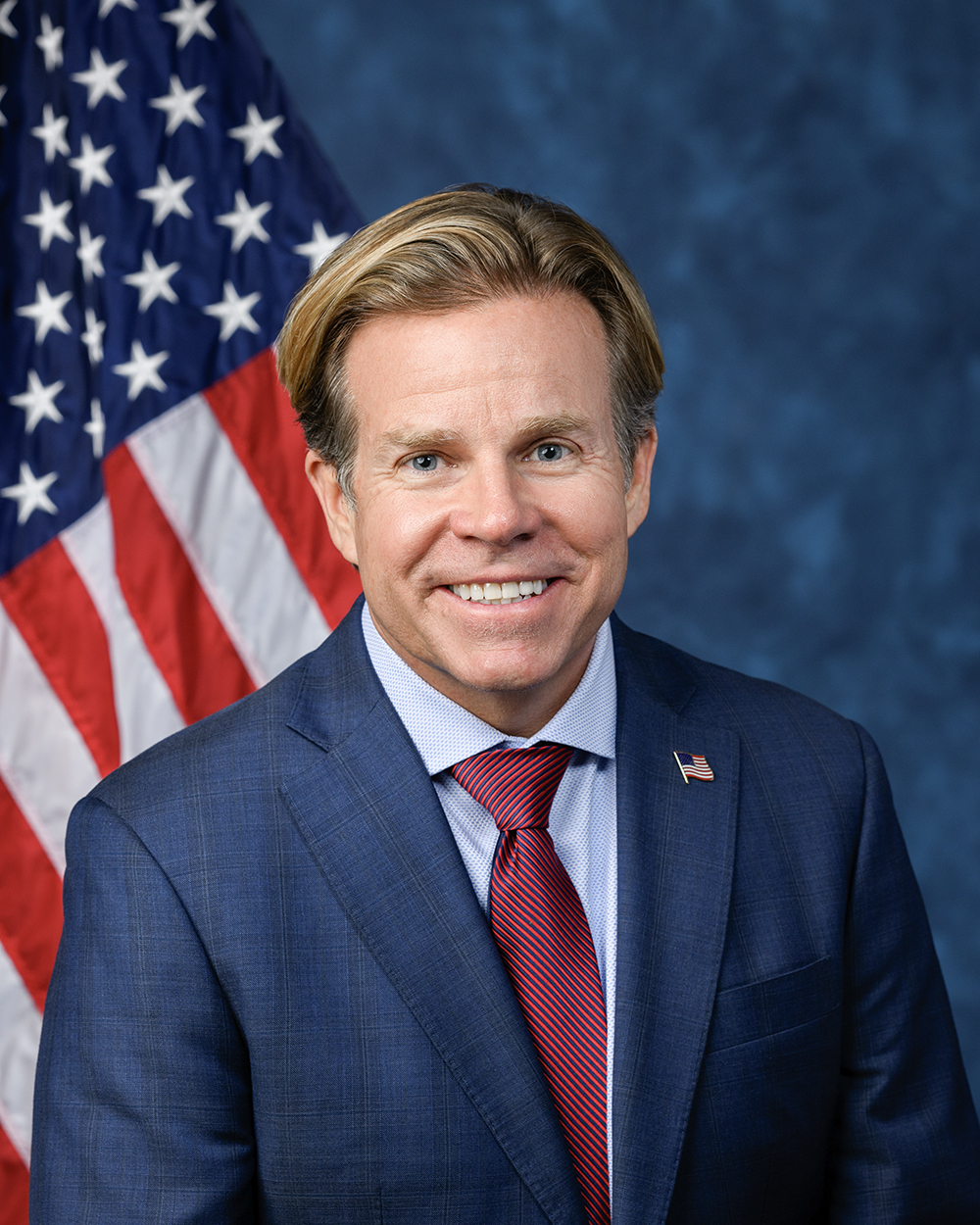
Rep. Mike Haridopolos
Sponsored bills
Maddy summaryThe WING Act of 2025 establishes a research program within the National Weather Service to address physical obstructions - like wind turbines and buildings - that block weather radar signals. The program requires testing technologies such as phased array radar, data replacement from commercial sources, and improved signal processing to maintain accurate storm detection and forecasting. It directly affects weather forecasting systems and communities relying on timely radar data for severe weather warnings. The initiative must report annually to Congress and conclude by September 2030, with a final recommendation due by 2030.
This joint resolution nullifies the final rule issued by the Consumer Financial Protection Bureau titled Overdraft Lending: Very Large Financial Institutions and published on December 30, 2024. The rule revises provisions regarding charges for insufficient funds in a customer’s bank account (i.e., overdrafts) at very large financial institutions. Under the rule, these institutions must (1) cap overdraft charges at $5; (2) with justification, cap charges at a higher amount; or (3) handle overdrafts as credit and comply with applicable Truth in Lending Act disclosure requirements.
Maddy summaryThis bill amends the tax code to permanently establish a 7-year depreciation period for motorsports entertainment complexes, replacing a temporary provision. It directly affects businesses operating these facilities by allowing them to deduct the cost of qualifying assets over seven years instead of a shorter period. The key change is removing a temporary rule (subparagraph D) from the tax code, making the longer recovery period permanent for these specific properties. The bill focuses solely on clarifying and extending this tax treatment without additional policy changes.
Maddy summaryThe Stop CCP VISAs Act of 2025 would prohibit U.S. visas for Chinese citizens seeking to study or conduct research in the United States. It specifically blocks the issuance of F-1 (academic student), J-1 (exchange visitor), and M-1 (vocational student) visas for these purposes. This bill directly affects Chinese nationals who otherwise qualify for these student visa categories at U.S. educational institutions. The policy change would amend immigration law to implement this visa ban.
Maddy summaryThe FOCA Act of 2025 prohibits federal agencies from requiring or banning contractors from using union agreements in construction project bids or contracts. It directly affects federal agencies, contractors, and subcontractors working on federally funded or assisted construction projects (like buildings or infrastructure). The law requires bid documents to not favor or penalize contractors based on whether they have union agreements, aiming to promote open competition and prevent discrimination. This changes how agencies structure bids but does not affect union agreements themselves. The bill applies to all new contracts and subcontracts after enactment, with limited exemptions only for public health/safety emergencies or national security.
Homes for Every Local Protector, Educator, and Responder Act of 2025 or the HELPER Act of 2025 This bill establishes a program administered by the Department of Housing and Urban Development to provide mortgage assistance to law enforcement officers, elementary and secondary school teachers, firefighters, or other first responders. Specifically, these individuals may be eligible for a first-time mortgage on a primary family residence with no down payment. Instead, the mortgage is subject to a one-time, up-front mortgage insurance premium.
Resident Education Deferred Interest Act or the REDI Act This bill allows borrowers in medical or dental internships or residency programs to defer student loan payments until the completion of their programs.
Maddy summaryThis bill changes how individual investors in mutual funds (regulated investment companies) are taxed on certain dividends. It allows investors to defer paying tax on capital gain dividends that are automatically reinvested in additional fund shares through a dividend reinvestment plan. The deferred tax is recognized later when the investor sells shares or upon their death. It also establishes that shares acquired through this reinvestment are treated as held for over one year from the start, potentially qualifying for long-term capital gains rates. The rule applies only to individual investors (not estates, trusts, or dependents claimed by others).
Maddy summaryThis bill protects three specific state programs that handle permits for dredged or fill material in waterways under the Clean Water Act. It prohibits the EPA from withdrawing approval of Michigan's, New Jersey's, and Florida's existing programs without new congressional authorization, preventing the EPA from revoking them through standard administrative processes. The bill also creates a 90-day transition period for Florida to continue issuing permits during a program review and allows other states to seek similar approval if their programs are deemed comparable. It does not change environmental standards but ensures these cooperative state-federal arrangements remain intact unless Congress acts.