

Maddy summaryThe Kidd's Stuttering Act requires Medicaid and CHIP to screen children aged 2-6 for stuttering and speech fluency during routine well-child visits starting January 1, 2027. It also mandates that Medicaid and CHIP cover specified speech therapy services for childhood stuttering (defined as "specified speech therapy services") with coverage rules no more restrictive than those for other speech disorders like language delays. The bill ensures these services include telehealth options and applies to all states administering Medicaid or CHIP. This directly affects children with stuttering who qualify for Medicaid or CHIP, aiming to improve early detection and access to treatment.
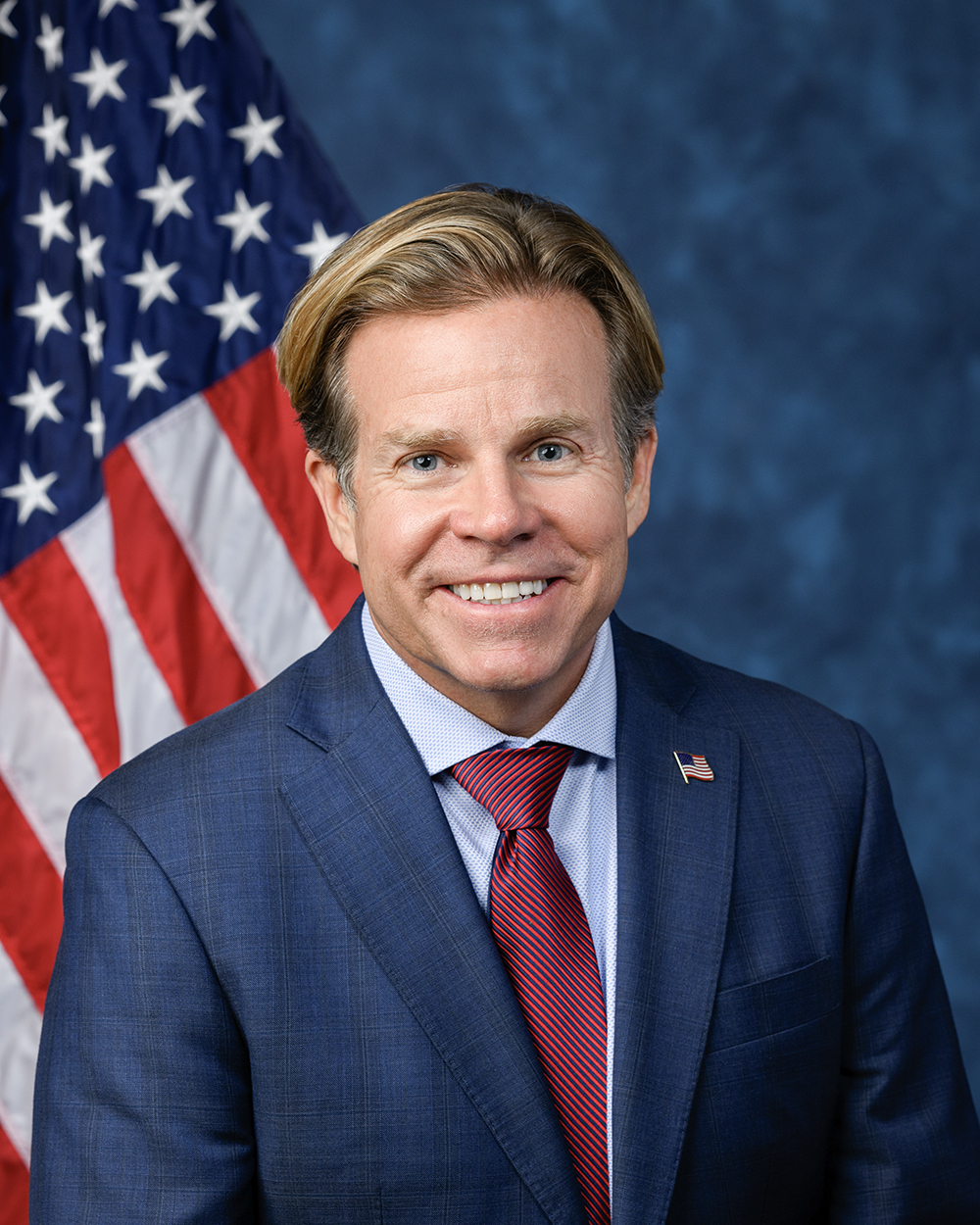
Rep. Mike Haridopolos
Sponsored bills
Maddy summaryThis bill (HR 6360) makes Executive Order 14363 ("Launching the Genesis Mission") legally binding, overriding any conflicting laws or executive orders. It does not create new programs or change existing policies - it simply ensures the executive order has the force of law. The bill directly affects how federal agencies implement the "Genesis Mission" initiative outlined in the executive order. This is a procedural bill with no substantive policy changes beyond affirming the executive order's legal status.
Give Kids a Chance Act of 2025 This bill expands the Food and Drug Administration’s (FDA’s) authority with respect to research on rare pediatric diseases, including by permitting the FDA to take enforcement action against drug sponsors that fail to satisfy pediatric study requirements and by reauthorizing programs that support pediatric research. Specifically, the bill modifies requirements relating to molecularly targeted pediatric cancer investigations to permit research on new drugs in combination with active ingredients that have already been approved, provided certain conditions are met; permits the FDA to take enforcement action against drug sponsors that fail to comply with pediatric study requirements, if such sponsors demonstrated a lack of due diligence in satisfying the requirement; renews the FDA’s authority to award priority review vouchers to sponsors of new products intended to treat rare pediatric diseases through September 30, 2029; and reauthorizes through FY2027 certain funding for the National Institutes of Health to support priority pediatric research. The bill also provides statutory authority for the FDA’s interpretation of the orphan drug exclusivity period. The bill specifies, consistent with FDA regulations, that the seven-year market exclusivity period for drugs for rare diseases or conditions (i.e., orphan drugs) prohibits the approval of the same drug for the same approved use or indication with respect to the disease or condition. (In Catalyst Pharmaceuticals, Inc. v. Becerra , a court rejected the FDA’s interpretation and held that orphan drug exclusivity extends to all uses or indications for the disease or condition.)
Maddy summaryHCONRES 58 is a symbolic congressional resolution denouncing socialism in all its forms. It does not create new laws or affect any policies, as it is a non-binding statement of opinion. The resolution cites historical events and quotes from Founding Fathers to argue that socialism leads to authoritarianism and economic harm, referencing examples like the Soviet Union and Venezuela. It formally "denounces" socialism and opposes implementing socialist policies in the U.S., but has no legal effect on citizens or government actions. This is a procedural resolution, not a policy measure.
Maddy summaryHR 5800, the SAFE Drivers Act, requires commercial driver's license (CDL) applicants and renewers to pass a standardized English proficiency test approved by the Federal Motor Carrier Safety Administration (FMCSA). The test assesses reading road signs, understanding emergency communications, and writing required documentation - critical for safety in commercial driving. States must administer the test through their DMVs, report pass rates annually to the FMCSA, and face potential federal funding cuts if they fail to comply. The law applies to all new CDL issuances or renewals starting 12 months after enactment, directly affecting commercial drivers seeking or maintaining their licenses.
Student Compensation and Opportunity through Rights and Endorsements Act or the SCORE Act This bill provides a framework for the compensation of student athletes for the use of their name, image, or likeness (NIL). This includes addressing certain elements of the court approved agreement to settle the In re College Athlete NIL Litigation (i.e., House settlement ). Specifically, the bill statutorily prohibits institutions, conferences, or interstate intercollegiate athletic associations (e.g., the National Collegiate Athletic Association (NCAA)) from restricting the ability of a student athlete to enter an NIL agreement. The bill also requires institutions of higher education that generate $20 million or more in annual revenue from the institution's intercollegiate athletics activities to (1) provide counseling and medical benefits to student athletes, and (2) establish and maintain at least 16 varsity sports teams. Further, the bill authorizes interstate intercollegiate athletic associations to establish rules with respect to athletic eligibility, transfers, recruitment, and the disclosure of NIL agreements. Under the bill, student athletes may not be considered employees of an institution, conference, or interstate intercollegiate athletic association. The bill also preempts state laws with respect to compensation, payments, benefits, employment status, eligibility, and academic standards applicable to student athletes. Compliance with the provisions of this bill is considered lawful under federal and state antitrust laws.
Maddy summaryHR 6167, the HEALTH Act of 2025, creates a new tax deduction for physicians providing unreimbursed charity care to patients enrolled in Medicaid (Title XIX) or CHIP (Title XXI) programs. The deduction equals the Medicare fee schedule amount for such care, but excludes services like sex reassignment surgeries and hormone treatments for gender transition. Additionally, the bill adds liability protection for physicians providing this charity care, shielding them from civil lawsuits for non-intentional harm during such services, and preempts conflicting state laws. This directly affects physicians who serve low-income patients through public health programs.
Maddy summaryThe Fisheries Data Modernization and Accuracy Act of 2025 reforms how recreational fishing data is collected and used by the National Marine Fisheries Service. It establishes a standing committee with the National Academies to advise on data collection methods, sets a 30% threshold for data reliability (percent standard error), and requires consultation when data falls below this level. States can develop their own data collection programs that may replace federal MRIP data when they meet specific standards, and the bill creates a grant program to help states improve their systems. The bill requires annual reports on implementation and data quality improvements, affecting recreational fishing management across all coastal states and federal fisheries agencies.
Maddy summaryHR 6068, the PROTECT Florida Act, extends the existing moratorium on oil and gas leasing and exploration in the Gulf of Mexico through 2032 and adds a new, permanent ban on these activities off Florida’s Atlantic coast. It directly affects federal agencies (like the Department of the Interior), which cannot issue permits for oil/gas exploration, seismic testing, or related activities in two specific zones: the Straits of Florida and the South Atlantic Planning Area south of Florida’s coastline. The bill blocks all leasing, preleasing, and exploration permits in these areas from enactment until June 30, 2032. This policy change prevents new offshore drilling and seismic surveys in Florida’s coastal waters, aiming to protect marine environments and coastal communities.
Maddy summaryHRES 858 is a resolution by the U.S. House of Representatives to impeach Chief Judge James E. Boasberg of the U.S. District Court for the District of Columbia. It alleges he abused his authority by issuing "frivolous" nondisclosure orders that prevented Members of Congress from being notified of legal process and covered conservative organizations and individuals. These orders, the resolution claims, violated constitutional protections for Congress and a federal law (2 U.S.C. § 6628) safeguarding Senate communications. The resolution would send the impeachment charge to the U.S. Senate for trial, seeking removal from office.