

Maddy summaryHR 6212, the PROTECT Florida Act, extends the existing moratorium on oil and gas leasing and exploration in the Gulf of Mexico until 2032 and adds a new ban on such activities off Florida's Atlantic coast until June 2029. The bill blocks federal permits for oil and gas exploration, leasing, and seismic testing in two specific areas: the Straits of Florida and the southern portion of the South Atlantic Planning Area south of Florida's coastline. These restrictions apply to all related activities, including preleasing and seismic testing, directly affecting federal agencies and companies seeking to conduct offshore drilling operations in those regions. The legislation aims to prevent new oil and gas development in Florida's coastal waters for the specified periods.
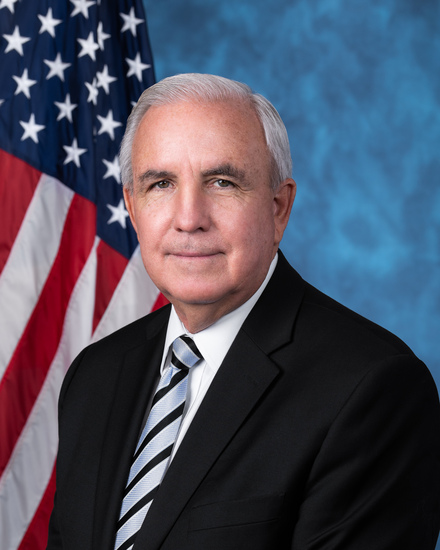
Rep. Carlos A. Gimenez
Sponsored bills
Maddy summaryThis bill creates a tax credit for video distributors (like cable or streaming companies) that carry content from independent programmers meeting specific criteria. Distributors earn a credit up to $0.30 per subscriber for new or expanded carriage agreements reaching at least 40% of subscribers, based on license fees paid to qualifying creators. The credit applies only to content from small, independent creators (not owned by large media companies, publicly traded firms, or networks). The FCC must submit biennial reports tracking how many independent programmers benefit from this policy, including average carriage duration.
This resolution commends the people of Ecuador, after recent elections, for their commitment to democracy, civil liberties, and economic prosperity. The resolution also urges the President to deepen bilateral ties between the two countries and to strengthen democracy, security, trade, rule of law, and broad-based economic well-being in the hemisphere.
Maddy summaryThis resolution (HRES 839) condemns antisemitism at U.S. colleges and universities and urges campus leaders to publicly oppose hate speech targeting Jewish students, faculty, and staff. It encourages university presidents, administrators, and faculty to speak out against speech that promotes violence or discrimination based on religion, national origin, or ancestry. The resolution specifically calls on institutions to support Jewish student organizations and ensure Jewish members can study and work without fear. As a non-binding resolution, it does not create new laws but expresses congressional support for addressing antisemitism on campuses.
Maddy summaryHRES 798 is a House resolution condemning support for Hamas, Hezbollah, and other terrorist organizations at colleges and universities. It states such support may create a hostile environment for Jewish students, faculty, and staff, citing incidents like blaming Israel for the October 7 Hamas attack. The resolution urges the Secretary of Education to direct the Office for Civil Rights to investigate and take action where appropriate. This non-binding resolution expresses the House's position but does not create new law or policy changes.
Maddy summaryHR 6201, the Iranian Sanctions Enforcement Act of 2023, creates the Iran Sanctions Enforcement Fund to cover costs related to seizing and forfeiting property from Iran or its designated proxies (like Hezbollah or the Revolutionary Guard Corps) that violate U.S. sanctions. The fund, initially $150 million, pays for investigative costs, property management, informant rewards, and equipment for federal, state, and local agencies involved in enforcement. It also establishes an Export Enforcement Coordination Center within Homeland Security to improve interagency cooperation on enforcing export controls targeting Iran. The bill requires annual reports on fund usage and mandates repayment of the initial $150 million by 2034, unless waived for national security reasons.
Maddy summaryThis bill denies U.S. green energy tax credits to companies connected to specific countries. It targets companies created in, controlled by, or owned by entities linked to China, Russia, Iran, or North Korea. The law amends the tax code to exclude these "disqualified companies" from claiming credits under sections covering solar, wind, and other clean energy investments. This directly affects U.S. businesses with ties to those nations seeking federal tax benefits for green energy projects.
Maddy summaryHR 2601, the National Human Trafficking Hotline Enhancement Act, requires organizations applying for federal grants under the Trafficking Victims Protection Act to certify they will share hotline information with state or local law enforcement upon request, while following disclosure laws. This directly affects grant applicants, such as anti-trafficking organizations operating the National Human Trafficking Hotline. The key mechanism adds a new certification requirement to grant eligibility, ensuring potential data sharing with law enforcement when appropriate. The bill also mandates a joint report from the Attorney General and DHS Secretary to Congress on how this requirement is implemented. The bill does not change the hotline's operations or victim services.
Maddy summaryThe REPAIR Act requires car manufacturers to provide vehicle owners and independent repair shops with free, unrestricted access to vehicle data and repair information. It bans manufacturers from using technological or legal barriers to block access to diagnostics, tools, or aftermarket parts, and prohibits mandating specific brands for repairs or restricting customers’ choice of repair facility. The law also prevents manufacturers from requiring waivers of these rights as a condition of purchase, lease, or warranty service. The Federal Trade Commission will enforce these provisions to ensure fair competition in vehicle repair.
Maddy summaryHR 662, the Block Grant Assistance Act of 2023, amends the Disaster Relief Supplemental Appropriations Act of 2023 to allow the Secretary of Agriculture to provide disaster loss assistance to eligible states and territories through block grants. This change permits states and territories to use the funds more flexibly for disaster recovery under the existing disaster relief framework, rather than requiring direct federal disbursement for specific losses. The bill directly affects states and territories experiencing disasters covered by the Disaster Relief Act. It modifies the current process by adding a specific provision enabling block grants as an option for distributing relief funds.