

Maddy summaryHR 825, the BOLIVAR Act, prohibits U.S. federal agencies from entering into contracts for goods or services with entities knowingly conducting significant business dealings with Venezuela's government under Nicolás Maduro, which the U.S. does not recognize as legitimate. The law directly affects U.S. government contractors and businesses operating in Venezuela, banning contracts with those engaging in commerce with the Maduro regime. Key exceptions include contracts for humanitarian aid, disaster relief, national security needs, U.S. diplomatic operations in Venezuela, and contracts with international organizations. The prohibition applies to contracts entered into within three years of the bill's enactment, with the Secretary of State required to notify Congress about exceptions used.
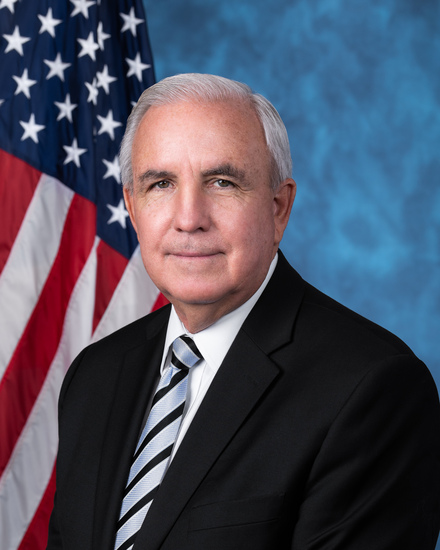
Rep. Carlos A. Gimenez
Sponsored bills
Maddy summaryThe Sunshine Protection Act of 2023 would end the practice of changing clocks twice a year for daylight saving time (DST) by making DST permanent nationwide, unless a state chooses to remain on standard time. It repeals the requirement to switch clocks back to standard time in the fall, directly affecting all U.S. states and territories that currently observe DST. The bill allows states that previously opted out of DST under the Uniform Time Act (like Arizona and Hawaii) to maintain their current time zone choices without further action. Key provisions include adjusting time zone offset language in existing law and granting states the authority to select either permanent DST or standard time based on their current arrangements. This change would eliminate seasonal time changes for most Americans, though states could still choose to stay on standard time if they prefer.
Maddy summaryThis bill requires parties in federal civil lawsuits to disclose any third parties (other than their lawyers) who could receive payment if the case succeeds, including the details of any agreements creating that contingent benefit. It directly affects all parties involved in civil cases, attorneys, and third parties with financial stakes tied to case outcomes. Key provisions mandate written disclosure to the court and all parties within 10 days of agreement or case filing, along with corrections if information becomes inaccurate. Exceptions apply for standard loan repayments (including interest rates within specified limits) and attorney fee reimbursements.
Maddy summaryThe Cyber PIVOTT Act creates the PIVOTT Program to build a cybersecurity workforce by providing full scholarships to students at community colleges and technical schools pursuing cyber or cyber-relevant associate's degree programs. The program covers tuition, fees, certification costs, and internship expenses, requiring participants to complete a two-year service obligation in a cyber role after graduation, with exceptions for military service. It mandates skills-based exercises like hackathons and labs, internship placements with government entities and critical infrastructure organizations, and maintains a database mapping training to job roles. The bill sets enrollment goals of 250 students in the first year, doubling annually until reaching 1,000 students, with a long-term target of 10,000 students annually. The program aims to address cybersecurity workforce gaps by creating direct pathways from education to government cyber positions.
Maddy summaryHR 3169, the Port Crane Security and Inspection Act of 2023, requires the Department of Homeland Security to inspect internet-connected foreign cranes deemed high-risk for security threats before they are used at U.S. ports. It mandates a threat assessment of existing and new cranes within 180 days of enactment and orders cranes posing security risks to be taken offline until certified safe. The bill prohibits operating new foreign cranes (from "covered foreign countries" like those identified as adversaries by U.S. intelligence) after enactment and bans the use of foreign software on port cranes after a 5-year deadline. This directly affects port operators and crane manufacturers from countries designated as security threats, focusing on securing port cyber infrastructure.
Maddy summaryHR 1719, the Honoring Our Fallen Heroes Act of 2023, establishes a presumption that certain cancers diagnosed in public safety officers (like police and firefighters) are work-related if linked to their duties. It defines 22 specific cancers (including lung, mesothelioma, and WTC-related cancers) as "exposure-related," allowing officers or their families to receive benefits without proving direct work connection, provided they were diagnosed within 15 years of leaving active service. The bill also creates a process for adding new cancers to the list based on scientific evidence, requiring the Bureau to review petitions and make decisions within 180 days. This applies to deaths or disabilities occurring on or after January 1, 2023, directly affecting officers who developed covered cancers during service.
Maddy summaryHR 3433, the "Give Kids a Chance Act of 2024," requires pharmaceutical companies developing certain cancer drugs to conduct pediatric studies if the drugs target molecular pathways relevant to childhood cancers. It directly affects drug manufacturers submitting new applications for cancer treatments, particularly those combining previously approved adult cancer drugs or containing a single new active ingredient. The bill amends FDA regulations to mandate these pediatric investigations only when specific conditions are met, such as when a drug's molecular target is relevant to pediatric cancer growth. The FDA must issue implementing guidance within 12 months, and reports to Congress will track implementation and effectiveness starting 2 years after enactment.
Maddy summaryThis bill restricts federal funding for jurisdictions that limit cooperation with federal immigration enforcement. It defines a "sanctuary jurisdiction" as any state or local government that prohibits sharing immigration status information or complying with federal detainer requests (except for crime victims/witnesses). Starting after enactment, such jurisdictions lose eligibility for federal funds intended to provide food, shelter, healthcare, legal services, or transportation to undocumented immigrants. The law directly affects cities and states with specific immigration policies, not the immigrants themselves.
Maddy summaryThis bill clarifies legal requirements for using "detection at range" technology (like advanced scanners) in airport passenger screening. It directly affects airport security procedures and the Transportation Security Administration (TSA) by modifying existing law to explicitly include civil rights, civil liberties, and privacy considerations. The key change adds "civil rights, civil liberties, and" before "privacy" in screening requirements and references a specific 2018 appropriations act. This is a procedural clarification, not a new policy, to ensure screening technology complies with privacy and civil rights standards.
Maddy summaryHR 9692, the STOP MADURO Act, authorizes a $100 million reward for information leading to the arrest and conviction of Venezuela's President Nicolás Maduro Moros. The reward would be funded exclusively by assets already frozen from Maduro and his regime under existing U.S. sanctions, including those from the Foreign Narcotics Kingpin Designation Act. The bill specifically targets Maduro based on U.S. criminal charges related to drug trafficking and narco-terrorism conspiracy. It modifies the State Department's rewards program without creating new sanctions or funding sources.