

Maddy summaryHR 1348 removes a deadline for the Secretary of Defense to decide on joint use of Homestead Air Reserve Base with civil aviation. It amends the National Defense Authorization Act for Fiscal Year 2023 by deleting the requirement that this decision be made by September 30, 2026. This change allows the Department of Defense to proceed without a fixed timeline for managing the base's dual military-civilian use. The bill does not alter the underlying policy on base operations but eliminates the specific deadline for the Secretary's action.
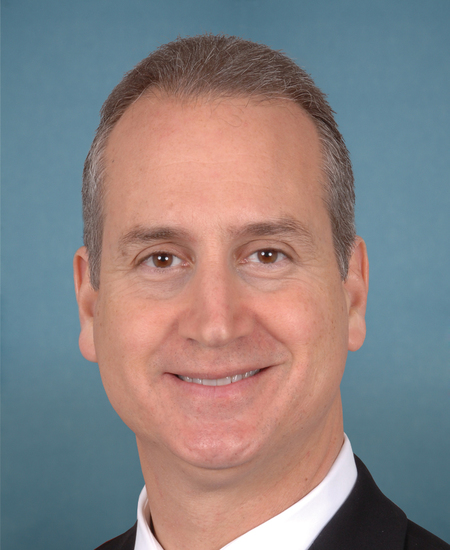
Rep. Mario Diaz-Balart
Sponsored bills
Maddy summaryThis bill requires student loan lenders to provide clear, plain-language disclosures to borrowers before loan disbursement and monthly throughout the loan term. Before disbursing a loan, lenders must give a written statement showing the loan's principal, interest rate, estimated repayment timeline, total projected cost (including fees), and how existing loans affect the borrower's total debt. Monthly statements must detail current balances, interest rates, payments made, interest accrued, and projections of future payments, including explanations of how interest capitalization increases long-term costs. These disclosures directly affect all borrowers of federal student loans and the lenders/servicers managing those loans, aiming to improve transparency about loan terms and costs.
Maddy summaryThe Military Spouse Hiring Act expands the Work Opportunity Tax Credit to include military spouses. Employers who hire a spouse of an active-duty military member - certified by a local agency as meeting eligibility requirements on the hiring date - can claim this tax credit. The credit reduces the employer's federal tax liability for hiring such individuals. This provision applies to new hires after the bill's enactment date.
Maddy summaryThis bill (HR 1239) renames a specific street segment in Washington, D.C., between 16th Street NW and Fuller Street NW to "Oswaldo Payá Way." It also redesignates the address 2630 16th Street NW as 2630 Oswaldo Payá Way for all official references. The bill is procedural, with no policy changes beyond the symbolic renaming to honor Cuban dissident Oswaldo Payá Sardiñas. The change affects District of Columbia street signage and official records referencing that location.
Maddy summaryHR 1008 adds harmful algal blooms to the list of qualifying events for federal disaster assistance under the Stafford Act, enabling affected communities to access emergency aid. It also requires the CDC to conduct a study on health effects from airborne toxins during blooms within one year of enactment, to be shared with relevant congressional committees. The bill establishes a framework for federal response but does not provide new funding or directly regulate pollution sources. It primarily affects coastal and lake communities where blooms threaten public health, tourism, and local economies through potential beach closures, fishing restrictions, and property value declines.
Maddy summaryThe DEMOCRACIA Act (HR 1120) imposes sanctions on foreign entities and individuals providing financial, material, or technological support to Cuba's military, security, or intelligence sectors, or who are responsible for human rights abuses in Cuba. It would block property of foreign persons engaging in these activities and deny visas to those determined to support Cuba's repressive sectors. The bill also requires the President to provide unrestricted internet service to Cuban citizens that is not censored by the Cuban government. These provisions target foreign entities supporting Cuba's authoritarian regime rather than directly affecting Cuban citizens. The bill aims to pressure the Cuban government to end human rights abuses and move toward democratic reforms.
Maddy summaryHR 970 imposes a 12-year moratorium (through June 2032) on energy development leases for oil, gas, and wind projects in specific Gulf of Mexico areas critical to military operations. It directly affects energy developers seeking permits in zones east of the Military Mission Line or areas identified in Defense reports as threatening military readiness. The bill prohibits leasing in these zones but allows exceptions for environmental conservation projects like wetlands restoration. It also requires the Department of Defense to submit reports by 2024 and 2031 detailing how energy development impacts military capabilities in designated Gulf planning areas. This policy change aims to protect military testing ranges by restricting commercial energy activities in sensitive waters.
Maddy summaryHR 583, the American Shores Protection Act of 2023, extends a moratorium on new offshore oil and gas leasing along the coasts of Florida, Georgia, and South Carolina until June 30, 2032. It specifically adds two new coastal planning areas (the South Atlantic and Straits of Florida) to the existing ban. The bill clarifies that existing leases remain unaffected and allows the Secretary to issue leases for environmental conservation purposes, including shore protection, beach restoration, wetlands restoration, and habitat protection. This directly affects energy companies seeking new offshore drilling permits in those coastal regions.
Maddy summaryHR 1088, the Shirley Chisholm Congressional Gold Medal Act, authorizes a posthumous Congressional Gold Medal to honor Congresswoman Shirley Chisholm, the first African-American woman elected to Congress (1968) and the first Black candidate for a major party's presidential nomination (1972). The bill directs the Treasury Secretary to design and strike a gold medal featuring Chisholm's image, which will be presented by Congress and then permanently displayed at the Smithsonian Institution. Duplicate bronze medals may be sold to the public to cover production costs, with proceeds deposited into the U.S. Mint fund. This bill commemorates Chisholm's legacy and achievements without creating new laws or affecting any current policies.
Prohibiting IRS Financial Surveillance Act This bill prohibits the Department of the Treasury from requiring a financial institution to report the transfers into and out of a financial account. This prohibition does not apply to laws or regulations in effect on January 1, 2023.