

Maddy summaryHRES 564 is a non-binding House resolution calling on the U.S. government to prioritize the return of Ukrainian children abducted by Russia before any peace agreement is finalized. It cites 19,546 confirmed reports of unlawful child deportations to Russia or occupied territories as of April 2025, noting only 1,274 have been returned. The resolution condemns Russia's actions as violations of the Geneva Convention and Genocide Convention, including forced adoptions and Russification policies. It urges that all abducted children be returned prior to concluding peace talks, emphasizing this as a necessary condition for a just resolution to the war. The resolution does not create new law but expresses congressional position on a key issue in U.S. diplomatic efforts.
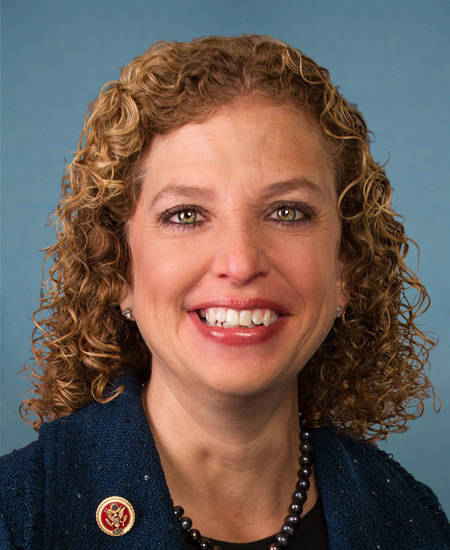
Rep. Debbie Wasserman Schultz
Sponsored bills
Maddy summaryThis resolution formally supports designating June 28, 2025, as "Community is Stronger than Cancer Day" to honor community support for cancer patients, survivors, and caregivers. It does not create new programs or allocate funds but encourages nationwide awareness and community action. The resolution highlights that over 18 million people live with a cancer history and emphasizes fostering compassionate communities to break down barriers to care. It specifically aims to celebrate inspiration, connection, and hope through existing community-based observances planned at 196 locations in 2025.
Maddy summaryHR 4244 prohibits Medicaid from covering conversion therapy, defined as any paid practice attempting to change a person's sexual orientation or gender identity. This applies to all Medicaid enrollees and providers starting in the first quarter after the law takes effect. The bill explicitly excludes supportive services like gender transition assistance or counseling focused on acceptance and coping. It directly affects Medicaid-funded healthcare providers who offer conversion therapy and enrollees who might otherwise access such services through Medicaid.
Maddy summaryThe AMMO Act (HR 4227) regulates ammunition sales by requiring background checks for all non-licensed buyers, limiting bulk purchases to 100 rounds of .50 caliber or 1,000 rounds of other calibers within a 5-day period, and mandating recordkeeping for dealers. It directly affects licensed ammunition dealers and individuals purchasing ammunition, requiring dealers to collect identification, written certifications, and maintain records for two years. The bill establishes penalties including fines up to $250,000 for dealers and up to 5 years in prison for false statements, and requires annual reporting on violations. Dealers must post signage about these restrictions and verify identities through government-issued photo IDs. The law will take effect 120 days after enactment.
Maddy summaryHR 4230, the Appropriations Compliance and Training Act, requires federal employees in high-level roles - including those at GS-11 or higher, political appointees, and Senior Executive Service positions - to complete annual training on federal appropriations law. The training must cover key topics like the Antideficiency Act, the Purpose Statute, proper fund usage, and penalties for violations, and must be approved by the Office of Management and Budget. Noncompliance results in loss of financial decision-making authority and IT access until training is completed, with agencies required to report compliance statistics annually and publish them publicly. This bill directly affects over 100,000 federal employees in covered positions by mandating standardized training to ensure proper handling of government funds.
Maddy summaryHRES 547 is a symbolic resolution recognizing June as National Caribbean American Heritage Month. It does not create new laws or directly affect any individuals or groups; instead, it encourages the public to observe the month through ceremonies and celebrations. The resolution affirms that Caribbean Americans' contributions are integral to U.S. history, progress, and cultural diversity. It supports the month's goals and highlights the community's longstanding role in American society, from historical figures like Alexander Hamilton to modern leaders like Kamala Harris. As a non-binding resolution, it has no legal effect but serves to honor this cultural observance.
Maddy summaryThis resolution (HRES 549) is a non-binding House measure expressing support for designating June 26 as "LGBTQI+ Equality Day." It commemorates three landmark Supreme Court rulings on June 26 (2003, 2013, and 2015) that ended criminalization of same-sex intimacy, struck down marriage discrimination, and established marriage equality. The resolution encourages public celebration of this day to honor these milestones and educate about ongoing discrimination faced by LGBTQI+ communities. It also acknowledges the need for future legislation to address discrimination in areas like employment, housing, and public accommodations. As a symbolic resolution, it does not create new legal requirements but formally recognizes these historical court decisions.
Maddy summaryThe CONNECT for Health Act of 2025 expands Medicare telehealth coverage by removing geographic restrictions that limited where patients could receive care, expanding the types of health care providers who can offer telehealth services, and eliminating the requirement for an in-person visit before receiving telemental health services. The bill includes specific provisions to support telehealth use for Native American health facilities, rural health clinics, and Federally Qualified Health Centers. It requires the Centers for Medicare & Medicaid Services to collect and publish data on telehealth usage and impacts, and to develop resources to improve accessibility for people with disabilities and limited English proficiency. Program integrity measures are added to monitor telehealth billing practices and prevent fraud while maintaining coverage for telehealth services during public health emergencies.
Maddy summaryHR 4169, the Preventing Crimes Against Veterans Act of 2025, creates a new federal crime for schemes to defraud veterans of their benefits. It adds Section 1352 to Title 18, making it illegal to knowingly execute or attempt to execute a scheme to defraud an individual of veterans' benefits or to obtain such benefits fraudulently for them. The law specifically defines "veterans' benefits" as any federal benefit for veterans, dependents, or survivors, and sets penalties of fines, up to 5 years in prison, or both. This directly affects veterans and their families by strengthening legal tools to prosecute fraudsters targeting their benefits.
Maddy summaryThe Equal Dignity for Married Taxpayers Act amends the Internal Revenue Code to replace gendered terms like "husband and wife" with gender-neutral language such as "married couple" or "spouses" throughout tax law. This bill affects all married couples filing federal taxes by making the tax code consistent for all married couples regardless of gender. It makes over 30 specific changes to tax code sections, including replacing "his spouse" with "the individual's spouse" and updating references to marital status. The bill does not alter tax rates, deductions, or credits - it only updates language to be more inclusive. This is a technical language update to ensure the tax code treats all married couples equally without gendered references.