

Maddy summaryThis bill, known as the Double the Wage for Overtime Act of 2026, aims to change how overtime pay is calculated for employees covered by the Fair Labor Standards Act. It directly affects workers who currently earn less than $23,660 annually, as it would require employers to pay them two times their regular hourly rate instead of one and a half times for hours worked beyond 40 in a week. The law takes effect 180 days after it is signed, ensuring a transition period before the new pay requirements begin. By raising the overtime multiplier, the legislation seeks to increase earnings for hourly workers who work extra hours.
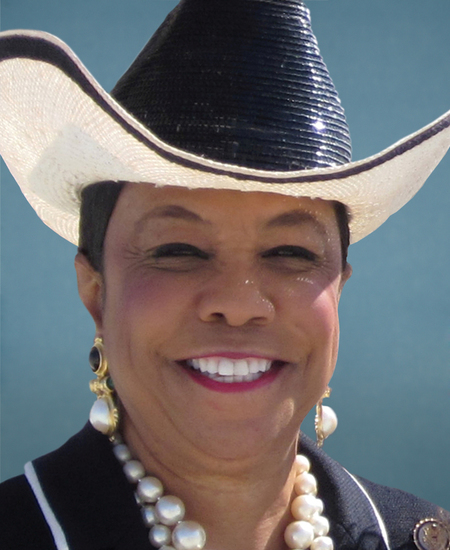
Rep. Frederica S. Wilson
Sponsored bills
Maddy summaryThe Southeastern Rail Technologies Mapping Act of 2026 directs the Federal Railroad Administration to study how to improve rail performance and integrate new power technologies in the southeastern United States. This study will examine rail segments between Florida and Washington, DC to identify areas suitable for electrification or battery and fuel cell systems while noting any implementation challenges. If certain segments are found unsuitable for these technologies, the report must explain the reasoning and suggest specific infrastructure updates with estimated costs to make them viable. The Administrator is required to submit the findings of this study to Congress within 18 months of the bill's enactment.
Maddy summaryThis resolution expresses support for designating June 5, 2026, as National Gun Violence Awareness Day and June 2026 as National Gun Violence Awareness Month. The bill calls on the public to wear orange on the designated day to honor victims and promote awareness of gun safety. It highlights statistics on gun-related deaths and injuries to underscore the need for community discussions on making neighborhoods safer.
Maddy summaryThis bill appropriates $3.5 billion to help Florida farmers and growers recover from the severe freeze that occurred in March 2026. The funds are distributed as block grants specifically to cover losses in crops, trees, bushes, and vines caused by the cold weather, including compensation for multi-year crops. Assistance is restricted to counties officially designated as disaster areas by the Secretary of Agriculture on March 4, 2026, and requires a request from a state agriculture department to release the money. The Secretary of Agriculture must also submit quarterly reports to Congress detailing how the funds are being used until the budget is exhausted.
Maddy summaryH.Con.Res. 107 is a non-binding resolution that formally recognizes the importance of reducing gun violence and strengthening public safety as the United States celebrates its 250th anniversary in 2026. The bill does not create new laws or change existing policies, but instead expresses Congress's commitment to these goals and honors the lives lost to gun violence. It acknowledges the efforts of community leaders, law enforcement, and advocates while calling for continued support of victim services and data collection initiatives.
Maddy summaryThe Celiac Safety Act of 2026 officially classifies gluten-containing grains as a major food allergen under federal law, directly impacting the food industry and individuals with celiac disease or gluten intolerance. This change requires manufacturers to label products containing wheat, rye, barley, or their crossbred hybrids with the same prominence as other major allergens like milk. The new labeling requirements will not take effect until 18 months after the law is enacted, giving businesses time to adjust their packaging and production processes.
Maddy summaryThis joint resolution seeks to officially reject a final rule issued by the Department of Education regarding federal student loan programs. If passed, the measure would prevent the new regulations from taking effect, leaving the previous rules in place. The bill directly impacts borrowers, lenders, and the Department of Education by nullifying the specific changes outlined in the "Reimagining and Improving Student Education" proposal. It is a procedural action that uses the Congressional Review Act to disapprove the agency's policy without altering the underlying law.
Maddy summaryThis resolution expresses the House of Representatives' desire to eliminate child poverty and establish a national target to guide future policy. It recognizes the significant drop in poverty during 2021 caused by expanded federal support, such as the Child Tax Credit, and calls for making these investments permanent. The document highlights disparities affecting Black, Hispanic, and immigrant children, as well as those living in U.S. territories, and advocates for increased federal spending on early childhood education and essential services like nutrition and housing. Ultimately, it encourages states and localities to adopt policies that align with these goals to ensure all children have access to basic necessities and educational opportunities.
Maddy summaryThe Worker Rights and Support Act amends the Fair Labor Standards Act to require employers to provide specific break times for employees, directly affecting workers covered under federal wage and hour laws. Under the new rules, employees must receive at least a 30-minute meal break for every six hours worked, along with a 10-minute break or time to use a restroom for every four hours, and up to 20-minute breaks for medical needs. While meal breaks can be unpaid if the employee is fully relieved of work, any break where the employee remains on duty or cannot leave the site must be paid at a rate of at least one and a half times their regular wage. The bill also allows employees to voluntarily waive meal breaks but prohibits employers from forcing them to do so, and it ensures that existing collective bargaining agreements or state laws offering better protections remain in effect.
Maddy summaryThe SCREEN for Type 1 Diabetes Act of 2026 directs the Centers for Disease Control and Prevention to launch a national public awareness campaign focused on type 1 diabetes detection, screening, and management. This initiative will provide written materials and public service announcements across various media platforms, including social media and television, while consulting with health organizations, schools, and community groups to ensure the content is culturally and linguistically appropriate. The bill authorizes $5 million annually from 2027 to 2031 to fund grants for nonprofit entities and state or local health departments to distribute these resources and increase screening access in communities with high incidence rates. Additionally, the law requires the Secretary of Health and Human Services to submit a report to Congress within one year detailing the campaign's activities and its impact on diabetes detection and management.