

Maddy summaryThe Workers POWER Act (HR 6634) strengthens federal labor enforcement by expanding staffing and resources for the Department of Labor's Wage and Hour Division and Occupational Safety and Health Administration (OSHA). It creates new paid student positions (5 in Washington, DC, plus 2 per regional office), establishes child labor fellowships (5 per agency), and increases student loan repayment benefits for eligible employees. The bill also authorizes performance-based bonuses, retention incentives, and $250 million annually in grants to states to improve their labor enforcement capacity. These changes directly affect Department of Labor enforcement staff and state/local labor agencies working to address wage theft, child labor, and workplace safety violations.
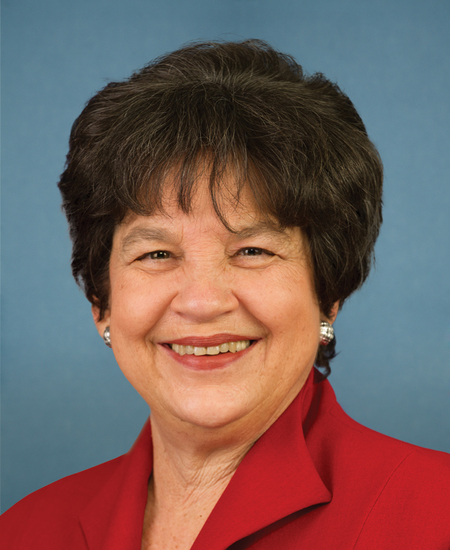
Rep. Lois Frankel
Sponsored bills
Maddy summaryThe Elizabeth Dole Home Care Act of 2023 increases the expenditure cap for home- and community-based care for veterans from 65% to 100% of costs, with exceptions for certain cases based on clinical need and geographic factors. It establishes new programs including Veteran-Directed Care, which allows veterans to select and manage their own in-home care services, and Home-Based Primary Care, which provides in-home health care overseen by VA providers. The bill requires improved coordination with existing programs like the Program of All-Inclusive Care for the Elderly (PACE) and mandates a centralized website with information about available services. It specifically targets veterans who would otherwise require nursing home care or face increased risk of hospitalization, and includes provisions to address home health aide shortages through pilot programs.
Maddy summaryHR 6592, the Fight Book Bans Act, provides federal grants to reimburse public school districts for legal costs when they choose to keep instructional or library materials after parental objections. It directly affects school districts (covered local educational agencies) that select materials for students and handle challenges to their removal. The bill authorizes up to $100,000 per case in grants to cover attorney fees and court costs, provided the district didn’t remove the materials and wasn’t reimbursed by the state. Funding of $15 million is authorized for fiscal years 2024-2028. The grants are strictly for legal challenges to decisions not to remove materials, not for the content of the materials themselves.
Maddy summaryThis bill (HR 6553) waives all costs for U.S. government-led evacuations of American citizens from Israel, Gaza, the West Bank, and nearby countries (like Cyprus) between October 7 and November 17, 2023. It directly affects U.S. citizens endangered by the Hamas-led attacks on October 7 and subsequent conflict. The key mechanism amends existing law to require the State Department to cover all expenses related to these evacuations through government-coordinated transport, eliminating repayment obligations for affected citizens. This policy change applies specifically to evacuations during that defined period following the October 7 attacks.
Maddy summaryThe REBATE Act (HR 6536) amends existing federal rebate programs to allow eligible local governments - such as cities or counties - to directly access funds for home energy efficiency upgrades, rather than requiring state energy offices to administer all rebates. It specifically expands the HOMES Rebate Program (for whole-house energy improvements) and the High-Efficiency Electric Home Rebate Program to include local governments in states where state offices have not established or plan to run these programs. Local governments must apply by December 31, 2024, and funds are distributed so that total allocations per state match amounts reserved for state energy offices. This change aims to increase access to rebates in communities currently underserved by state-level programs.
Maddy summaryThis bill reauthorizes the Never Again Education program, which funds Holocaust education initiatives in schools. It extends the program's funding authorization period from ending after four fiscal years to continuing annually through fiscal year 2030. The bill modifies the existing law (Public Law 116-141) by updating the funding timeline without changing program requirements or eligibility. It directly affects the existing grant program supporting educational materials and teacher training on the Holocaust. The change ensures continued federal funding for these specific educational efforts until 2030.
Maddy summaryHRES 793 is a resolution passed by the U.S. House of Representatives calling on Hamas to immediately release all 199 hostages taken during Hamas' October 7, 2023 attack on Israel. The resolution condemns Hamas for the attack, the taking of hostages, and threats against hostages, while stating that holding hostages violates international humanitarian law under the Geneva Conventions. It demands the immediate release of all hostages and expresses sympathy for victims and their families. As a symbolic resolution, it does not create legal obligations but formally expresses the House's position.
Maddy summaryThis bill establishes a two-year pilot program within the Department of Veterans Affairs (VA) to improve data collection and analysis of suicides and suicide attempts by veterans occurring on VA property (e.g., at medical centers or facilities). It creates a cross-departmental working group - including staff from mental health, health care, benefits, and cemetery offices - to conduct root cause analyses, interview families, and standardize data collection through updated reports and a unified management system. The program requires annual briefings to Congress on findings and mandates annual VA reports starting in 2025 to track trends and recommend prevention strategies. Additionally, it directs the Comptroller General to assess the VA’s suicide prevention efforts, including staffing, policies, and organizational structure.
Maddy summaryHR 6451, the Mental Health Justice Act of 2023, provides $250 million in federal grants to states, tribes, and localities to hire mental health professionals as first responders for specific emergencies. It directs these professionals to replace police in situations involving mental health crises, substance use, or intellectual/developmental disabilities - such as when a 911 caller describes a mental health emergency or a first responder identifies someone needing mental health support. The bill requires grantees to train responders in de-escalation techniques, link individuals to community-based services (not incarceration), and report on outcomes like reduced arrests or use of force. It also mandates data collection on demographics and prevents funneling people into institutional settings, with annual reports to Congress on program effectiveness.
Maddy summaryHCONRES 77 designates the week of November 13-19, 2023, as "National Caregiving Youth Week" to raise public awareness about children and adolescents under 18 who provide primary or secondary care for family members with health conditions like chronic illness, disability, or aging. It recognizes these young caregivers as an underserved group facing challenges balancing care duties with school, mental health, and well-being. The resolution encourages educators, health professionals, and policymakers to acknowledge their contributions and supports new federal research to better understand their needs. As a symbolic gesture, it does not create new laws, funding, or services but aims to foster national recognition of this population.