

Maddy summaryThis bill, titled the No Presidential Self-Serving Lawsuits Act of 2026, prevents the current or former President of the United States from filing civil lawsuits against the federal government. It specifically invalidates an existing settlement agreement between a former President and the Internal Revenue Service and bars the use of federal funds to create compensation for such lawsuits. Additionally, the legislation authorizes the Treasury Secretary to recover any money already spent in violation of these new restrictions. The primary goal is to stop a President from using taxpayer money to settle legal disputes with the government they lead.
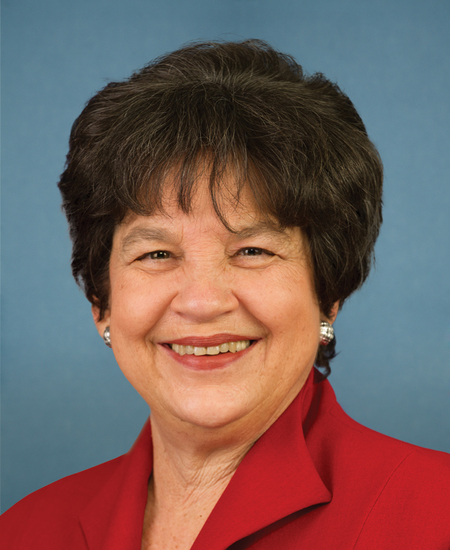
Rep. Lois Frankel
Sponsored bills
Maddy summaryThe Smithsonian American Women’s History Museum Act authorizes the creation of a new Smithsonian museum dedicated to women’s history, to be located within the National Mall Reserve in Washington, D.C. If the site is managed by another federal agency, the bill requires that agency to transfer the land after notifying Congress and relevant committees. The museum must ensure exhibits and programs accurately represent diverse women’s experiences by consulting a broad range of experts and community voices. The Smithsonian will submit biennial reports to Congress detailing how the museum meets these representation standards.
Maddy summaryThe No Taxpayer-Funded Settlement Slush Funds Act of 2026 prohibits the use of federal money to pay specific settlements involving high-ranking government officials and their close associates. It bars payments to the President, Vice President, their immediate families, cabinet members, senior executive staff, political appointees, and individuals connected to these roles, as well as any entity owned by the President or Vice President. Additionally, the bill restricts settlements related to claims about the January 6 Capitol attack, foreign election interference, or previously dismissed lawsuits, while requiring Treasury reports for large settlements and allowing the government to seek repayment if rules are broken.
Maddy summaryHR 3183, the SAFE STEPS for Veterans Act of 2025, establishes a new Office of Falls Prevention within the Department of Veterans Affairs (VA) to coordinate and improve falls prevention efforts for veterans. The bill mandates that VA healthcare facilities conduct annual falls risk assessments and provide fall prevention services by licensed physical or occupational therapists for veterans at risk, and requires biennial staff training on safe patient handling techniques. It also creates a pilot program to test home modifications for fall prevention and directs the VA to report on current falls prevention practices, including screening methods, home modification grants, and medication management risks. This legislation directly affects veterans at risk of falls, VA healthcare facilities, and providers delivering care under VA programs.
Dental Care for Veterans Act This bill expands eligibility for veterans for dental care provided by the Department of Veterans Affairs (VA). Specifically, the bill makes all veterans who are enrolled in the VA health care system eligible for VA-provided dental services. Currently, only veterans who have a service-connected dental issue or meet other narrow criteria are eligible for certain dental services. The bill phases in eligibility over four years based upon existing eligibility, degree of service-connected disability or other disability, prisoner of war status, award of a Purple Heart, financial need, or VA health care eligibility.
Maddy summaryThis bill creates a new federal tax on money received by former U.S. presidents, their immediate family members, or their controlled businesses from civil lawsuits against the government. Under the law, any settlement or verdict awarded to these individuals would be subject to a 100 percent tax, and the payments would not be counted as taxable income for other purposes. To enforce this, the bill requires trustees and administrators to file public reports detailing these payments and imposes a $10,000 penalty for failing to do so. These rules would apply to any funds received on or after May 20, 2026.
Maddy summaryThis non-binding resolution expresses the House of Representatives' view that the FDA should regulate mifepristone, a medication used for abortion, based on scientific evidence rather than political pressure. It highlights over 25 years of data showing the drug is safe and effective when prescribed via telemedicine or dispensed by mail and pharmacy. The bill advocates for policies that ensure equitable access to this care, particularly for marginalized communities facing barriers due to state-level restrictions. By citing numerous studies and medical organizations, the resolution calls for transparent, science-based decisions to maintain current access methods.
Maddy summaryThe Protecting Our Democracy Act is a comprehensive legislative bill designed to prevent abuses of presidential power, restore checks and balances, and defend elections against foreign interference. Key provisions include prohibiting the President from granting self-pardons, requiring congressional oversight for pardons involving the President or their family, and banning the President from accepting payments from individuals who have received clemency. The bill also strengthens enforcement of the Hatch Act and ethics rules for political appointees, mandates greater transparency in presidential tax returns and campaign finances, and restricts the use of federal property for political conventions. Additionally, it expands reporting requirements for foreign contacts in federal campaigns and imposes stricter penalties for violations of election laws.
Maddy summaryThe FORTIFY Act allows defense equipment and services to move freely between Estonia, Latvia, and Lithuania without needing special permission from the U.S. President. This change removes previous legal barriers that required U.S. approval whenever one Baltic nation shared military supplies with another. Additionally, the bill directs the U.S. Department of Defense to set up a shared digital system so these countries can easily coordinate and share ammunition for training and operations. The legislation aims to strengthen regional security by making it easier for Baltic allies to support each other militarily.
Maddy summaryThis bill creates a national resource center to support survivors of domestic violence and sexual assault who belong to faith-based communities. It authorizes $2 million annually from 2027 to 2031 to fund grants for groups that provide training and technical assistance to religious leaders, service providers, and law enforcement. The program focuses on helping these stakeholders recognize spiritual abuse, respect cultural and religious needs like dietary accommodations, and address barriers such as religious divorce denial. To ensure accountability, the bill requires that all funded organizations prioritize victim safety over family privacy or religious doctrines that might otherwise restrict a survivor's exit from an abusive marriage.