

Maddy summaryHR 3368, the "Born in the USA Act of 2025," prohibits federal funding for Executive Order 14160 (which aimed to restrict birthright citizenship for children born in the U.S.). The bill directly affects federal agencies that might implement the executive order by blocking their use of funds for that purpose. Its key provision is a funding ban targeting the executive order and any similar future policies, without changing citizenship law. The bill does not alter birthright citizenship rights but prevents federal resources from being used to enforce the controversial executive order. It is a procedural measure focused on funding, not a substantive policy change to citizenship rules.
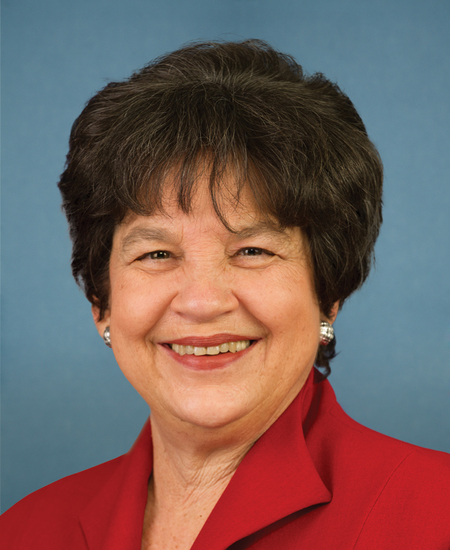
Rep. Lois Frankel
Sponsored bills
Maddy summaryThis bill prohibits businesses from charging different prices for substantially similar consumer products or services based on the gender they're marketed to, such as charging more for women's razors or grooming services compared to identical men's versions. It defines "substantially similar" as having no meaningful differences in materials, use, or design (excluding minor color variations), and makes violations enforceable by the Federal Trade Commission (FTC) under existing laws. State attorneys general can also sue businesses for violations to stop the pricing difference or recover damages for affected residents. The law directly affects consumers who face gender-based price discrimination and businesses selling comparable products or services.
Maddy summaryThis bill amends the Fair Labor Standards Act to prohibit children under 18 from having direct contact with tobacco plants or dried tobacco leaves on farms. It directly affects minors who might work on tobacco farms and tobacco farm employers who currently allow such employment. The key change adds tobacco farming to the list of occupations where children under 18 cannot work, closing a loophole that previously permitted this activity. This update explicitly excludes tobacco-related agriculture from exceptions allowing minors in certain farm jobs under federal law.
Maddy summaryHR 3277, the Ensuring Lasting Smiles Act, requires group health plans and health insurance issuers to cover medically necessary outpatient and inpatient treatments for congenital anomalies or birth defects primarily affecting the eyes, ears, teeth, mouth, or jaw. This includes reconstructive procedures, dental/orthodontic support during treatment, and follow-up care, but excludes purely cosmetic surgery not tied to a medical diagnosis. Cost-sharing (like copays) for these services must not be stricter than for other medical benefits. The law takes effect for plan years beginning January 1, 2026, and mandates insurers to provide notice about this coverage to beneficiaries.
Maddy summaryHR 3310, the Venezuela TPS Act of 2025, designates Venezuela for Temporary Protected Status (TPS), allowing Venezuelan nationals already in the U.S. to remain legally for 18 months. It directly affects Venezuelans who have continuously resided in the U.S. since the bill's enactment, require registration with Homeland Security, and meet admissibility criteria. Key provisions include a $360 application fee (with waiver options), requirements for continuous presence since enactment, and rules for emergency travel abroad with prior approval. The bill creates a temporary legal status to protect Venezuelans from deportation due to ongoing instability in their home country.
Maddy summaryThis bill prohibits the Department of Veterans Affairs (VA) from sharing veterans' personal data - including health, financial, and identifying information - with the U.S. DOGE Service (Department of Government Efficiency). It bans any special government employee from accessing or using veteran data for commercial purposes or non-governmental reasons, requiring them to return all data upon termination. The law specifically protects sensitive information like medical records, Social Security numbers, and biometric data from unauthorized use or retention. It directly affects VA data-sharing practices and ensures veteran privacy by restricting access to their personal information.
Maddy summaryHR 3243, the Therapeutic Fraud Prevention Act of 2025, bans the provision of paid conversion therapy aimed at changing a person's sexual orientation or gender identity, and prohibits advertising such therapy as effective, safe, or without risk. It directly affects LGBTQ+ individuals and their families who might be targeted by these practices, as professionals have determined conversion therapy is ineffective and harmful. The law treats violations as deceptive acts under consumer protection laws, empowering the Federal Trade Commission and state attorneys general to enforce it through civil actions. It explicitly excludes legitimate gender transition support and non-discriminatory counseling from the ban.
Maddy summaryThe Law Enforcement Officers Equity Act expands federal retirement benefits to include specific non-traditional law enforcement roles, such as IRS tax collection officers, U.S. Postal Inspection Service employees, Department of Veterans Affairs police, and certain U.S. Customs and Border Protection seized property specialists. It directly affects current and future federal workers in these positions who were previously excluded from law enforcement retirement benefits under the Federal Employees Retirement System and Civil Service Retirement System. The bill allows current employees (incumbents) to elect to count prior service toward retirement by paying a deposit covering the difference in retirement contributions, with government contributions made over 10 years. It also temporarily exempts law enforcement officers from mandatory separation for three years after enactment.
Maddy summaryHR 3218, the Reproductive Data Privacy and Protection Act, requires law enforcement and government agencies to swear under oath that they will not use reproductive or sexual health information in investigations or legal proceedings. It amends federal wiretap laws (18 U.S.C. § 2518) and communication disclosure rules (18 U.S.C. § 2703) to mandate this protection. The bill defines "reproductive or sexual health information" broadly to include details about abortion, contraception, IVF, pregnancy, sexual health conditions, and related medical services. This directly affects law enforcement, courts, and service providers by legally restricting how sensitive health data can be used in investigations. The law aims to prevent government use of such data to target individuals seeking or providing reproductive care.
Maddy summaryHRES 372 is a symbolic resolution designating May as "National Menstrual Health Awareness Month" to address stigma around menstruation. It does not create new laws but formally recognizes how menstrual stigma impacts women, girls, and people who menstruate in areas like education, health, and daily life. The resolution supports efforts to normalize menstruation, improve access to menstrual products and sanitation facilities, and promote research on menstrual health conditions. It urges awareness and education to advance gender equity but has no legal force or direct policy changes.