Maddy summaryThis bill raises the mandatory minimum prison sentence for trafficking minors under 18 from the previous term to **not less than 25 years or life imprisonment** under federal law (18 U.S.C. § 1591). It directly affects individuals convicted of trafficking children, increasing penalties for this specific offense. The key mechanism is amending the existing sentencing provision to eliminate lower minimums and mandate these severe penalties. The bill focuses solely on strengthening criminal penalties for child trafficking, with no new funding or program requirements.
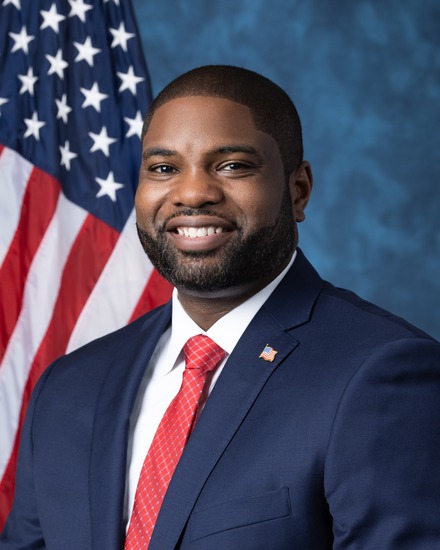
Rep. Byron Donalds
Sponsored bills
Maddy summaryHR 1435, the Preserving Choice in Vehicle Purchases Act, amends the Clean Air Act to restrict states from implementing vehicle emissions rules that limit the sale or use of new gasoline-powered cars. It directly affects states with stricter emissions standards (like California) by adding a new definition that blocks state rules "directly or indirectly" limiting internal combustion engine vehicles as defined in federal regulations as of January 1, 2023. The bill requires the EPA to revoke existing state emissions waivers granted between January 2022 and the bill’s enactment if they don’t comply with this new definition. This creates a concrete federal standard preventing states from advancing policies that could reduce demand for conventional vehicles.
Maddy summaryHR 5465, the Congressional Access to Bureaucratic Offices Act (CABO Act), requires federal agency heads to allow Members of Congress and their staff access to agency headquarters buildings during regular business hours. It mandates that access be granted upon presentation of valid congressional identification (for Members) or a staff badge while accompanied by the employing Member (for staff), with exceptions for areas requiring secret-level security clearance. The bill also ensures this access applies during declared emergencies (like national emergencies under the National Emergencies Act or public health emergencies), without imposing additional costs by using existing agency funds. This directly affects how federal agencies manage physical access for congressional personnel.
Maddy summaryHR 5411 blocks the Department of Energy from finalizing, implementing, or enforcing a proposed energy efficiency rule for residential clothes washers. The bill specifically targets the "Energy Conservation Program: Energy Conservation Standards for Residential Clothes Washers" rule (proposed in March 2023). This legislation prevents the rule from moving forward, meaning manufacturers would not be required to meet the new efficiency standards for clothes washers under this specific regulation. The bill directly affects the Department of Energy's regulatory process for appliance energy standards.
Maddy summaryHR 5498 prohibits the use of federal funds to provide shelter or housing on U.S. military bases (in any state or D.C.) for non-admitted immigrants - those not formally admitted to the U.S. under immigration law. The bill directly affects military installations, federal agencies managing housing funds, and immigrants classified as "non-admitted" under U.S. immigration law. Its key mechanism bans federal funding for such housing under any applicable federal, state, or local law, though it does not restrict the provision of housing itself. The policy change is limited to funding restrictions, not immigration status or base access.
Maddy summaryHRES 682 is a symbolic resolution designating the week beginning September 11, 2023, as "National Hispanic-Serving Institutions Week." It does not create new programs or funding but formally recognizes Hispanic-Serving Institutions (HSIs) for their role in educating Hispanic students and underserved communities. The resolution calls for the public to observe the week with ceremonies during Hispanic Heritage Month, highlighting HSIs' contributions to higher education access and economic mobility. This resolution affects no specific entities or policies, as it is purely commemorative.
Maddy summaryHR 5448, the Countering CCP Fentanyl Trafficking Act, requires the President to identify and sanction Chinese government officials who knowingly assist Mexican drug cartels with fentanyl production or trafficking. The bill mandates the President to submit a public list of these officials within 60 days of enactment, updating it annually for 10 years. Sanctions include blocking U.S. assets of listed individuals and denying them visas or entry into the United States. The law includes limited exemptions for UN-related activities and national security operations, and expires after 10 years.
Maddy summaryHR 3152, the "Fight CRIME Act," aims to maintain international restrictions on Iran's missile-related activities by requiring diplomatic efforts to extend these restrictions before they expire in October 2023. The bill mandates annual reports detailing U.S. diplomatic strategies, potential impacts of expiration, and measures to deter missile technology transfers to Iran. It establishes sanctions against foreign individuals or entities that knowingly support Iran's missile or drone programs, including asset freezes and visa restrictions. These sanctions apply regardless of whether UN restrictions remain in effect after their expiration, directly affecting foreign entities involved in these activities.
Safeguarding Endangered Children, Unaccompanied and at Risk of Exploitation Act of 2023 or SECURE Act of 2023 This bill requires regular reports to Congress detailing the status of unaccompanied non-U.S. national ( alien under federal law) children. The bill also rescinds certain funding for the agencies responsible for the report for each day that a report is late. Specifically, the Department of Health and Human Services (HHS), the Department of Homeland Security (DHS), and the Federal Bureau of Investigation must jointly report to Congress every 60 days on such children that have been in the custody of the Office of Refugee Resettlement (ORR) since January 1, 2021, and have been released to a parent, family member, or sponsor within the United States. This report must provide each child’s age, sex, location, and detail the child’s health and well-being. Additionally, the report must provide specified information about adults living in the child’s home, such as whether adults in the home have been subject to a fingerprint-based check of national crime information databases. The report must also specify the number of children that ORR has tried to contact without success on at least three separate attempts. The report must be provided for up to three years or until all of the specified children have been accounted for. The bill also rescinds certain funding from HHS, DHS, and the FBI for each day that a report is late. Up to $10 million may be rescinded from each agency for each fiscal year.

Maddy summaryThis resolution supports designating September 22 as "National Military and Veterans Suicide Awareness Day" to raise public awareness about suicide prevention among active-duty service members and veterans. It does not create new policies or funding but aims to highlight mental health challenges like PTSD and depression that contribute to higher suicide rates in these communities. The resolution emphasizes reducing stigma and encouraging help-seeking during Suicide Prevention Awareness Month (September). It directly affects military personnel, veterans, and the public by promoting national attention to this issue through a designated awareness day.