

Maddy summaryHRES 1561 is a symbolic House resolution introduced by 11 Republican representatives on November 1, 2024, condemning President Biden's October 29, 2024, remark calling Trump supporters "garbage." The resolution states the House "condemns" this specific comment but does not create any new laws or affect any individuals or policies. It serves solely as a formal expression of disapproval from the House members who signed it. As a procedural resolution, it has no legal effect or practical impact on government operations or constituents.
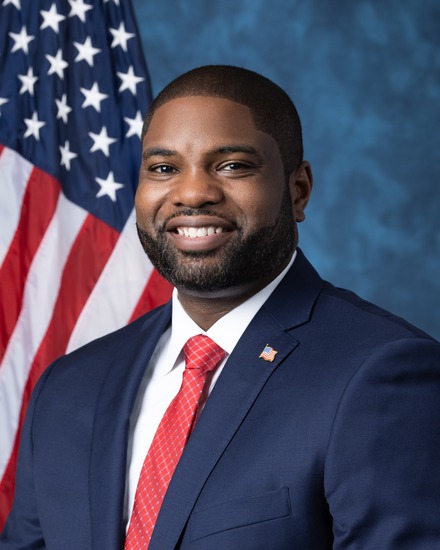
Rep. Byron Donalds
Sponsored bills
Maddy summaryThe GARD Act updates rules for federal employees and candidates for federal office (including President, Vice President, and Congress) who receive foreign gifts or decorations. It requires detailed reporting of gift value, location, and final disposition (e.g., retained, transferred, or donated), with a new May 15 filing deadline instead of January 31. Agencies must impose a $200 late fee for overdue submissions (with waiver options for good cause) and make all reports publicly accessible online within 120 days of enactment. These changes aim to increase transparency around foreign gifts while expanding reporting obligations to include candidates and gifts from "countries of concern" designated by the State Department.
Maddy summaryHR 4587, the Red Snapper Act, prevents the National Oceanic and Atmospheric Administration (NOAA) from implementing fishing area closures in the South Atlantic for red snapper until two data requirements are met. Specifically, NOAA cannot issue rules with area closures until the South Atlantic Great Red Snapper Count study is complete and its data is integrated into the official stock assessment. This bill directly affects NOAA’s rulemaking authority and recreational and commercial fishermen in the South Atlantic region who rely on red snapper fishing. The legislation aims to ensure management decisions are based on the latest scientific data before restricting fishing areas.
Maddy summaryHR 10010, the Protect American Fisheries Act of 2024, amends the Magnuson-Stevens Act to address economic harm to U.S. fisheries. It adds "economic cause" to the definition of fishery disasters, specifically when foreign activities distort markets, disrupt sustainable harvesting, or threaten the economic viability of U.S. fisheries. The bill defines "foreign person" broadly to include foreign governments, companies, and U.S. entities controlled by foreign interests, and requires documentation of foreign activities like illegal fishing, predatory pricing, or harmful subsidies when declaring a disaster. This change directly affects U.S. fishing communities and industries by expanding the criteria for federal disaster assistance to include economic impacts from foreign actors.
Maddy summaryThis bill terminates all federal funding for FEMA's Shelter and Services Program effective upon enactment. It prohibits new appropriations for this program or any similar successor program. Any remaining funds from the program as of the enactment date will be transferred to support disaster relief efforts under the Robert T. Stafford Disaster Relief Act. The change directly affects FEMA's budget operations but redirects existing resources to broader disaster assistance.
Maddy summaryThis bill creates a federal tax credit for individuals who contribute to scholarship granting organizations (SGOs) that provide scholarships for elementary and secondary education. Taxpayers can claim a credit equal to up to 10% of their adjusted gross income or $5,000 (whichever is less) for contributions to SGOs that provide scholarships for students from households earning no more than 300% of the area median income. Scholarships can cover tuition, educational materials, tutoring, testing fees, and educational therapies, with SGOs required to verify income, undergo independent audits, and meet strict distribution rules. The program would operate with a $5 billion annual cap from 2025-2028, prohibit government control over SGOs or private/religious schools, and prevent discrimination based on religious affiliation.
Maddy summaryThe Abundant American Resources Act of 2024 requires federal agencies to conduct studies on the economic value of minerals in specific public lands and waters. The Bureau of Land Management, Forest Service, and Bureau of Ocean Energy Management must each complete a study within three years to estimate the dollar value of minerals like oil, gas, and metals in designated onshore and offshore areas. These studies exclude National Parks and certain pre-2000 national monuments but include co-managed areas and lands withdrawn from mining or leasing. The bill does not authorize new resource extraction or change existing laws - it only mandates data collection for future policy decisions.
Maddy summaryHR 9821, the Forage Fish Conservation Act of 2024, amends the Magnuson-Stevens Fishery Conservation Act to establish a national definition for "forage fish" (small, schooling species like herring that support marine predators) and require fisheries management to protect their ecological role. It mandates that fishery councils assess annual catch limits based on the dietary needs of predators (such as tuna and marine mammals) and develop management plans for unmanaged forage fish species. The bill specifically directs immediate action to include river herring and shad in Atlantic fisheries management plans within 180 days. Implementation timelines include a 12-month definition deadline and 5-year phase-in for catch limit adjustments.
Maddy summaryThis bill removes legal immunity for vaccine manufacturers by allowing individuals injured by vaccines to sue them directly in court after filing a claim with the federal vaccine injury compensation program (VICP). It eliminates time limits for filing VICP claims (previously 24-36 months) and explicitly excludes COVID-19 vaccines from the program's coverage. The changes affect people seeking compensation for vaccine injuries and vaccine manufacturers, who will no longer automatically avoid lawsuits. The bill also repeals provisions that previously restricted legal action after VICP claims.
Maddy summaryHR 5509, the Electronic Permitting Modernization Act, requires the U.S. Department of the Interior to create modern online systems for processing permits and related paperwork. It mandates a centralized public website with easy navigation links to all electronic permitting systems and contact information for DOI staff assisting state, tribal, and local governments. The bill aims to reduce paper use, improve service efficiency, and increase public access to permitting information. The Secretary must also provide regular updates to congressional committees on implementation progress.