

Maddy summaryThe Appraisal Industry Improvement Act establishes new requirements for appraisers working on properties with FHA-insured mortgages. It requires appraisers to be certified or licensed in the state where the property is located (with some federal employee exceptions), meet competency standards, and complete specific education about FHA requirements. The bill creates a new "State credentialed trainee appraiser" category to help develop the industry workforce and provides grants for training and recruitment. It also establishes annual registry fees for appraisal management companies to support oversight and standardization.
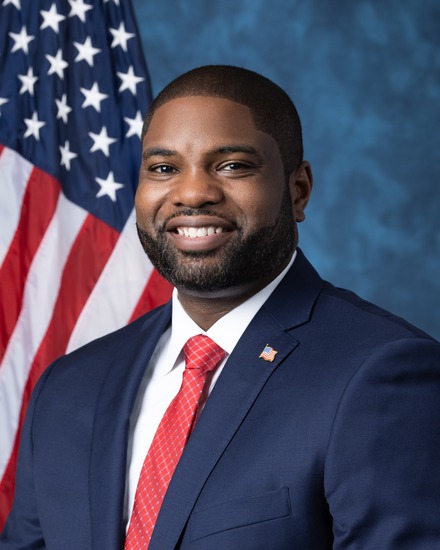
Rep. Byron Donalds
Sponsored bills
Maddy summaryHR 6035, the Second Amendment Restoration Act of 2025, would repeal specific firearm-related provisions from the Bipartisan Safer Communities Act (2022), including rules on background checks and gun sales, and restore federal gun laws as they existed before that law was enacted. It also reverses an education-related provision affecting school safety grants under the Elementary and Secondary Education Act. The bill directly affects federal regulations governing gun ownership and school safety funding by reverting to pre-2022 legal standards. It does not create new gun laws but undoes specific changes made by the 2022 law.
Maddy summaryHRES 866 is a non-binding House resolution condemning the systematic persecution of Christians in Nigeria by groups like Boko Haram and Fulani militants, and criticizing Nigeria's government for failing to protect Christian communities or acknowledge the violence. It calls on the U.S. government to support President Trump in using diplomatic, economic, and security tools to pressure Nigeria to end impunity for attacks, protect Christians, return displaced persons, and repeal blasphemy laws. The resolution specifically demands action against religiously motivated violence, including the release of those imprisoned for their faith, and urges coordination with international partners for humanitarian aid. It does not create new laws but expresses congressional support for U.S. policy actions targeting Nigeria's religious freedom violations.
Maddy summaryHR 5968, the Promoting Classical Learning Act of 2025, requires military service academies to accept scores from the Classic Learning Test (CLT) alongside the SAT or ACT for applicant admissions. It also mandates that Department of Defense Education Activity (DODEA) schools administer the CLT to all 11th graders. Additionally, the bill requires tribally controlled schools and Bureau of Indian Education (BIE)-operated schools to give the CLT to 11th graders. The bill directly affects applicants to military service academies and 11th-grade students in these specific federal school systems.
Maddy summaryHRES 858 is a resolution by the U.S. House of Representatives to impeach Chief Judge James E. Boasberg of the U.S. District Court for the District of Columbia. It alleges he abused his authority by issuing "frivolous" nondisclosure orders that prevented Members of Congress from being notified of legal process and covered conservative organizations and individuals. These orders, the resolution claims, violated constitutional protections for Congress and a federal law (2 U.S.C. § 6628) safeguarding Senate communications. The resolution would send the impeachment charge to the U.S. Senate for trial, seeking removal from office.
Maddy summaryHRES 842 is a non-binding resolution expressing the House's support for placing a statue of Charles "Charlie" James Kirk in the Capitol's House wing. It honors Kirk, founder of Turning Point USA and a conservative political figure assassinated in 2025, for his advocacy of free expression, civic engagement, and conservative principles. The resolution directs the House Fine Arts Board to accept the statue and display it permanently by January 2, 2027, though actual placement remains subject to the Board's approval. This is a symbolic gesture to commemorate Kirk's legacy, not a new law with policy impacts.
Maddy summaryThis bill ensures that critical firearm-related government operations continue during federal shutdowns. It designates background checks (via the FBI's National Instant Criminal Background Check System), Bureau of Alcohol, Tobacco, Firearms and Explosives enforcement, and firearm export licensing (handled by Commerce and State Departments) as essential services that must remain operational. These functions would be treated as "excepted" under federal law, meaning their employees would continue working even if other government services halt. The bill affects how background checks and firearm export licenses are processed during shutdowns but does not change gun ownership laws or eligibility.
Maddy summaryThe No Tax Exemptions For Terror Act would deny tax-exempt status under section 501(c)(3) of the Internal Revenue Code to the Council on American-Islamic Relations (CAIR) and any organization determined to have ties to terrorism or terrorist groups. This means these organizations would no longer qualify for federal tax-exempt status, requiring them to pay income taxes on their earnings. The provision applies to taxable years ending after the bill's enactment date. The bill directly affects organizations identified by the government as having connections to terrorism.
Maddy summaryThe Retirement Investment Choice Act (HR 5748) codifies Executive Order 14330 into law, making its provisions permanent. This order aims to expand 401(k) investment options by allowing access to alternative assets like real estate and private equity, which were previously restricted. The bill directly affects employers sponsoring 401(k) plans and investment providers, requiring them to offer these expanded choices as a standard feature. By converting the executive order into law, it ensures these investment options become a permanent part of retirement plan structures rather than relying on temporary executive action.
Maddy summaryThis bill would deny visas and immigration benefits to individuals who adhere to Sharia law, directly affecting immigrants and visa applicants. It allows officials to revoke existing immigration benefits, deport people found adhering to Sharia, and penalize false statements about Sharia adherence. Decisions under this law would be final and unreviewable by courts. The policy changes immigration eligibility based solely on adherence to Sharia law, with no judicial oversight.