

Maddy summaryHJRES 134 is a joint resolution seeking congressional disapproval of a Department of Labor rule titled "Improving Protections for Workers in Temporary Agricultural Employment." The bill targets the specific rule published in the Federal Register (89 Fed. Reg. 33898, April 29, 2024) that aimed to strengthen worker protections for temporary agricultural employees. If passed, this resolution would block the rule from taking effect, preventing the Department of Labor's new regulations from being implemented. The measure directly affects the rule's implementation, not the workers or employers it was designed to protect.
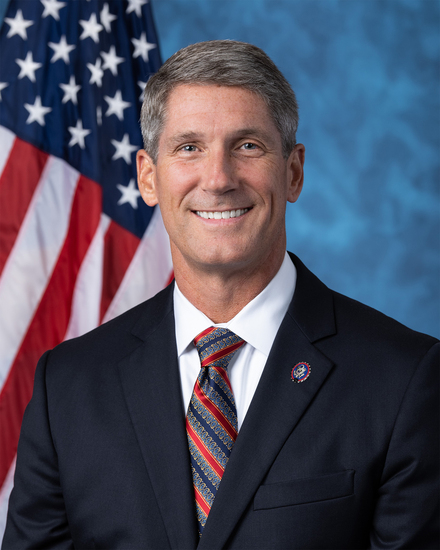
Rep. Scott Franklin
Sponsored bills
Maddy summaryThis joint resolution seeks congressional disapproval of a Department of Labor rule designed to improve protections for temporary agricultural workers. It invokes a specific federal process under Title 5 to block the rule from taking effect, preventing the proposed changes from being implemented. The rule, published April 29, 2024, would have affected temporary farmworkers’ rights and working conditions. If passed, the resolution would nullify the rule, meaning the Department of Labor’s proposed protections would not be enforced.
Maddy summaryThis bill updates legal definitions in customs law to replace the outdated "four leagues" standard with current international law boundaries. It clarifies that U.S. customs enforcement applies to waters within the U.S. territorial sea (up to 12 nautical miles, as defined in Presidential Proclamation 5928) and contiguous zone (up to 24 nautical miles, as defined in Proclamation 7219). The change directly affects U.S. Customs and Border Protection's maritime enforcement operations but does not alter the actual geographic scope of enforcement areas. The bill amends the Tariff Act of 1930 and the Anti-Smuggling Act to align their language with existing international law standards.
Maddy summaryHR 8147 repeals the Corporate Transparency Act, which required certain businesses (typically those with more than 20 employees) to report beneficial ownership details to the Treasury Department. This bill eliminates the requirement for companies to disclose who ultimately owns or controls them, directly affecting business owners and financial institutions that previously submitted this information. The bill also makes minor technical changes to Title 31 of the U.S. Code to remove references to the repealed provisions. The repeal would end the existing financial transparency reporting obligation for covered entities.
Maddy summaryThe SERVICE Act of 2024 establishes a 5-year pilot program to create specialized veterans response teams within law enforcement agencies. These teams, funded through federal grants, directly assist veterans in crisis by connecting law enforcement with VA resources, providing mental health training for officers, and organizing 24/7 volunteer response teams. Key provisions include identifying veteran officers to wear service pins, coordinating with VA and community agencies, and developing crisis response plans. The program requires participating agencies to track outcomes and report grant data to Congress annually.
Maddy summaryThe EARN IT Act of 2023 clarifies that Section 230 of the Communications Act does not shield online service providers from liability for child sexual abuse material, while specifically protecting providers who use encryption technologies from liability for using those technologies. The bill amends over 50 federal statutes to replace "child pornography" with "child sexual abuse material" to ensure consistent terminology across legal contexts. It updates the CyberTipline (operated by the National Center for Missing & Exploited Children) to improve reporting of child sexual abuse material, extending the preservation period for reports from 90 days to one year. The law affects internet service providers, law enforcement, and child protection programs by clarifying legal responsibilities around child sexual abuse material.
Maddy summaryThis bill establishes the Toxic Exposure Fund to provide dedicated funding for veterans exposed to toxic substances during military service. It transfers specific amounts from savings (starting at $26.4 billion for fiscal year 2026 and increasing to $45.3 billion for fiscal year 2033) to this fund, which will be used for veterans' health care, related administrative expenses, and medical research under existing law. The bill requires the Department of Veterans Affairs to submit annual reports detailing fund usage and a work plan for allocating funds through 2033. It also sets up a process for determining future funding levels for fiscal years 2034-2045. The fund is specifically designed to serve veterans exposed to toxic materials during military service, with funds prohibited from being used for facility leases.
Maddy summaryHR 5947 terminates specific U.S. waivers and licenses related to Iran, ending a 2023 waiver that allowed funds transfer from South Korea to Qatar. It prohibits the Treasury Department from reissuing similar waivers or licenses for the same purpose and blocks the President from granting Iran access to certain designated financial accounts established under prior laws. The bill directly affects U.S. foreign policy implementation by restricting how Treasury handles Iran-related financial transactions. It enacts concrete policy changes by ending existing authorizations and preventing future approvals for Iran to access specific accounts.
Maddy summaryHCONRES 104 authorizes the use of the U.S. Capitol rotunda for a lying in state ceremony of Ralph Puckett, Jr.'s remains on April 29, 2024. The resolution recognizes Puckett as the last Medal of Honor recipient for actions during the Korean War (1950-1953) and honors over 5.7 million service members who served in that conflict, often called the "Forgotten War." The Architect of the Capitol will implement the arrangements under the direction of the House Speaker and Senate President pro tempore.
Maddy summaryHR 5921, the "No U.S. Financing for Iran Act of 2023," prohibits U.S. financial institutions from authorizing transactions related to Iran's imports or exports (excluding agricultural goods, food, medicine, and medical devices for civilians). It also requires the U.S. to oppose International Monetary Fund (IMF) financial aid to Iran and block Iran's access to IMF Special Drawing Rights. The bill amends the Export-Import Bank Act to ban U.S. financing for Iran's government or state-controlled entities. The law expires either 30 days after the President certifies Iran has stopped supporting international terrorism and is no longer a major money laundering concern, or 10 years from enactment.