

Maddy summaryThis bill prohibits the U.S. State Department from acquiring, leasing, or authorizing construction on overseas diplomatic facilities (like embassies and consulates) where the People’s Republic of China or its entities have ownership control (defined as 25% or more). It applies to all new building acquisitions, leases, and construction contracts after the law’s enactment. The law defines "covered construction" to include all building work, repairs, and essential systems like electrical or plumbing. Violations require the Secretary of State to notify relevant congressional committees within seven days.
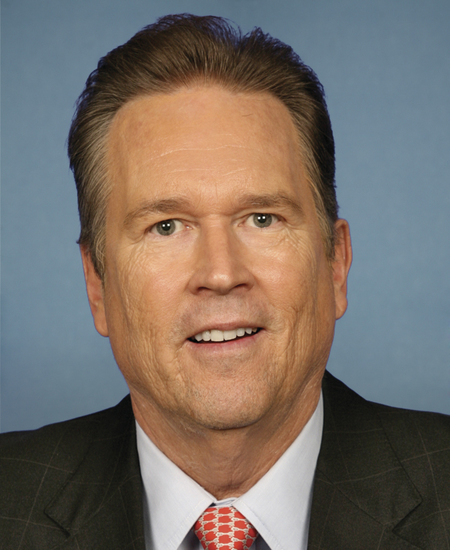
Rep. Vern Buchanan
Sponsored bills
Maddy summaryThis bill amends budget scoring rules to require the Congressional Budget Office to account for long-term savings from preventive health programs when evaluating legislation. It directs the CBO to assess if a bill reduces future government costs through evidence-based preventive health services (like screenings or vaccinations) and include those savings in budget projections. The change affects how Congress scores the fiscal impact of health-related bills, requiring them to consider savings over 20 years (not just the current budget cycle). It does not create new programs but changes the budget analysis process for preventive health measures.
Maddy summaryHR 7725 would block federal funding for graduate medical schools that require students or staff to adopt specific statements about race, gender, or identity (like claiming systemic racism or collective guilt), use race-based distinctions in admissions or programs, maintain DEI offices, or mandate "diversity statements" for admission. It directly affects graduate medical schools at colleges/universities receiving federal financial aid, including student loans. The bill exempts medical education about race-related health needs, demographic data collection for reporting, and religious institutions from adhering to policies conflicting with their beliefs. Schools violating these rules would lose eligibility for federal funds, though they could still comply with anti-discrimination laws and provide general academic instruction.
Maddy summaryThis bill prohibits U.S. app stores, hosting services, and distributors from enabling foreign adversary-controlled applications (like TikTok, owned by ByteDance) to operate within U.S. borders. It requires companies to provide users with their data in a machine-readable format before a ban takes effect, and imposes civil penalties of up to $5,000 per affected user for violations. The law directly affects major app platforms, app stores, and internet hosting services, targeting applications owned by entities controlled by designated "foreign adversary" countries (e.g., China). It includes exemptions for companies that divest U.S. operations to non-adversary entities before the ban date.
Maddy summaryThis bill prohibits the interstate transport, sale, breeding, or possession of captive American mink raised for fur production (including parts or offspring), directly affecting mink fur farmers and the fur industry. It includes a limited exception for entities covered under the Lacey Act and establishes a buy-out program where the government may purchase mink farms. The buy-out amount is based on the farmer's average mink count over three years and the farm's infrastructure value. Funding for the buy-out depends on available appropriations. The bill does not apply to mink not raised for fur or to certain wildlife management activities.
Maddy summaryThis bill amends U.S. immigration law to automatically bar immigrants from entering the country and require their removal if they have been convicted of, admitted to committing, or are charged with sexual assault. It directly affects non-citizens (aliens) who have been involved in sexual assault offenses, as defined under existing law. Key provisions add new grounds for inadmissibility (preventing entry) and deportability (requiring removal) specifically for such offenses under sections 212(a)(2) and 237(a)(2) of the Immigration and Nationality Act. The bill does not change criminal penalties for sexual assault but modifies immigration consequences for those with such convictions or admissions.
Maddy summaryThe Laken Riley Act (HR 7511) would require federal authorities to detain non-citizens charged with or convicted of burglary, theft, larceny, or shoplifting offenses. It also creates new legal standing for state attorneys general to sue federal immigration officials in federal court if they believe immigration enforcement decisions (like releasing aliens or granting parole) cause financial harm exceeding $100 to the state or its residents. The bill amends immigration laws to expand detention requirements for certain property crimes and allows states to seek court orders to enforce immigration policies. It does not create new criminal penalties but modifies existing immigration enforcement procedures. The bill’s findings and political language about the Laken Riley case are not part of its policy provisions.
Maddy summaryHR 7563, the Food Traceability Enhancement Act, modifies FDA food safety rules to ease requirements for certain businesses. It shortens recordkeeping periods from 2 to 1 year and exempts restaurants, retail food establishments, and warehouses from maintaining or sharing traceability lot code information. The bill mandates 9 pilot projects testing outbreak investigations without lot codes and evaluating low-cost tracing technologies, with specific sector and commodity diversity requirements. It delays compliance for existing traceability rules until 2 years after the pilots conclude, and requires a report on FDA information-sharing barriers with food businesses.
Maddy summaryHR 7122 prohibits the U.S. government from making any funding contributions - whether voluntary or mandatory - to the United Nations Relief and Works Agency for Palestine Refugees (UNRWA), its successors, or the UN's regular budget when used to support UNRWA. This bill directly affects U.S. federal budget allocations and international aid programs by banning all financial support for UNRWA operations. The key provision is a complete stop to U.S. funding, eliminating both direct payments to UNRWA and indirect support through the UN's general budget.
Maddy summaryHRES 1046 is a ceremonial resolution honoring 13 U.S. military veterans and civilians who led the 2021 Afghanistan evacuation. It recognizes their efforts in safely evacuating over 17,000 Afghan allies and citizens from Taliban-controlled areas during the U.S. withdrawal. The resolution formally thanks these individuals for their "extraordinary efforts" and "exceptional service," as detailed in the Congressional Record. This is purely symbolic recognition with no policy or legal impact.