

Maddy summaryHR 1290, the Veterans Mental Health Crisis Referral Enhancement Act of 2025, requires the VA to create a three-year pilot program connecting veterans in mental health crises with approved non-VA providers. The program, testing in at least three locations, mandates referrals within one week, develops provider approval criteria, and trains VA staff. It includes annual reports tracking referrals, wait times, and veteran satisfaction, plus a final evaluation after the pilot. The bill authorizes $3 million annually (2025-2027) for this referral system, directly affecting veterans seeking urgent mental health care outside VA facilities.
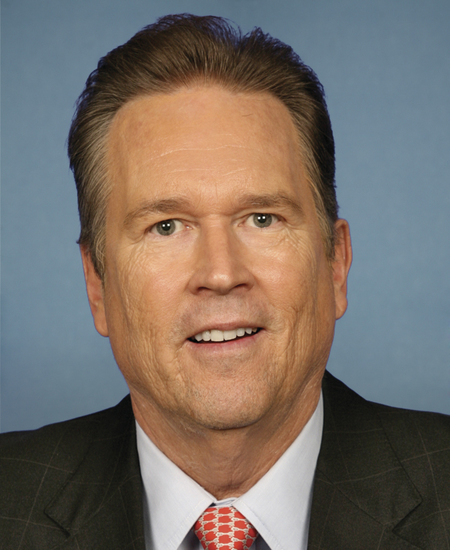
Rep. Vern Buchanan
Sponsored bills
Maddy summaryHR 1289, the Veterans Nutrition and Wellness Act of 2025, creates a 3-year pilot program (the "Food is Medicine" program) within the Department of Veterans Affairs. It provides medically-tailored meals and groceries, along with nutrition education and cooking classes, to veterans enrolled in VA care who have specific chronic conditions (like diabetes, cancer, or heart failure) or maternal health needs (including prenatal/postpartum care with risks like preeclampsia). The program requires VA to partner with community organizations for food sourcing, train VA health providers on integrating the program, and report annually on participant health outcomes, healthcare utilization, and cost savings. The pilot is limited to veterans meeting the defined eligibility criteria and will terminate after three years.
Maddy summaryHR 1156, the Pandemic Unemployment Fraud Enforcement Act, extends the time limit for prosecuting fraud related to pandemic unemployment programs. It adds a 10-year window for criminal or civil actions against individuals who falsely claimed benefits under Pandemic Unemployment Assistance (PUA), Federal Pandemic Unemployment Compensation (FPUC), or Mixed Earner Unemployment Compensation (MEUC). The law applies only to fraud committed during these specific pandemic-era programs and does not revive cases where the original statute of limitations had already expired before this bill passed. This change gives authorities more time to pursue fraud cases without altering the programs' core eligibility rules.
Maddy summaryHRES 215 is a symbolic resolution designating March 15, 2025, as "National Osceola Turkey Day." It directly honors the Osceola turkey subspecies, which is unique to peninsular Florida and considered challenging to hunt due to its habitat. The resolution highlights Florida's Wild Turkey Cost Share Program, which uses permit revenue for habitat conservation, and notes that Florida hunters contributed over $76 million annually to turkey management since 1985. It has no legal effect or funding changes - only encouraging public observance of the day. The resolution was introduced by Florida representatives and connects to Florida's spring turkey hunting season opening.
Metastatic Breast Cancer Access to Care Act This bill expedites payment of Social Security Disability Insurance (SSDI) benefits and eligibility for Medicare coverage for those with metastatic breast cancer (i.e., breast cancer that has spread to other sites in the body). Specifically, the bill eliminates the 5-month waiting period for SSDI benefits and the subsequent 24-month waiting period for Medicare coverage for individuals with metastatic breast cancer. Under current law, individuals generally must wait 5 months after the onset of disability to begin receiving SSDI benefits and an additional 24 months to become eligible for Medicare.
Maddy summaryHR 2033, the Military Spouse Hiring Act, expands the Work Opportunity Tax Credit to include spouses of active-duty military personnel. It adds "qualified military spouse" as an eligible category for the tax credit, meaning employers who hire such spouses can claim the credit. A "qualified military spouse" is defined as someone certified by a local agency as married to an active-duty service member at the time of hire. The credit applies to hires occurring after the bill's enactment date. This directly affects military spouses seeking employment and employers hiring them, providing a tax incentive to encourage their hiring.
Maddy summaryThis bill increases federal funding for projects improving safety for pedestrians and cyclists. It allows states and local governments to use highway funds for connecting existing bike/pedestrian infrastructure (clause xxix) or reducing safety risks to vulnerable road users (clause xxx), with federal funding covering up to 100% of costs for these projects. The bill also creates flexible financing options, letting local safety plans (like Complete Streets or Vision Zero plans) count toward required local funding shares. It directly affects state transportation agencies and local governments administering federal highway safety programs. The key change is making 100% federal funding available for qualifying pedestrian and cyclist safety projects.
Maddy summaryHR 1978 requires the Department of Defense to develop a strategy treating obesity as a medically recognized disease and reduce obesity rates among active-duty service members in all military branches (Army, Navy, Marine Corps, Air Force, and Space Force). It mandates coordinated military health programs, an educational campaign for service members on prevention and resources, and improved training for military healthcare providers to diagnose and treat obesity. The bill also requires annual reports on program effectiveness and adds data about unmet weight standards to congressional reports on enlistment, medical separations, and military readiness. These provisions aim to align military health practices with medical standards while tracking obesity's impact on operational capacity.
Maddy summaryHR 1990, the American Innovation and R&D Competitiveness Act of 2025, amends tax rules for businesses to make research and development (R&D) costs more flexible. It allows companies to deduct R&D expenses immediately as business costs (instead of capitalizing them) or to spread these costs over a minimum 60-month period. The bill clarifies which R&D expenses qualify, excludes land improvements and mineral exploration costs, and ensures companies can claim R&D tax credits without conflict with expense treatment. This directly affects businesses that conduct R&D, changing how they account for these costs on tax returns starting for 2022 taxable years.
Maddy summaryHR 1977 requires the Secretary of Defense to conduct four specific studies and submit reports to Congress within one year. The studies examine obesity's role in military injuries and medical discharges (including associated costs), ways to improve food procurement for healthier options, access to healthy foods for military families, and obesity's impact on national security readiness. This bill directly affects the Department of Defense's health and nutrition policies, requiring data collection on military personnel and family health. The reports will inform Congress about obesity-related costs, health initiatives, and readiness concerns within the armed forces. The bill does not change current policies but mandates new data gathering to assess the issue.