Maddy summaryThis bill mandates an interagency review by the Department of Health and Human Services (with Defense and Veterans Affairs) to address lung cancer disparities affecting women. It requires a report evaluating research gaps, improving access to lung cancer screening (especially for underserved groups), and developing public awareness campaigns about early detection. The review will focus on factors like environmental exposures, genomic differences, and treatment responses specific to women, particularly those who never smoked. The report must be submitted to Congress within one year of enactment. This directly affects women at risk of lung cancer, including those with non-smoking-related cases.
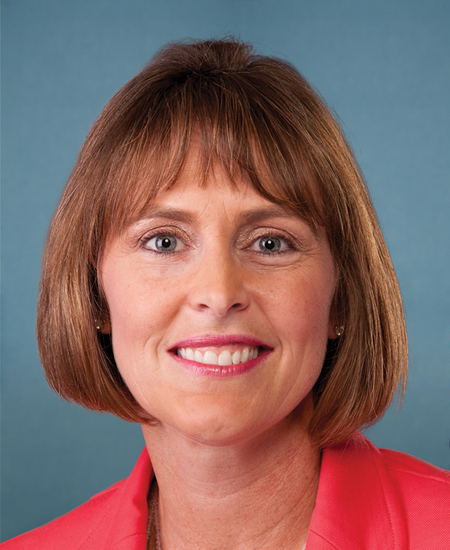
Rep. Kathy Castor
Sponsored bills
Maddy summaryThis bill expands access to lung cancer screening by requiring Medicaid, Medicare, and private insurance plans to cover annual screenings without cost-sharing or prior authorization for individuals meeting U.S. Preventive Services Task Force guidelines. It also removes pregnancy-based restrictions on tobacco cessation services, extending coverage for counseling and medications to all Medicaid enrollees. The law applies to all Medicaid beneficiaries, Medicare participants, and private insurance plans starting January 2024, eliminating barriers like co-pays or pre-approval for recommended screenings. Additional provisions include $10 million annually for public education campaigns and a federal study on under-screened lung cancer demographics.
Maddy summaryHR 4195, the Empowering Parents’ Healthcare Choices Act of 2021, allows parents to choose which health insurance plan covers their child when both parents have separate, qualifying coverage (e.g., individual policies or employer-sponsored group plans). Specifically, parents must submit a joint notification within 60 days of the child’s birth to designate one plan as primary coverage. This choice remains in effect until parents revoke it or one parent loses coverage under their plan. The bill applies to children born on or after January 1, 2022, and affects families with dual coverage, insurance issuers, and group health plans.
Maddy summaryThe LIFT the BAR Act removes barriers preventing lawfully present noncitizens from accessing federal benefits like food assistance, Medicaid, and school meals. It repeals specific 1996 welfare law provisions that excluded noncitizens and updates terminology to replace "alien" with "noncitizen" throughout federal law. The bill expands eligibility to include noncitizens in categories such as Deferred Action for Childhood Arrivals (DACA) recipients, individuals with special immigrant juvenile status, and those with pending U-visa applications. This change ensures more noncitizens lawfully present in the U.S. can access essential services without being denied based on immigration status.
Maddy summaryThis bill requires Medicare to cover genetic counseling services provided by licensed genetic counselors at 85% of the physician payment rate. It defines "genetic counselor" as a state-licensed professional (or meeting federal criteria in non-licensing states) and mandates a new billing modifier for these services starting January 1, 2024. Medicare beneficiaries seeking genetic counseling would gain expanded access to these services under this coverage. The policy change applies to services furnished on or after the effective date, with implementation via interim rule.
Maddy summaryThe Menstrual Equity For All Act of 2023 requires free menstrual products to be available at no cost in public schools, colleges, correctional facilities, and federal buildings. It makes menstrual products covered by Medicaid, prohibits taxes on these products, and provides funding through social services programs to help low-income individuals access menstrual products. The bill directly affects students (K-12 and college), incarcerated people, homeless individuals, employees (in businesses with 100+ workers), Medicaid beneficiaries, and people receiving Temporary Assistance for Needy Families (TANF). Key provisions include amending school funding to require free products, creating college grant programs for menstrual product distribution, and adding menstrual products to Medicaid coverage and social services programs.
Maddy summaryHR 3589, the Affordability is Access Act of 2023, requires health insurance plans to cover FDA-approved over-the-counter birth control without cost-sharing (like copays or deductibles). It directly affects millions of people who use contraception, particularly low-income individuals and those in areas with limited access to reproductive health services ("contraceptive deserts"). The bill clarifies that existing insurance coverage rules under the Affordable Care Act apply to over-the-counter contraceptives, and directs the FDA to expedite reviews for over-the-counter status. Retailers must not block access to these products but may refuse sales if payment isn’t provided.
Maddy summaryThe FAMILY Act (HR 3481) would establish a national paid family and medical leave insurance program administered by the Social Security Administration. Eligible workers would receive wage replacement benefits (up to 85% of average earnings, with a maximum of $4,000 monthly) for up to 60 caregiving days per 12-month benefit period for qualifying reasons like caring for a sick family member, personal serious health conditions, or responding to domestic violence. The program would be funded through 0.2% payroll taxes from employees and employers (with self-employed individuals paying 0.4%), with benefits coordinated with existing state programs. The law includes protections against employer retaliation for taking leave and requires employers to maintain health coverage during leave periods.
Maddy summaryHR 3207, the Build Housing with Care Act of 2023, creates a $100 million annual grant program to fund the co-location of affordable housing and childcare facilities. It directly affects housing developers, childcare providers, and low-income residents by requiring grantees to partner with qualified childcare centers (serving low-income families or operating in "child care deserts") and avoid evictions during facility development. Key provisions include prioritizing projects in underserved areas, mandating resident engagement, and requiring grantees to use funds for design, construction, or renovation of shared facilities. The program aims to increase childcare access near housing, with annual reports tracking outcomes like new childcare slots and resident usage.
Maddy summary# Summary of Proposed Immigration Legislation This comprehensive immigration bill proposes sweeping reforms across multiple areas of U.S. immigration policy. The key provisions can be categorized as follows: ## Family Immigration Reforms - Expands eligibility for family-based visas - Creates new pathways for family reunification - Reforms the "child out" rule for H-4 visa holders who age out - Establishes new procedures for sponsors of unaccompanied children ## Employment-Based Immigration - Increases diversity visas from 55,000 to 80,000 - Creates new categories for doctoral STEM graduates - Eliminates per-country limits for employment-based visas - Addresses visa backlogs by creating new categories for beneficiaries with priority dates over 10 years old - Increases visa numbers for certain employment-based categories (e.g., 23.55% instead of 28.6% for certain categories) - Creates a Regional Economic Development Immigrant Visa Pilot Program (10,000 visas annually) ## Diversity and Integration Programs - Creates a United States Citizenship and Integration Foundation to promote citizenship preparation - Establishes pilot programs for immigrant integration at state and local levels - Creates English as a Gateway to Integration grant program ($100 million for 2024-2025) - Creates Workforce Development and Shared Prosperity grant program ($100 million for 2024-2025) - Requires in-state tuition rates for refugees, asylees, and certain special immigrants - Waives English requirements for seniors applying for naturalization ## Immigration Court Reforms - Increases immigration judge numbers by 55 annually through 2028 - Creates a right to counsel for vulnerable individuals (children, victims of abuse, etc.) - Establishes an Immigration Counsel Fund with a $25 surcharge on immigration fees - Requires all noncitizens to receive legal orientation programs - Modernizes court technology for improved efficiency - Creates procedures for ensuring court appearance compliance ## Refugee and Asylum Processing - Expands alternatives to detention for family units - Improves processing for asylum seekers - Creates programs to facilitate safe and efficient repatriation - Establishes reintegration support for repatriated individuals ## Naturalization and Citizenship - Creates citizenship pathways for U.S. high school graduates - Waives English requirements for seniors - Creates a National Citizenship Promotion Program - Establishes naturalization ceremonies at historic locations The bill aims to create a more efficient immigration system, address backlogs in immigration courts, promote immigrant integration, create clearer pathways to citizenship, and reform both family-based and employment-based immigration systems. It represents a comprehensive approach to modernizing U.S. immigration policy.