

Maddy summaryThis resolution (HRES 585) is a symbolic congressional statement recognizing that extreme weather events - like heatwaves, wildfires, and poor air quality - pose unique health risks to children, including respiratory issues, heat illness, mental health impacts, and disruptions to education. It calls on Congress to prioritize rapid, equitable solutions tailored to children’s needs, such as improved school air filtration, accessible emergency alerts, and child-focused disaster planning. The resolution specifically highlights vulnerable groups like young farmworkers, pregnant people, and children in urban heat islands. As a non-binding resolution, it does not create new laws but urges future legislation and funding to address these climate-related health threats for children.
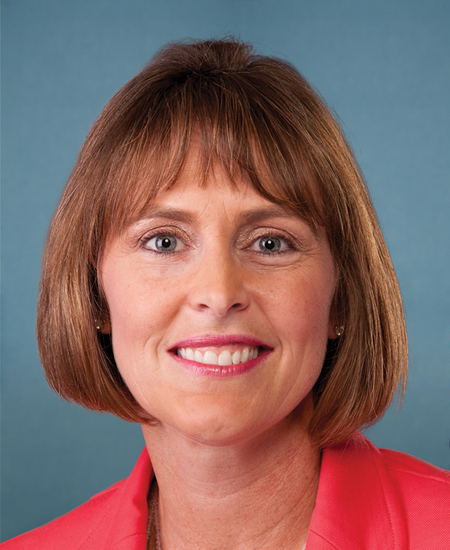
Rep. Kathy Castor
Sponsored bills
Maddy summaryThis bill establishes federal worker heat protection standards to prevent heat-related illness and injury. It requires employers to provide a workplace free from heat stress hazards, including access to cool water, scheduled rest breaks, shaded cooling areas, and training on heat illness symptoms. The Secretary of Labor must create these standards within one year, incorporating evidence-based practices like engineering controls (e.g., ventilation), administrative measures (e.g., adjusted schedules), and employer-paid personal protective equipment. The law directly affects all employers in high-heat work environments - such as construction, agriculture, and manufacturing - and strengthens whistleblower protections for workers reporting safety violations.
Maddy summaryThe Child Care for Working Families Act creates a federal program to provide affordable, high-quality child care for working families with children under age 6. It would provide direct child care assistance through certificates or grants to parents, with no copayment required for families at or below 85% of state median income. The program requires states to implement quality standards for child care providers, including a tiered quality system and minimum wage requirements for staff (at least a living wage equivalent to elementary educators). The bill appropriates $20 billion for the program over five years, with additional funding for quality improvement initiatives and universal preschool services.
Maddy summaryThis bill directs the Department of Health and Human Services to significantly increase federal research funding for uterine fibroids ($30 million annually from 2026-2030), expand coordination of NIH research, and establish a Medicaid data system to track treatment access and costs. It mandates public education on fibroid symptoms, prevalence (especially among Black women, who face higher risk and severity), and non-hysterectomy treatment options. The bill also requires disseminating evidence-based provider resources on managing fibroids while preserving fertility. These provisions directly affect the estimated 26 million U.S. women with fibroids - particularly women of color - and aim to address the current lack of research and treatment data.
Maddy summaryThis bill extends funding deadlines for sport fish restoration and recreational boating programs through 2031, updating prior expiration dates. It clarifies funding for interstate fisheries commissions and adds new definitions for alternative marine fuel infrastructure, including facilities dispensing fuels derived from recycled oils or plant materials. The bill also establishes a 3% tax rate (down from 10%) for portable, electronically-aerated bait containers sold by manufacturers. These changes primarily affect recreational boaters, sport fishing programs, and facilities seeking to install alternative fuel infrastructure.
Maddy summaryHR 1770, the Consumer Safety Technology Act, requires federal agencies to study and pilot new technologies to improve consumer safety. Title I mandates the Consumer Product Safety Commission to run a one-year AI pilot program to track product injuries, identify hazards, monitor recalls, and check imports, then report findings to Congress. Title II directs the Commerce Secretary to study how blockchain technology can prevent fraud in consumer transactions, including public input and a 6-month report to Congress. Title III requires the Federal Trade Commission to report on its enforcement actions against deceptive practices involving digital tokens and recommend improvements to protect consumers. The bill affects the Consumer Product Safety Commission, Commerce Department, and FTC, focusing on research and reporting rather than immediate regulatory changes.
Maddy summaryHR 4382 authorizes the U.S. Mint to produce commemorative coins for the 2028 Los Angeles Olympics/Paralympics and 2034 Salt Lake City Winter Olympics/Paralympics. It specifies gold, silver, and half-dollar coin designs with defined mintage limits (e.g., up to 100,000 $5 gold coins for each event), all bearing inscriptions like "2028" or "2034" and standard coin features. A surcharge ($5-$50 per coin) is added to sales, with all funds directed to the respective Olympic committees to support event hosting and legacy programs like youth sports. The bill ensures no net cost to the government by requiring surcharge revenues to cover all design, production, and marketing expenses before funds are disbursed.
Maddy summaryHCONRES 42 is a symbolic congressional resolution recognizing the persistent wage gap between Black women and White, non-Hispanic men in the U.S. It highlights that Black women earn 66 cents for every dollar earned by White, non-Hispanic men working full-time year-round, with the gap taking over 200 years to close at current rates. The resolution emphasizes how this disparity - rooted in both racial and gender discrimination - impacts Black women’s ability to afford essentials like education, childcare, and housing. It does not create new laws or policies but formally acknowledges the issue on Black Women’s Equal Pay Day (July 10, 2025) and reaffirms support for equal pay.
Maddy summaryHR 4338, the Weather-Safe Energy Act of 2025, directs the Department of Energy to create and maintain a free online tool called the Weather-Safe Energy Platform. This platform will provide electricity utilities, grid operators, and regulators with high-resolution weather and hydrological data - showing how patterns change over time and location - to improve planning for extreme events like hurricanes or wildfires. The bill requires the tool to include historical data, projections, stakeholder input, and research findings on extreme weather impacts, with technical assistance training provided to users. The platform must be launched within two years of the bill's enactment, and the Department will report on its use and effectiveness to Congress every three years.
Maddy summaryThe Clean Shipping Act of 2025 sets new federal standards to reduce greenhouse gas emissions from commercial shipping in U.S. waters. It requires vessels over 400 gross tons operating on covered voyages (between U.S. ports or U.S. ports and foreign ports) to gradually lower the carbon intensity of their fuel, aiming for 100% reduction by 2050 through phased targets (e.g., 30% reduction by 2030, 58% by 2034). Ship owners must report annual fuel carbon intensity and emissions data, while the EPA must develop consistent reporting methods aligned with international standards. The law applies directly to commercial shipping companies operating eligible vessels and includes flexibility for feasibility adjustments if technological or economic challenges arise.