Emmett Till Antilynching Act This bill makes lynching a federal hate crime offense. Specifically, the bill imposes criminal penalties—a fine, a prison term of up to 30 years, or both—on an individual who conspires to commit a hate crime offense that results in death or serious bodily injury or that includes kidnapping or an attempt to kidnap, aggravated sexual abuse or an attempt to commit aggravated sexual abuse, or an attempt to kill.
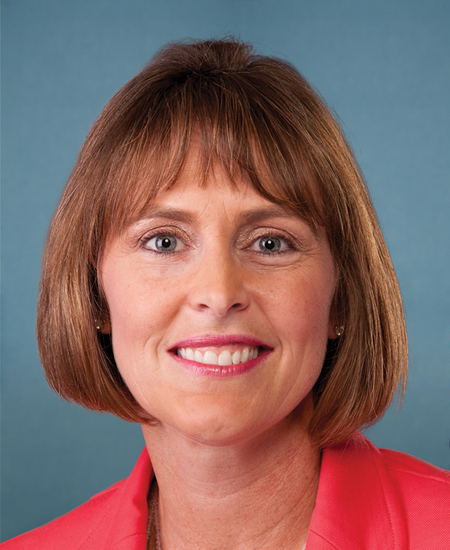
Rep. Kathy Castor
Sponsored bills
9-8-8 Implementation Act of 2022 This bill modifies provisions to increase access to behavioral health services, with a focus on crisis services and the 9-8-8 telecommunication system. (The 9-8-8 system provides callers with mental health or suicide crisis support and resources through the existing National Suicide Prevention Lifeline and is scheduled to take effect by July 16, 2022.) The bill reauthorizes through FY2027 and revises the National Suicide Prevention Lifeline program and requires a national suicide prevention media campaign. In addition, the Substance Abuse and Mental Health Services Administration (SAMHSA) must establish standards for a behavioral health crisis continuum of care that health care providers and communities may use in responding to individuals experiencing a behavioral health crisis. The continuum must include emergency treatment, stabilization, and related services. The bill expands Medicaid and other insurance coverage for such services. The bill further expands Medicaid coverage for behavioral health services. This includes permanently allowing coverage of certain community-based mobile crisis services and exempting some short-term stabilization services from coverage restrictions that apply to institutions for mental diseases. Additionally, the bill establishes (1) an office within SAMHSA to coordinate behavioral health activities; and (2) various grants, including a pilot program for mobile crisis care teams that respond to behavioral health crises rather than law enforcement and a capital improvement program for certain behavioral health facilities. The bill also reauthorizes through FY2027 and expands certain workforce programs for behavioral health providers. It also addresses training for emergency services dispatchers and coordination of the 9-1-1 system with the 9-8-8 system.
Protecting Communities from Harmful Algal Blooms Act This bill amends the Robert T. Stafford Disaster Relief and Emergency Assistance Act to include algal blooms in the definition of a major disaster . The bill directs the Centers for Disease Control and Prevention to submit to specified congressional committees a detailed study relating to the health effects of exposure to cyanotoxins in the air that result from algal blooms.
Creating a Respectful and Open World for Natural Hair Act of 2022 or the CROWN Act of 2022 This bill prohibits discrimination based on a person's hair texture or hairstyle if that style or texture is commonly associated with a particular race or national origin. Specifically, the bill prohibits this type of discrimination against those participating in federally assisted programs, housing programs, public accommodations, and employment. Persons shall not be deprived of equal rights under the law and shall not be subjected to prohibited practices based on their hair texture or style. The bill provides for enforcement procedures under the applicable laws.
Forced Arbitration Injustice Repeal Act of 2022 or the FAIR Act of 2022 This bill prohibits a predispute arbitration agreement from being valid or enforceable if it requires arbitration of an employment, consumer, antitrust, or civil rights dispute.
This resolution celebrates the 200th anniversary of diplomatic relations between the United States and Colombia. The resolution recognizes the vital strategic alliance between the United States and Colombia, built on a shared commitment to democracy. The resolution also celebrates the contributions made by Colombians and Colombian Americans to the United States.
Dr. Lorna Breen Health Care Provider Protection Act This bill establishes grants and requires other activities to improve mental and behavioral health among health care providers. Specifically, the Department of Health and Human Services (HHS) must award grants to hospitals, medical professional associations, and other health care entities for programs to promote mental health and resiliency among health care providers. In addition, HHS may award grants for relevant mental and behavioral health training for health care students, residents, or professionals. Additionally, HHS must conduct a campaign to (1) encourage health care providers to seek support and treatment for mental and behavioral health concerns, and (2) disseminate best practices to prevent suicide and improve mental health and resiliency among health care providers. HHS must also study and develop policy recommendations on improving mental and behavioral health among health care providers, removing barriers to accessing care and treatment, and identifying strategies to promote resiliency. Furthermore, the Government Accountability Office must report on the extent to which relevant federal grant programs address the prevalence and severity of mental health conditions and substance use disorders among health care providers.

This resolution expresses that the House of Representatives declares its gratitude on behalf of the people of the United States to the journalists and news staff who continue to put themselves in harm's way to report on the humanitarian crisis and ongoing war on the ground in Ukraine following Russian President Vladimir Putin's invasion of Ukraine; and honors the contributions of journalists and news staff reporting from the war in Ukraine as essential in the ongoing struggle for the rights of a free press and free speech internationally, pivotal in pushing back against false propaganda by tyrants, and crucial to informing Americans and the world of the horrors being wrought against the Ukrainian people.
Into the Light for Maternal Mental Health and Substance Use Disorders Act of 2022 or the Into the Light for MMH and SUD Act of 2022 This bill reauthorizes through FY2028 a program that addresses maternal depression and, among other changes, expands its scope to include mental health and substance use disorders. It also requires the Department of Health and Human Services to maintain a national hotline to provide mental health and substance use disorder resources to pregnant and postpartum women and their families.
Autonomy for Disabled Veterans Act This bill increases the maximum amount authorized under the Home Improvements and Structural Alterations (HISA) grant program to $10,000 for veterans with a service-connected disability and $5,000 for those with disabilities that are not service-connected. The HISA grant program provides medically necessary improvements and structural alterations to veterans' (or service members') primary residence for specified purposes (e.g., allowing for entrance to their home). The bill requires the Department of Veterans Affairs to increase the dollar amount of the grant in accordance with inflation as determined by the Consumer Price Index.