

Student Compensation and Opportunity through Rights and Endorsements Act or the SCORE Act This bill provides a framework for the compensation of student athletes for the use of their name, image, or likeness (NIL). This includes addressing certain elements of the court approved agreement to settle the In re College Athlete NIL Litigation (i.e., House settlement ). Specifically, the bill statutorily prohibits institutions, conferences, or interstate intercollegiate athletic associations (e.g., the National Collegiate Athletic Association (NCAA)) from restricting the ability of a student athlete to enter an NIL agreement. The bill also requires institutions of higher education that generate $20 million or more in annual revenue from the institution's intercollegiate athletics activities to (1) provide counseling and medical benefits to student athletes, and (2) establish and maintain at least 16 varsity sports teams. Further, the bill authorizes interstate intercollegiate athletic associations to establish rules with respect to athletic eligibility, transfers, recruitment, and the disclosure of NIL agreements. Under the bill, student athletes may not be considered employees of an institution, conference, or interstate intercollegiate athletic association. The bill also preempts state laws with respect to compensation, payments, benefits, employment status, eligibility, and academic standards applicable to student athletes. Compliance with the provisions of this bill is considered lawful under federal and state antitrust laws.
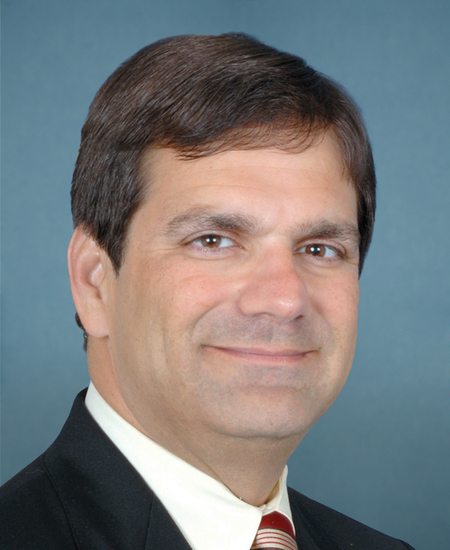
Rep. Gus M. Bilirakis
Sponsored bills
Maddy summaryThis bill expands Medicare coverage to include genetic counseling services provided by licensed or certified genetic counselors, effective January 1, 2027. It defines "covered genetic counseling services" as those furnished by qualified counselors under state law or certification, with payments set at 80% of the lesser of the actual charge or 85% of the physician fee schedule. Medicare beneficiaries seeking genetic counseling will gain access to these services through covered providers, while preventing balance billing for these specific services. The bill does not restrict physicians from billing for similar services under existing Medicare rules.
Maddy summaryHR 6210, the Senior Savings Protection Act, extends mandatory annual funding for key senior assistance programs through fiscal year 2030. It allocates $15 million each year for State Health Insurance Assistance Programs, $15 million for Area Agencies on Aging, $5 million for Aging and Disability Resource Centers, and $15 million for outreach coordination efforts. These funds directly support low-income seniors by expanding access to counseling, benefits enrollment help, and program information through state and local agencies. The bill makes no new eligibility rules but ensures sustained financial support for existing services that help seniors navigate healthcare and social programs.
Maddy summaryThis bill changes how Medicare pays doctors and healthcare providers after 2025. It replaces the current two-part payment system with a single annual update based on the Medicare Economic Index (MEI), which tracks costs providers face. Starting in 2026, the payment rate for physician services will automatically adjust each year using the MEI, rather than separate calculations. This directly affects doctors, clinics, and other Medicare providers who receive payments under the physician fee schedule.
Maddy summaryThe VISIT USA Act directs the Treasury to transfer $160 million from unused tourism promotion funds to Brand USA (the Corporation for Travel Promotion) within 30 days of the bill's enactment. This funding is exempt from standard transfer limits and requires Brand USA to follow existing matching rules for these funds. The bill directly affects Brand USA, providing it with dedicated resources to support international tourism marketing and promotion efforts. It makes a concrete policy change by reallocating specific unobligated funds to boost the U.S. tourism marketing program.
Maddy summaryThe Fisheries Data Modernization and Accuracy Act of 2025 reforms how recreational fishing data is collected and used by the National Marine Fisheries Service. It establishes a standing committee with the National Academies to advise on data collection methods, sets a 30% threshold for data reliability (percent standard error), and requires consultation when data falls below this level. States can develop their own data collection programs that may replace federal MRIP data when they meet specific standards, and the bill creates a grant program to help states improve their systems. The bill requires annual reports on implementation and data quality improvements, affecting recreational fishing management across all coastal states and federal fisheries agencies.
Maddy summaryThe Biomanufacturing Excellence Act of 2025 establishes a National Biopharmaceutical Manufacturing Center of Excellence under the National Institute of Standards and Technology (NIST). It authorizes $120 million in funding for fiscal year 2026 to competitively award a grant to eligible entities - such as public-private partnerships, universities, or consortia - to create this center. The center will advance biopharmaceutical manufacturing technology, strengthen U.S. supply chains for medicines, and develop workforce training programs, with a focus on products critical to national security, health, and economic security. It requires annual progress reports to Congress and mandates the center to collaborate with manufacturers, research institutions, and educational partners to scale innovative production methods.
Maddy summaryHR 6068, the PROTECT Florida Act, extends the existing moratorium on oil and gas leasing and exploration in the Gulf of Mexico through 2032 and adds a new, permanent ban on these activities off Florida’s Atlantic coast. It directly affects federal agencies (like the Department of the Interior), which cannot issue permits for oil/gas exploration, seismic testing, or related activities in two specific zones: the Straits of Florida and the South Atlantic Planning Area south of Florida’s coastline. The bill blocks all leasing, preleasing, and exploration permits in these areas from enactment until June 30, 2032. This policy change prevents new offshore drilling and seismic surveys in Florida’s coastal waters, aiming to protect marine environments and coastal communities.
Maddy summaryHRES 866 is a non-binding House resolution condemning the systematic persecution of Christians in Nigeria by groups like Boko Haram and Fulani militants, and criticizing Nigeria's government for failing to protect Christian communities or acknowledge the violence. It calls on the U.S. government to support President Trump in using diplomatic, economic, and security tools to pressure Nigeria to end impunity for attacks, protect Christians, return displaced persons, and repeal blasphemy laws. The resolution specifically demands action against religiously motivated violence, including the release of those imprisoned for their faith, and urges coordination with international partners for humanitarian aid. It does not create new laws but expresses congressional support for U.S. policy actions targeting Nigeria's religious freedom violations.
Maddy summaryThe North Korean Human Rights Reauthorization Act of 2025 reauthorizes U.S. programs supporting human rights in North Korea through 2030, extending funding and reporting requirements from previous timelines. It mandates annual reports to Congress on U.S. efforts to improve human rights conditions, including coordination with international partners and support for nongovernmental organizations. The bill directs diplomatic actions urging China to halt forced returns of North Korean refugees, allow UNHCR access to refugees in China, and address refugee resettlement. It also requires the State Department to report on efforts to appoint a Special Envoy for North Korean Human Rights and expands U.S. support for information access into North Korea. These provisions directly affect U.S. foreign policy implementation, international humanitarian coordination, and the protection of North Korean refugees.