

Maddy summaryThe TAKE IT DOWN Act makes it a crime to intentionally share intimate images or digital forgeries of people without their consent, with penalties of up to 2 years in prison for adults and 3 years for minors. It requires major online platforms to establish a 48-hour process for victims to request removal of such content, with platforms protected from liability when acting in good faith. The bill defines "digital forgery" as AI-generated content that appears authentic and applies to websites and apps primarily hosting user-generated content, excluding email services and broadband providers. The Federal Trade Commission will enforce these notice and takedown requirements. This legislation directly affects victims of nonconsensual intimate content, the platforms hosting such material, and individuals who distribute it.
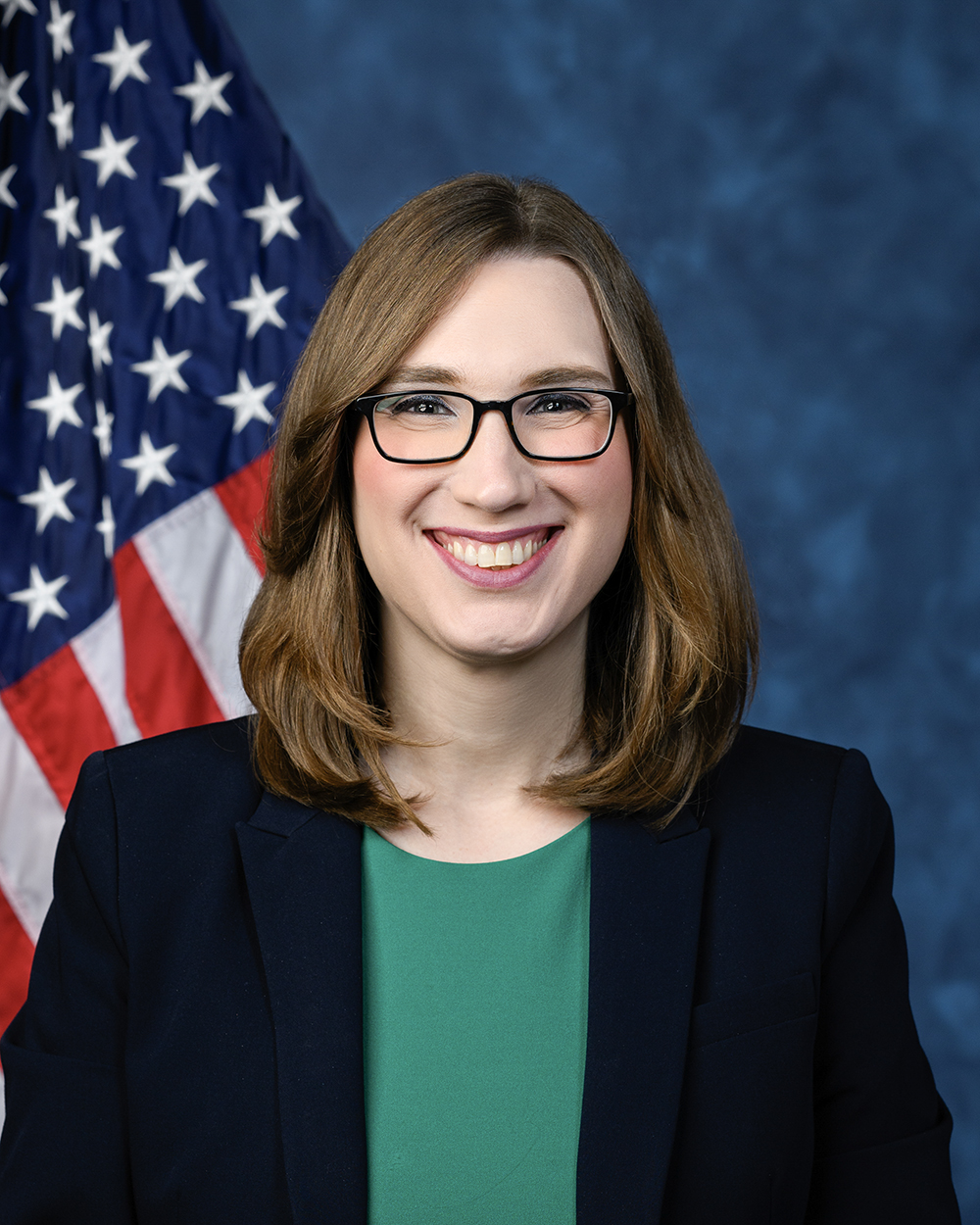
Rep. Sarah McBride
Sponsored bills
Maddy summaryHR 3006 would limit Medicare coinsurance for certain surgical procedures performed in ambulatory surgical centers (ASCs). Specifically, it prevents patients from paying coinsurance exceeding the annual inpatient hospital deductible for those procedures. If the coinsurance amount would surpass the deductible, the Medicare program must reduce the patient's share to match the deductible and reimburse the ASC for the difference. This change applies to services provided on or after January 1, 2026, directly affecting Medicare beneficiaries using ASCs for qualifying surgeries.
Maddy summaryThe TREES Act of 2025 establishes a federal grant program to fund tree planting projects that reduce residential energy consumption. Eligible entities - including local governments, tribes, nonprofits, and power providers - can apply for grants covering 90% of project costs, with $50 million authorized annually from 2026-2030 to plant at least 300,000 trees yearly. Priority is given to projects targeting neighborhoods with high energy burdens (households spending a large share of income on energy bills), low tree canopy cover, senior or child populations, and low-income areas. Projects must include community engagement and local hiring, focusing on shade/wind protection to lower home energy use. The program aims to cut residential energy costs through strategic urban forestry, with all funding and implementation details defined in the bill text.
Maddy summaryHR 2357, the Food Secure Strikers Act of 2025, removes a restriction that previously barred workers on strike from receiving Supplemental Nutrition Assistance Program (SNAP) benefits. The bill amends the Food and Nutrition Act of 2008 to eliminate language making workers ineligible for SNAP "as a result of being on strike," ensuring striking workers are not automatically denied food assistance during labor disputes. This change directly affects workers participating in strikes who would otherwise lose access to SNAP benefits. The key mechanism updates the eligibility rules to prevent SNAP ineligibility solely due to strike participation.
Maddy summaryThe Advancing Water Reuse Act creates a 30% tax credit for businesses investing in qualifying water recycling systems. It directly affects industrial, manufacturing, data center, and food processing facilities that replace freshwater use with recycled water from municipal sources, as well as projects building municipal water recycling infrastructure to serve these sectors. The credit covers 30% of the cost for eligible equipment, such as new onsite recycling systems or municipal infrastructure upgrades. This policy is available for projects completed by December 31, 2032, with specific rules allowing businesses to claim the credit even if equipment is later transferred to water utilities.
Maddy summaryThis bill, HR 2936 (the ABC-ED Act), aims to reduce emergency department crowding by requiring real-time tracking of hospital bed capacity and related metrics like patient wait times. It allows federal grants to modernize public health data systems that monitor emergency department boarding rates, bed availability, and ambulance offload times, with results displayed on a public dashboard (while protecting privacy). The bill also adds two new Medicare Innovation Center pilot programs: one focused on improving care for older adults (through staffing, infrastructure, and senior care coordination) and another for psychiatric crisis care (including dedicated units and faster facility transfers). Finally, it mandates a one-year study by the Government Accountability Office to evaluate best practices for these data systems and their impact on emergency department efficiency.
Maddy summaryHR 2947, the Deafblind DATA Act, requires the U.S. Census Bureau to publish an annual data table starting in 2026 showing individuals who reported both hearing and vision loss in the American Community Survey. The table will include demographic details (sex, race, age) and economic factors (employment, education, income, poverty status) for people in each state, without revealing personal identifiers. This bill directly addresses the lack of centralized data on the deafblind population (estimated at 10,000 children and 40,000 adults by the National Center on Deafblindness), which currently prevents accurate service planning. The Census Bureau must also report to Congress within 180 days on feasibility of expanding such data collection. The Act does not change existing services but aims to improve understanding of this population's needs through better data.
Maddy summaryThis concurrent resolution (HCONRES 26) expresses Congress's condemnation of the lack of accountability for Serbian sexual war crimes committed against Vasfije Krasniqi Goodman, a U.S. citizen raped by Serbian forces during the 1999 Kosovo war. It specifically references her case - where perpetrators were acquitted and later released despite multiple legal appeals - amid reports that only one perpetrator has been convicted of such crimes out of approximately 20,000 victims. The resolution calls on Kosovo to prioritize prosecuting 1999 war rape cases, urges Serbia to investigate and extradite perpetrators, and directs the U.S. government to elevate Goodman’s case in diplomatic engagements and support rehabilitation efforts. As a non-binding resolution, it formally urges action but does not create new legal obligations.
Maddy summaryHR 2832, the Defend American Manufacturing Act, mandates that the U.S. Department of Commerce continue funding the Hollings Manufacturing Extension Partnership (HMEP) program in all 50 states and Puerto Rico through fiscal year 2025 and beyond. It requires the Commerce Secretary to competitively renew and award HMEP centers annually, changing the current language from "may" to "shall" to make this funding requirement mandatory. The bill directly affects small and mid-sized manufacturers by ensuring ongoing access to technical assistance, training, and resources through state-based centers. This policy change solidifies the program’s structure without introducing new taxes, regulations, or eligibility criteria.
Maddy summaryThis bill prohibits the federal government from issuing new oil and gas leases for exploration, development, or production in the Mid-Atlantic region of the Outer Continental Shelf. It specifically blocks leasing in the area defined by the 2023 federal leasing plan (2024-2029 National Outer Continental Shelf Oil and Gas Leasing Proposed Final Program). The law directly affects energy companies seeking to drill in this coastal zone and requires the Secretary of the Interior to halt such lease sales. It does not impact existing leases or operations already authorized.