

Maddy summaryHR 3868, the Enhanced Background Checks Act of 2025, modifies federal firearm background check procedures to address delays. It requires federal firearms licensees to wait 10 business days after a background check query if the system doesn’t immediately flag a transfer, unless the buyer submits an electronic petition confirming they aren’t prohibited from owning firearms. The petition process includes a 10-day response deadline from the Attorney General, with licensees allowed to proceed if the system remains silent after 10 days. The bill also mandates detailed annual reports from the FBI on petition delays and GAO reports on implementation, focusing on how these changes affect firearm transfers to prohibited individuals.
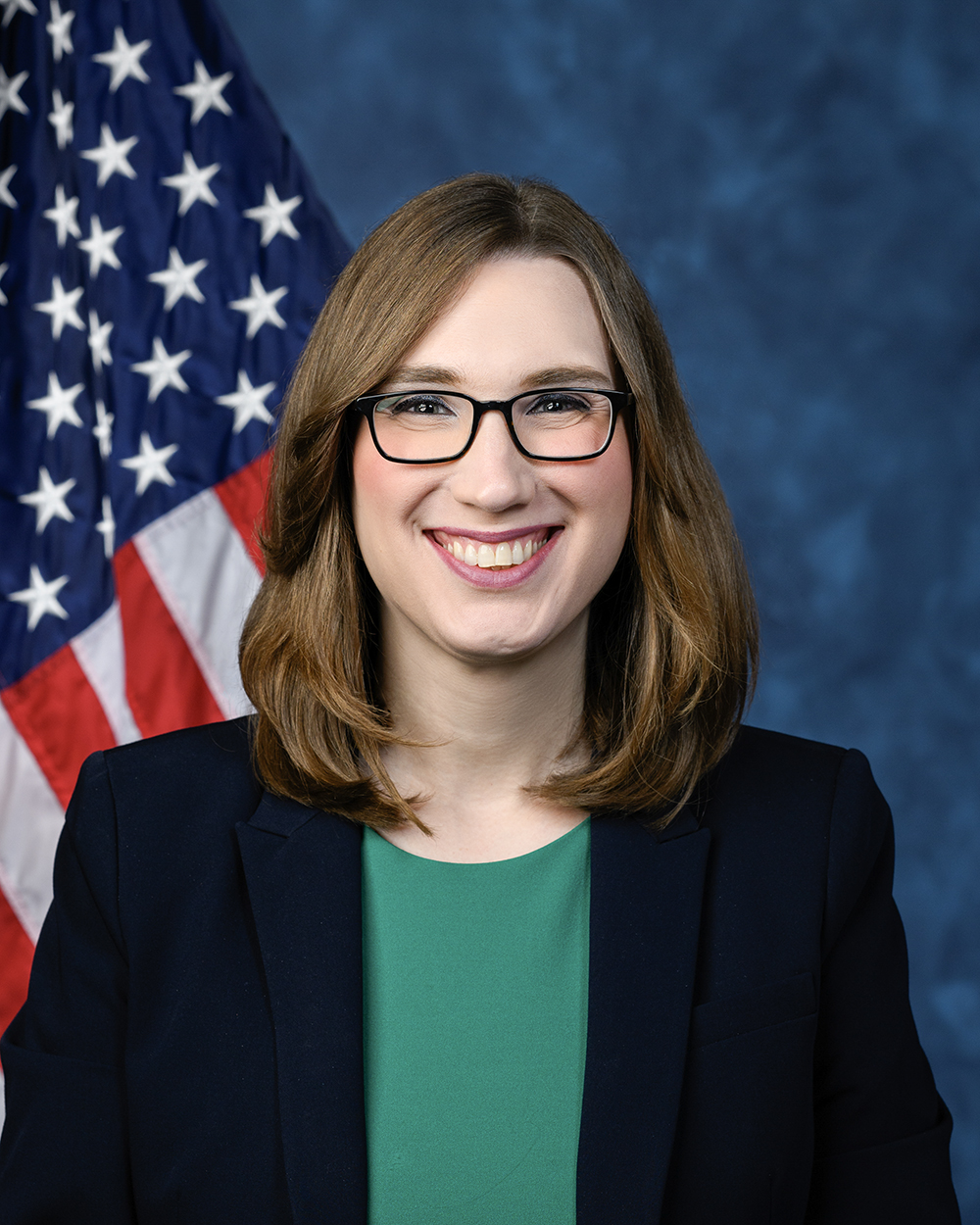
Rep. Sarah McBride
Sponsored bills
Maddy summaryHR 3876, the LIHEAP Staffing Support Act, amends the Low-Income Home Energy Assistance Act to establish staffing requirements for the program. It requires the Secretary to employ at least 20 full-time staff dedicated to administering LIHEAP, limits contractors to no more than 40% of these staff, and mandates increasing staffing to at least 30 during declared emergencies (as defined under existing law). These provisions directly affect the administrative capacity of the LIHEAP program, which provides energy assistance to low-income households. The bill focuses on ensuring consistent staffing levels to support program delivery, with specific rules for emergency periods lasting up to 180 days.
Maddy summaryThis bill requires drug labels to clearly state if a medication contains major food allergens (like peanuts, dairy, or shellfish) or gluten from grains (such as wheat, barley, or rye). It applies to human drugs sold in the U.S. and mandates manufacturers to identify these specific ingredients on labels. The requirement takes effect within two years of the bill's passage, giving companies time to update packaging. This directly affects drug manufacturers and helps people with allergies make safer choices by providing clear ingredient information.
Maddy summaryThis bill expands Medicare coverage for diabetes self-management training. It requires Medicare to cover 10 initial hours of training plus 2 additional hours annually for beneficiaries with diabetes, eliminating cost-sharing (like copays) for these services. The policy directly affects Medicare beneficiaries with diabetes by making essential education and training fully covered. The changes apply to services provided on or after January 1, 2027.
Maddy summaryThis bill expands Medicare coverage for mental health services provided by clinical social workers to seniors in skilled nursing facilities. It removes an exclusion that previously prevented these services from being covered under Medicare's skilled nursing facility payment system. The bill specifically adds defined mental health service codes (including those for assessment and treatment) to Medicare's coverage, ensuring seniors can access these services without additional barriers. These changes will take effect for services provided on or after January 1, 2026.
Maddy summaryThis non-binding House resolution urges the President to appoint a Special Envoy for Sudan to lead U.S. diplomatic efforts addressing the ongoing conflict and humanitarian crisis. It specifically calls for the envoy to coordinate with the Middle East Special Envoy, secure humanitarian access, and advance U.S. national security interests. The resolution highlights that over 13 million people have been displaced and 30 million require aid in Sudan, with regional instability and extremist threats escalating. It also requests the State Department elevate Sudan as a strategic priority and ensure robust humanitarian assistance. The resolution reflects the House's view that a dedicated envoy would strengthen U.S. diplomatic engagement to support peace and stability.
Maddy summaryHR 3757, the Pride In Mental Health Act of 2025, provides $20 million annually (2026-2030) to fund grants for mental health services targeting LGBTQ+ youth, including nonbinary, intersex, and Two Spirit youth, and their families/caregivers. The bill mandates grantees to provide trauma-informed care, cultural competency training, school bullying prevention guidelines, and evidence-based practices while explicitly prohibiting the use of funds for conversion therapy or its promotion. It also requires the federal government to restore mental health reports on LGBTQ+ youth, conduct a national survey measuring mental health distress, and produce a report on mental health services for LGBTQ+ youth in foster care. The law directly affects these youth populations by expanding access to tailored mental health resources and data collection, with funding administered through the Substance Abuse and Mental Health Administration.
Maddy summaryThe bill's title ("Protect Vulnerable Immigrant Youth Act") does not align with its actual provisions. HR 3763 amends two sections of the Immigration and Nationality Act to adjust employment-based visa categories, specifically adding "or (J)" to existing numerical limitations and preference allocation rules. These changes would affect certain employment-based visa applicants (e.g., those in categories like "J" for religious workers or other specific employment groups) by removing numerical caps that previously applied to them. The bill contains no provisions related to youth protection, immigration status for minors, or direct safeguards for vulnerable immigrant youth.
Maddy summaryHR 3762, the Supporting Healthy Moms and Babies Act, requires health insurance plans to cover comprehensive prenatal, childbirth, neonatal, perinatal, and postpartum care without cost-sharing (like copays or deductibles). It mandates specific services including ultrasounds, care for pregnancy loss, delivery support, and postpartum behavioral health services for conditions like diabetes or hypertension. The bill applies to group health plans and individual insurance policies starting after the law's enactment, covering both biological mothers and legal parents who did not give birth. This policy directly affects insured individuals seeking maternal and newborn healthcare, ensuring these essential services are fully covered under existing Affordable Care Act requirements.
Maddy summaryHR 3708, the "No Place for LGBTQ+ Hate Act," repeals five specific executive orders targeting LGBTQ+ rights and blocks federal funding for their implementation. It directly affects transgender, nonbinary, intersex, and gender-nonconforming individuals by reversing policies that: mandated discrimination in employment/healthcare (EO 14168), reinstated a military ban (EO 14183), restricted transgender youth healthcare (EO 14187), barred transgender female students from sports (EO 14201), and required schools to deny transgender existence (EO 14190). The bill’s key mechanism prohibits federal funds from being used to enforce these orders, effectively nullifying them. This is a procedural repeal bill focused on reversing specific executive actions, not creating new laws.