

Maddy summaryThe RETURN Act requires the IRS to provide taxpayers with a detailed written explanation whenever a refund claim is denied, including specific instructions on how to appeal the decision. If the agency fails to issue this explanation within 12 months of receiving the claim, the interest rate on the taxpayer's overpayment will increase by one percentage point, capped at $500 and adjusted for inflation after 2026. The law explicitly excludes frivolous claims from these requirements, though taxpayers still receive written notification of denial for such cases. This legislation directly affects individuals and businesses filing for tax refunds by mandating clearer communication and imposing financial penalties on the IRS for delays in processing refund determinations.
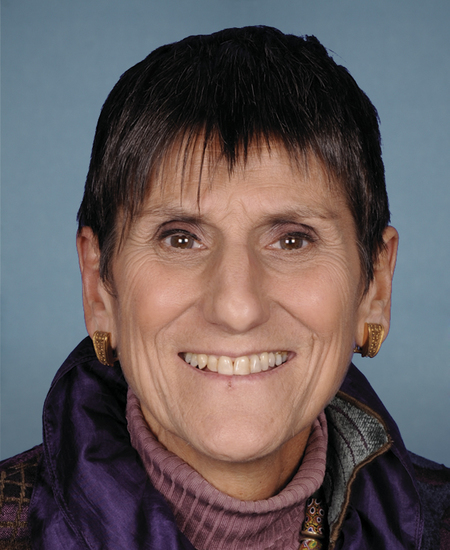
Rep. Rosa L. DeLauro
Sponsored bills
Maddy summaryThis bill, known as the Wage Theft Prevention and Wage Recovery Act, aims to combat unpaid wages by strengthening penalties for employers who violate federal labor laws and providing workers with better tools to recover stolen money. It directly affects employees across industries who are currently at risk of not receiving their full compensation for hours worked, tips, or benefits. Key provisions require employers to provide detailed paystubs and final payments within 14 days of termination, increase civil fines for violations, and extend the time limit for workers to file lawsuits from two to four years. Additionally, the legislation creates a new grant program to fund community partnerships between the Department of Labor and local organizations to educate workers, assist with claims, and improve enforcement efforts.
Maddy summaryThis bill strengthens child labor protections by expanding the definition of hazardous work for minors, particularly in dangerous industries like mining and explosives, and requires the government to update these regulations every five years. It imposes strict rules on companies with federal contracts, prohibiting them from using child labor in their supply chains and holding them jointly liable if their subcontractors violate these rules. The legislation also increases penalties for violations, including higher fines for serious injuries or deaths, allows for stop-work orders, and enables victims to seek significant compensatory and punitive damages. Additionally, the bill mandates training programs to help identify and prevent child labor abuses and requires the Department of Labor to report annually on work-related injuries and deaths.
Maddy summaryThe Keep Public Funds in Public Schools Act of 2026 eliminates a federal tax credit that allowed parents to deduct contributions to scholarship granting organizations from their income. By removing these specific tax breaks, the bill prevents the use of public tax dollars to support private school vouchers and scholarship programs. This change directly affects families who currently rely on these tax incentives to fund education outside the public school system. The provisions take effect for taxable years beginning after December 31, 2026.
Maddy summaryThe Child Safety and Well-Being Act of 2026 establishes a new federal Children's Commission to advocate for the interests of all children and marginalized youth. This 15-member body, appointed by the Comptroller General, will include experts, advocates, and young people with lived experiences to review federal policies and regulations affecting child well-being. The Commission will conduct research, issue public reports, and provide written comments on agency actions to ensure children's perspectives are considered in government decisions. Additionally, the bill creates a Children's Commissioner to lead the commission and facilitates the collection of data on how laws impact vulnerable populations.
Maddy summaryHR 5408, the Faster Labor Contracts Act, requires employers to begin negotiating a first contract with a newly certified union within 10 days of written request. If no agreement is reached within 90 days, the parties must seek mediation, and if unresolved after 30 days of mediation, the dispute moves to binding arbitration by a three-member panel. The arbitration decision, based on factors like employer finances, industry standards, and cost of living, becomes binding for two years. This bill directly affects newly certified unions and their employers during initial contract negotiations, aiming to reduce delays that currently average 465 days.
Maddy summaryThe No Toxic Chemicals in Food Packaging Act of 2026 prohibits the use of specific chemicals, including PFAS, certain phthalates, and bisphenols, in materials that come into contact with food. This law directly affects manufacturers and distributors of food packaging by requiring the FDA to consider potential health risks to vulnerable populations, such as children and pregnant women, when evaluating alternative substances. While the federal restrictions do not take effect for two years after enactment, the bill explicitly preserves the right of states and local governments to pass stricter regulations on food additives.
Maddy summaryThe Fostering TRUST Act of 2026 requires the Department of Veterans Affairs to notify Congress and local representatives whenever a veteran commits or attempts suicide within a VA facility or an associated care provider. This notification must occur within seven days of the incident and include the facility location, along with detailed personal data such as the veteran's demographics, service history, medical insurance status, and housing situation within 60 days. The bill also mandates that these reports include guidance on suicide warning signs, available support resources, and best practices for securing lethal means while ensuring the privacy and dignity of the veteran and their family.
Maddy summaryH.Res. 1320 is a non-binding resolution that calls on all Americans to honor military personnel who died while serving in the pursuit of freedom and peace on Memorial Day 2026. The bill does not create new laws or change any policies; instead, it serves as a formal expression of gratitude and remembrance from the House of Representatives. Because it is a commemorative resolution rather than a procedural or funding measure, it has no direct legal effect on individuals or government operations.
Maddy summaryThis bill, known as the Physician Education for Fistula Treatment Act, aims to prevent and treat obstetric fistula, a serious childbirth injury caused by prolonged labor without medical care, primarily affecting women in the world's poorest nations. It authorizes funding to train and retain obstetrician-gynecologists and urogynecology specialists in least developed countries through new fellowship programs, residency training, and specialized medical centers. Additionally, the legislation requires the President to create a comprehensive ten-year strategy to address the shortage of physicians in these regions, focusing on prevention, treatment, and strengthening local health infrastructure. The bill also mandates that relevant government agencies submit annual reports to Congress on the progress and effectiveness of these international health initiatives.