

Maddy summaryThe Public Service Freedom to Negotiate Act of 2024 establishes federal minimum standards for collective bargaining rights for public employees and supervisory employees. The Federal Labor Relations Authority will determine if each state's laws "substantially provide" for these rights, and if not, federal standards will apply to that state. These standards include the right to self-organization, collective bargaining, recognition of labor organizations, and procedures for resolving disputes. The bill preserves existing collective bargaining agreements and excludes certain employee categories like emergency services workers from some provisions.
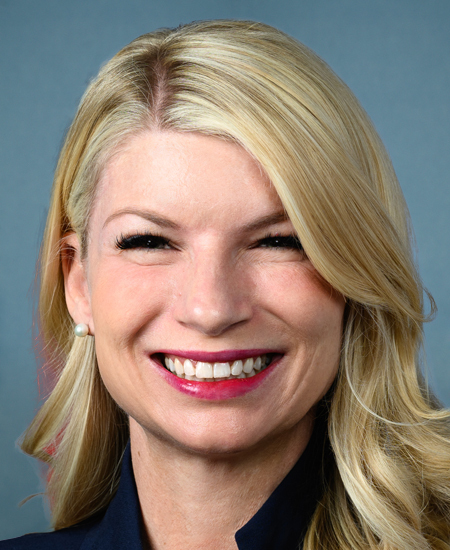
Rep. Brittany Pettersen
Sponsored bills
Maddy summaryHR 3950, the TICKET Act, requires ticket sellers (including primary issuers and secondary markets like StubHub) to clearly show the total price and itemized fees (like service or delivery charges) before a customer selects a ticket. It also mandates sellers without actual ticket possession to disclose this upfront, preventing "speculative" sales. The bill applies to all event tickets sold online or through marketing, ensuring consumers see the full cost - including base price and all fees - before purchasing. The Federal Trade Commission enforces these rules under existing laws, treating violations as deceptive practices. This directly affects ticketing companies and secondary sellers by eliminating hidden fees and misleading sales tactics.
Maddy summaryThis bill requires Medicare to pay separately for certain high-cost diagnostic drugs used in nuclear imaging (like those for cancer detection) starting in 2024. It applies to drugs with a daily cost of $500 or more (adjusted annually), ensuring they are not bundled with other services. Payments will be based on either the drug's average sales price or wholesale cost, with adjustments to keep overall Medicare spending unchanged. This directly affects Medicare Part B providers (hospitals, clinics) and beneficiaries receiving these specific diagnostic treatments.
Maddy summaryHRES 1206 is a symbolic House resolution supporting the designation of May 2024 as "Mental Health Awareness Month." It does not create new laws or funding but aims to raise public awareness about mental health challenges, emphasizing the need to reduce stigma and treat mental well-being as equally important as physical health. The resolution cites statistics on rising mental health crises - including increased anxiety, depression, and suicide rates among youth, LGBTQ+ individuals, veterans, and communities of color - to underscore the urgency of the issue. It encourages nationwide efforts to promote mental health awareness and access to care during this designated month.
Maddy summaryHRES 1201 is a symbolic House resolution supporting the designation of May 9, 2024, as "National Scam Survivor Day." It does not create new laws or funding but aims to raise awareness about scams affecting Americans, citing 2023 data showing over 2.6 million fraud reports and $10+ billion in losses. The resolution encourages public awareness, improved access to scam prevention resources, and collaboration among government, private, and nonprofit groups to support survivors and combat scams. It specifically highlights vulnerabilities among veterans, seniors, and young adults targeted by evolving scam tactics like AI-generated fraud.
Maddy summaryHRES 1203 is a symbolic resolution designating July 17, 2024, as "Glioblastoma Awareness Day." It expresses congressional support for raising public awareness about glioblastoma, a highly aggressive brain cancer with a 6.9% 5-year survival rate and limited treatment options. The resolution encourages greater public understanding of the disease's challenges, honors those affected by it, and urges continued research and collaboration. This is a non-binding awareness measure with no new funding or policy changes.
Maddy summaryThis bill authorizes the placement of a memorial honoring women who contributed to World War II efforts on the National Mall or adjacent federal land in Washington, D.C. It specifically removes a location restriction (under 40 U.S.C. § 8908) to allow the memorial - previously authorized by the 2023 Consolidated Appropriations Act - to be situated within Area I of the National Mall or the National Mall Reserve. The memorial would commemorate over 18 million women who worked as pilots, engineers, mechanics, and codebreakers during the war. The bill directly affects the Women Who Worked on the Home Front Foundation, which is tasked with establishing the memorial.
Maddy summaryHR 8231, the James Earl Jones Congressional Gold Medal Act, authorizes a Congressional Gold Medal to be awarded to actor James Earl Jones in recognition of his distinguished career in theater and film, and his role in advancing inclusion and equal opportunities for people of all backgrounds in the entertainment industry. The Treasury will strike the medal with an image and inscription of Jones, and may produce and sell bronze duplicates to cover costs, with proceeds deposited into the U.S. Mint's public enterprise fund. This bill serves as a ceremonial honor with no new legal requirements or policy changes.
Maddy summaryHR 4389, the Migratory Birds of the Americas Conservation Enhancements Act of 2023, amends the Neotropical Migratory Bird Conservation Act to increase federal funding for conservation projects from 25% to 33.3% of eligible costs. It extends the authorization period for funding through 2028 and requires the Secretary to submit a report to Congress on collaboration efforts with partners. This bill directly affects conservation organizations, state governments, and local groups that receive federal funds to protect migratory birds traveling between the U.S. and the Neotropics (Central and South America, Caribbean). The changes provide more stable financial support and accountability for existing bird conservation programs.
Maddy summaryThis bill establishes a federal program to help low-income households pay water and wastewater bills. It targets households receiving certain federal benefits (like SNAP, SSI, or LIHEAP) or with income below 150% of the poverty level, defined by state-specific thresholds. The program provides grants to states and tribes based on poverty rates or high housing cost burdens, with $1.1 billion authorized, to cover arrearages and service rates for eligible households. Funds cannot replace existing assistance but may supplement other programs, and the program will transfer to the EPA after a specified date.