

Maddy summaryThis bill would change how Social Security cost-of-living adjustments are calculated by creating a new Consumer Price Index for Elderly Consumers (CPI-E) that tracks spending patterns specific to seniors aged 62 and older. It would also modify tax calculations for high earners by applying declining percentages of income above the Social Security tax cap (from 86% in 2026 down to 0% after 2031) for both wages and self-employment income. Additionally, the bill would adjust benefit calculations to include "surplus earnings" above the tax cap for individuals with high lifetime earnings. These changes would primarily affect Social Security beneficiaries and high-earning workers, particularly those becoming eligible for benefits after 2025.
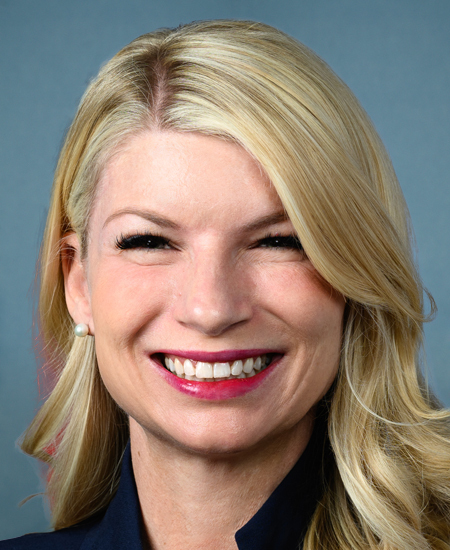
Rep. Brittany Pettersen
Sponsored bills
Maddy summaryThe PUPP Act of 2025 creates a federal grant program to fund housing for unhoused people who have pets. It authorizes $5 million annually (2026-2030) for grants to local governments, nonprofits, or housing providers to build or retrofit properties that offer both human housing and pet-friendly accommodations. Key requirements include on-site veterinary care for pets (spaying, vaccinations, etc.), supportive services like mental health counseling for residents, and coordination with local animal care providers. This directly affects unhoused individuals with pets - often excluded from standard shelters - and the organizations managing these housing programs.
Maddy summaryHR 4894, the Deceptive Practices and Voter Intimidation Prevention Act of 2025, prohibits the intentional spread of false information about voting procedures, eligibility, or penalties within 60 days of an election. The bill specifically targets deceptive communications through social media, text messages, and AI-generated content designed to prevent voters from casting ballots, including false claims about voting locations, registration status, or legal consequences. It creates a private right of action for individuals harmed by these deceptive practices and authorizes the Attorney General to issue corrective information to counter false claims. The law directly affects voters, election officials, social media platforms, and anyone spreading false voting information, with penalties including fines and imprisonment for violations.
Maddy summaryThe Ending Homelessness Act of 2025 would expand housing assistance to reduce homelessness through several key provisions. It would allocate 500,000 additional housing choice vouchers in 2025, increasing to 1 million annually by 2028 for extremely low-income families and individuals receiving supplemental security income. The bill prohibits housing discrimination based on source of income (including housing vouchers and Social Security benefits), provides $1 billion annually for emergency relief grants targeting high-need areas, and establishes a permanent entitlement program for housing vouchers starting in 2029. It also repeals certain ineligibility criteria for housing assistance and makes faith-based and private nonprofit organizations eligible for funding.
Maddy summaryThe CREATE Act increases tax credit limits for film and television productions, raising the annual spending cap from $15 million to $30 million for qualified productions and adjusting related thresholds from $20 million to $40 million. It adds an annual inflation adjustment mechanism to these limits starting in 2026, automatically increasing them based on the cost-of-living index. The bill extends the program's expiration date from December 31, 2025, to December 31, 2030. This directly affects producers of eligible entertainment projects by expanding available tax credits and providing long-term stability for the industry. The changes apply to productions starting in taxable years ending after December 31, 2025.
Maddy summaryThis bill adjusts health insurance subsidies by modifying the premium tax credit structure under the Internal Revenue Code. It replaces previous income thresholds with a sliding-scale formula, increasing subsidies for households earning between 150% and 400% of the federal poverty level - reducing their required premium payments as income rises within these tiers. The changes apply to tax years beginning after December 31, 2025, directly affecting middle-income individuals and families purchasing coverage through health insurance marketplaces. It also repeals specific provisions from a prior reconciliation law related to health care.
Maddy summaryHRES 617 is a symbolic resolution supporting Fentanyl Prevention and Awareness Day, observed annually on August 21. It does not create new laws or policies but formally encourages the public to promote awareness of illicit fentanyl dangers and support drug-free lifestyles. The resolution urges communities, schools, and organizations to engage in prevention education, particularly for youth, and to participate in activities that foster healthy, drug-free communities. It directly affects all U.S. citizens by calling for collective action to address the fentanyl crisis, which claimed over 82,000 lives in 2024. This resolution was introduced by Rep. Carter (GA) and Rep. Tonko and referred to the Energy and Commerce Committee.
Maddy summaryHR 4796, the Restoring Essential Healthcare Act, repeals a provision that blocked Medicaid payments to certain healthcare providers during a specific period. It directly affects Medicaid beneficiaries who received care from these providers between the enactment of the prior law (Public Law 119-21) and this bill's enactment. The key provision retroactively restores Medicaid payments for services already provided during that blocked period, treating the payment restriction as if it never existed. This change ensures eligible individuals and providers receive reimbursement for covered care delivered during the prohibited timeframe.
Maddy summaryThis bill amends Medicare rules to improve payment for air ambulance services. It requires air ambulance providers to submit detailed cost and revenue data every three years (including fixed costs per base, utilization rates, and revenue) to the Medicare Secretary. The Secretary must then revise fee schedules based on this data and stakeholder input, aiming to better align payments with actual costs. A separate provision mandates the GAO to study average operating costs, payment adequacy, geographic variations, and make recommendations within one year of data collection starting. The bill directly affects Medicare beneficiaries using air ambulances and the providers operating those services.
Maddy summaryHR 4696 amends Section 249 of the Immigration and Nationality Act to update eligibility for a registry program that provides a pathway to legal status for long-term residents. It changes the requirement from entering the U.S. before January 1, 1972, to entering at least 7 years before the application date. This adjustment bases eligibility on a rolling 7-year window instead of a fixed historical cutoff, allowing more recent long-term residents to qualify. The bill directly affects individuals who entered the U.S. after 1972 but maintained continuous residence for at least seven years prior to applying.