

Maddy summaryThe No Taxpayer-Funded Settlement Slush Funds Act of 2026 prohibits the use of federal money to pay specific settlements involving high-ranking government officials and their close associates. It bars payments to the President, Vice President, their immediate families, cabinet members, senior executive staff, political appointees, and individuals connected to these roles, as well as any entity owned by the President or Vice President. Additionally, the bill restricts settlements related to claims about the January 6 Capitol attack, foreign election interference, or previously dismissed lawsuits, while requiring Treasury reports for large settlements and allowing the government to seek repayment if rules are broken.
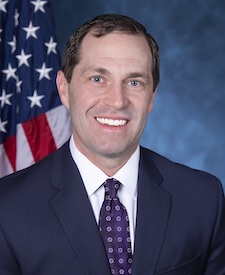
Rep. Jason Crow
Sponsored bills
Maddy summaryThis resolution formally recognizes the critical role of the United States Special Operations Forces community in national defense and expresses support for the designation of SOF Week. The bill highlights the specialized training, dangerous missions, and unique contributions of these military units and their families to the nation's security. By passing this measure, the House of Representatives aims to honor the bravery and dedication of SOF personnel while acknowledging the importance of their annual conference.
Maddy summaryThe SMART Community Policing Act expands federal funding for community policing programs to help law enforcement better assist individuals facing mental health crises, homelessness, or substance use disorders. It authorizes the use of COPS funds to create mobile crisis teams staffed with mental health professionals and paramedics, as well as co-responder programs that pair officers with behavioral health clinicians to de-escalate volatile situations. Additionally, the bill supports hiring case management teams to connect people with needed services and help them adhere to treatment plans, aiming to reduce repeated interactions with emergency responders.
Maddy summaryThe Protecting Our Democracy Act is a comprehensive legislative bill designed to prevent abuses of presidential power, restore checks and balances, and defend elections against foreign interference. Key provisions include prohibiting the President from granting self-pardons, requiring congressional oversight for pardons involving the President or their family, and banning the President from accepting payments from individuals who have received clemency. The bill also strengthens enforcement of the Hatch Act and ethics rules for political appointees, mandates greater transparency in presidential tax returns and campaign finances, and restricts the use of federal property for political conventions. Additionally, it expands reporting requirements for foreign contacts in federal campaigns and imposes stricter penalties for violations of election laws.
Maddy summaryThis bill prohibits the U.S. government from spending money on military actions against Iran between its enactment and December 31, 2026, unless Congress explicitly approves the use of force. It allows for military action only if Congress declares war, passes a specific authorization, or if the action is necessary to defend the United States or its allies from an imminent attack while following reporting requirements. The law directly restricts the President's ability to deploy troops without legislative approval during the specified timeframe.
Maddy summaryThe Vote by Mail Protection Act of 2026 directly affects the federal government by nullifying Executive Order 14399, which previously required citizenship verification in federal elections. This legislation prohibits any federal agency from enforcing the order or using taxpayer funds to carry out its activities. By repealing the executive order, the bill removes the mandate for agencies to verify citizenship as a condition for voting in federal elections.
Maddy summaryThis bill proposes to ban Members, officers, and employees of the House of Representatives from trading in prediction markets that bet on specific events or contingencies. The rule would prohibit these individuals from entering into contracts or agreements involving excluded commodities, though it explicitly allows for standard insurance policies and legal sports betting. Additionally, the resolution expresses the House's preference that the executive and judicial branches adopt similar restrictions to prevent conflicts of interest.
Maddy summaryThis bill, titled the Protecting Human Rights and Public Health in Foreign Assistance Act, aims to cancel specific regulations issued by the Department of State. It directly affects the federal government by prohibiting any department or agency from enforcing, implementing, or proposing rules related to protecting life, combating discriminatory equity ideology, and combating gender ideology in foreign aid programs. The legislation treats these cancelled rules as if they never existed, effectively nullifying their impact on future foreign assistance policies.
Maddy summaryThe Western Tribal Water Act of 2026 directs federal funding to improve drinking water infrastructure for tribes in the Upper Colorado River Basin. Specifically, it amends an existing program to include ten eligible projects within this region and allocates $60 million for each of fiscal years 2027 and 2028. This legislation aims to address critical water supply needs and aging infrastructure, such as the $50 million project planned for the Ute Mountain Ute Tribe. The bill does not create new agencies or alter tribal sovereignty, but rather expands financial resources available through current federal mechanisms.
Maddy summaryHR 5543, the Baltic Security Assessment Act of 2025, requires the U.S. State and Defense Departments to submit a report within 180 days of enactment. The report will assess emerging military, cyber, hybrid, and political threats to Estonia, Latvia, and Lithuania, including the roles of Russia, Belarus, China, Iran, and other actors. It will also evaluate U.S. and NATO military presence in the region, opportunities for defense cooperation, and recommendations to strengthen deterrence, cybersecurity, and democratic resilience in the Baltic countries. This bill directly affects U.S. foreign policy and defense planning regarding the Baltics, but does not create new programs or funding.