

Maddy summaryHR 6124, the Cybersecurity Skills Integration Act, establishes federal grants to help community colleges and critical infrastructure employers develop cybersecurity-focused career training programs. The bill provides up to $500,000 per grant to partnerships between postsecondary institutions and critical infrastructure employers (like energy or transportation sectors) to integrate cybersecurity education into existing workforce programs. These programs must align with national cybersecurity standards, include hands-on learning, lead to recognized credentials, and prioritize diversity, with applicants required to detail how they address specific workforce needs. The legislation authorizes $10 million total over time to support these initiatives, aiming to better prepare workers for in-demand cybersecurity roles in critical infrastructure.
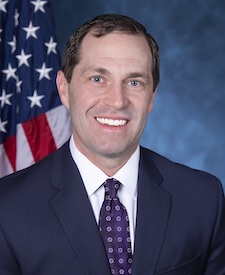
Rep. Jason Crow
Sponsored bills
Maddy summaryHR 5983, the Clean Water Act of 2023, redefines "protected water resources" under federal law to explicitly include all interstate and intrastate waters (such as intermittent and ephemeral streams), wetlands, and their tributaries. This directly affects federal agencies like the EPA, states managing water quality, and developers or landowners needing permits for activities near these waters. The bill eliminates the Supreme Court’s narrow "navigable waters" definition from Sackett v. EPA (2023), restoring protections for tens of millions of acres of wetlands and millions of miles of small streams. Key mechanisms require the EPA to annually review and adjust exclusions from protections based on scientific evidence, ensuring water bodies critical to drinking water, flood control, and ecosystems remain safeguarded.
Maddy summaryHRES 819 is a symbolic resolution recognizing the 5-year anniversary of the October 27, 2018, antisemitic attack at Pittsburgh’s Tree of Life Synagogue, which killed 11 people. It condemns antisemitism and references rising hate incidents, including the Anti-Defamation League’s 2022 report of record antisemitic activity (3,697 incidents). The resolution honors the victims, expresses solidarity with affected Jewish communities, and reaffirms the U.S. commitment to combatting hate and protecting religious freedom. As a procedural resolution (not a law), it has no binding effect but serves as a formal statement of congressional stance.
Maddy summaryThe BAD APPS Act requires the Secretary of Defense to create a risk framework assessing foreign mobile applications (like social media or shopping apps) that could threaten Department of Defense personnel or operations. It mandates defining categories of "foreign mobile applications of concern" based on factors like data collection practices, foreign ownership, malicious software, and ties to countries deemed security threats. The framework must be updated annually, and the Secretary must issue guidance to DoD personnel on mitigating risks from these apps on government devices or during official activities. The bill directly affects DoD personnel, operations, and contractors by establishing standardized security assessments for foreign apps.
Maddy summaryHRES 771 is a non-binding resolution expressing the U.S. House of Representatives' support for Israel following Hamas' October 7, 2023, attack. It condemns Hamas' actions, affirms Israel's right to self-defense, and calls for the immediate release of hostages. The resolution also urges enforcement of existing laws restricting aid to terrorists and sanctions against Iran for supporting Hamas. It does not create new policies or allocate funds, as it is a symbolic statement of congressional support.
Maddy summaryHRES 768 is a symbolic House Resolution expressing congressional support for Israel following Hamas' October 7, 2023 attacks. It condemns Hamas' actions, reaffirms Israel's right to self-defense, and calls for the immediate release of hostages. The resolution references the U.S. commitment to Israel's security through existing military aid programs, including the 2016 U.S.-Israel Memorandum of Understanding, and emphasizes enforcement of laws like the Taylor Force Act to prevent U.S. aid from reaching terrorist groups. As a symbolic resolution, it does not create new policy but serves as a statement of congressional support for Israel.
Maddy summaryThis bill authorizes a one-time $40,000 payment to former Air America employees who served at least five years during 1950-1976, or to their survivors (widows/widowers, dependents, or children). Additional $8,000 payments are provided for each full year of service beyond five years. The total funding is capped at $60 million, with claims due within two years of regulations being finalized. It does not create ongoing benefits or change Air America’s legal status, and payments are issued as a single lump sum.
Maddy summaryThe Safe Schools Improvement Act (HR 6031) requires public elementary and secondary schools to implement comprehensive anti-bullying policies that specifically prohibit harassment based on protected characteristics like race, gender identity, disability, religion, and sexual orientation. It mandates schools to collect and publicly report annual data on bullying incidents while establishing clear grievance procedures for students and parents. The bill also requires states to submit biennial reports on school compliance and supports evidence-based interventions, such as restorative practices, to reduce exclusionary discipline. This legislation directly affects all public K-12 schools and students in the U.S., aiming to create safer learning environments through standardized policy requirements and data transparency.
Maddy summaryThe Medical Debt Relief Act of 2023 would prevent credit bureaus from reporting medical debt on credit reports and stop creditors from using medical debt information when making credit decisions. It defines medical debt as any debt related to medical services, products, or devices, and requires the removal of existing medical debt entries from credit reports. Within one year of enactment, the Consumer Financial Protection Bureau must update regulations to prohibit creditors from considering medical debt in loan or credit applications. This directly affects consumers with medical debt (who may see improved credit scores) and creditors (who must adjust their credit evaluation practices).
Maddy summaryHR 5939, the Small Business Succession Planning Act, creates a new program within the Small Business Administration (SBA) to help small businesses develop succession plans. The SBA will provide a public toolkit, train advisors, and offer counseling to help business owners plan for transitions due to retirement or death. Small businesses that establish and successfully execute a certified succession plan receive a $250 tax credit for each step, with repayment required if the business is later acquired by a non-small business entity within three years. The bill directly affects small business owners (as defined by SBA rules), particularly those from disadvantaged backgrounds, by providing concrete financial incentives and resources to ensure business continuity.