

TAP Promotion Act This bill requires that pre-separation counseling under the Transition Assistance Program include a presentation that promotes the benefits available to veterans from the Department of Veterans Affairs (VA). The bill also requires the VA to annually report on the presentation to (1) identify veterans service organizations that participate, (2) provide the number of members of the Armed Forces who attend, and (3) provide any recommendations for changes to the presentation.
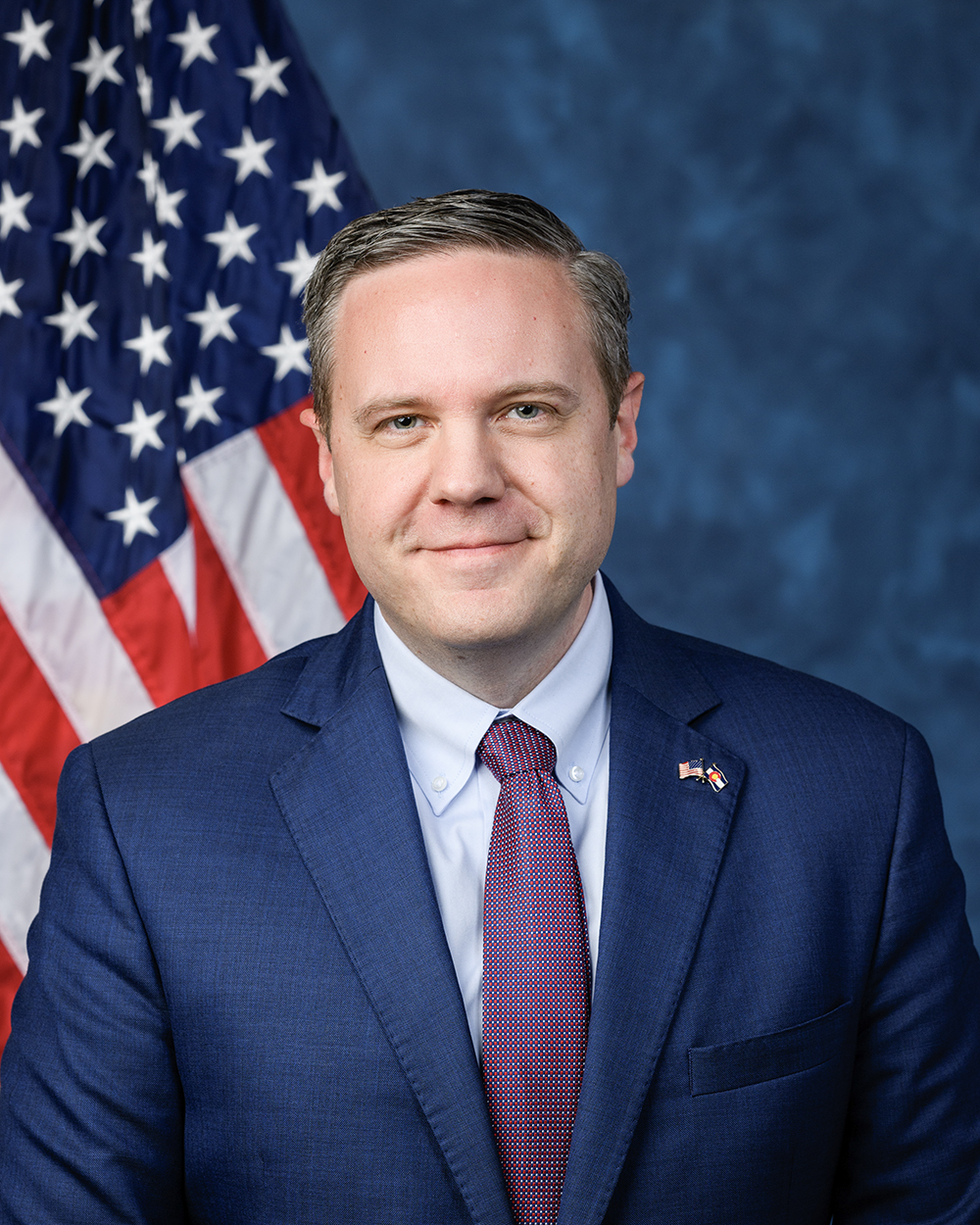
Rep. Jeff Hurd
Sponsored bills
Maddy summaryHRES 230 is a non-binding resolution expressing Congress's sense that the U.S. Congress and administration must urgently collaborate on food and agricultural trade policies. It directly affects U.S. farmers, ranchers, and the $9.6 trillion agricultural sector, which supports millions of jobs and generates significant exports. The resolution calls for concrete actions including securing new market access, enforcing trade agreements, eliminating unjustified trade barriers (like tariffs and nontariff restrictions), and using science-based approaches to strengthen global trade. It emphasizes addressing a 9% decline in 2023 agricultural exports and a projected $37 billion trade deficit, contrasting with historical trade surpluses.
Maddy summaryThe Air America Act of 2025 authorizes one-time payments of $40,000 to individuals who worked for Air America or its affiliated companies for at least five years during 1950-1976, or to their surviving spouses, children, or dependents. Additional payments of $8,000 per full year beyond five years are allowed. The program is capped at $60 million total funding, with claims required within two years of final regulations. Payments are a single lump sum with no ongoing benefits, and the bill explicitly states it does not create new entitlements beyond this one-time award.
Maddy summaryThe FOCA Act of 2025 prohibits federal agencies from requiring or banning contractors from using union agreements in construction project bids or contracts. It directly affects federal agencies, contractors, and subcontractors working on federally funded or assisted construction projects (like buildings or infrastructure). The law requires bid documents to not favor or penalize contractors based on whether they have union agreements, aiming to promote open competition and prevent discrimination. This changes how agencies structure bids but does not affect union agreements themselves. The bill applies to all new contracts and subcontracts after enactment, with limited exemptions only for public health/safety emergencies or national security.
Safe Routes Act of 2025 This bill directs the Department of Transportation to waive vehicle weight limits for covered logging vehicles, thus allowing logging vehicles to travel on interstate highways in certain circumstances. The term covered logging vehicle means a vehicle that (1) is transporting raw or unfinished forest products, including logs, pulpwood, biomass, or wood chips; (2) is traveling a distance not greater than 150 air miles on interstate highways from origin to a storage or processing facility; and (3) meets state legal weight tolerances and vehicle configurations for transporting raw or unfinished forest products within the state boundaries in which the vehicle is operating.
Maddy summaryThis bill changes how individual investors in mutual funds (regulated investment companies) are taxed on certain dividends. It allows investors to defer paying tax on capital gain dividends that are automatically reinvested in additional fund shares through a dividend reinvestment plan. The deferred tax is recognized later when the investor sells shares or upon their death. It also establishes that shares acquired through this reinvestment are treated as held for over one year from the start, potentially qualifying for long-term capital gains rates. The rule applies only to individual investors (not estates, trusts, or dependents claimed by others).
Maddy summaryHR 2042 establishes the Space National Guard as a reserve component of the Space Force, specifically for seven states (Alaska, California, Colorado, Florida, Hawaii, New York, and Ohio). It transfers existing Air National Guard space units - like the 213th Space Warning Squadron in Alaska and the 137th Space Warning Squadron in Colorado - to this new structure, while prohibiting additional personnel or new facilities. The bill requires the Secretary of the Air Force to implement the change within one year and provide annual reports to Congress on its status, missions, and funding. This reorganization officially recognizes these state-based units as part of the Space Force reserve without creating new military capabilities or infrastructure.
Maddy summaryThis bill adjusts probationary periods for certain federal employees who were involuntarily separated between January 20, 2025, and January 20, 2029. It allows eligible employees (those separated while on probation in an Executive agency) to count their prior service time toward a new probationary period when rehired into a similar position with their former agency. Specifically, the new probation period equals the original required duration minus the time already served in their previous federal role. The law expires on January 20, 2029, and applies only to appointments matching the employee’s prior position.
Maddy summaryHR 1997, the Productive Public Lands Act, requires the Bureau of Land Management (BLM) to reissue nine specific existing resource management plans within 60 days of enactment, updating their "preferred alternatives" as previously selected. The bill directly affects BLM field offices managing public lands in Colorado, Wyoming, and other areas covered by these plans. Key provisions formally deem these reissued plans compliant with environmental laws (like NEPA) and eliminate the need for additional environmental reviews. This is a procedural bill finalizing prior decisions, not creating new land use policies.
Maddy summaryThis bill ensures military personnel, civilian Defense workers, and supporting contractors continue receiving pay during government funding gaps in fiscal year 2025. It provides temporary funding from existing Treasury reserves to cover salaries for active-duty troops, reservists, Defense civilians, and contractors supporting military operations until Congress passes a full budget or by January 1, 2026. The measure directly affects all active-duty service members, reserve components, and their civilian/contractor support staff across the military. It does not create new policies but guarantees uninterrupted pay during budget implementation delays.