

Maddy summaryHR 6036 ensures veterans who served in female cultural support teams (FCS) during 2010-2021 receive proper military records and veterans benefits. The bill requires the military to add FCS service to individual records and count it toward retirement pay, while treating this service as "engagement in combat" for disability claims. Veterans can now submit supplemental claims for service-connected disabilities like PTSD or brain injuries, with the VA improving claim processing and outreach. It also mandates a study to identify other veterans with similar unrecorded service and a report on covered claims by gender and record status. This directly affects women who served in FCS teams but were previously excluded from combat-related benefits.
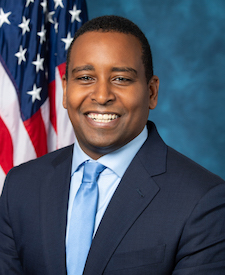
Rep. Joe Neguse
Sponsored bills
Maddy summaryThis bill allows Inspector General (IG) offices to continue operating during government funding gaps. It permits IGs to spend funds at the previous year's funding rate to cover basic operations and oversee programs that remain active when Congress hasn't passed new appropriations. The law directly affects federal IGs and the agencies they monitor, ensuring oversight continues without interruption during shutdowns. It amends existing law to provide this authority without requiring new appropriations.
Maddy summaryThis bill establishes fairer pay and retirement benefits for federal firefighters. It requires that overtime hours worked during a firefighter's regular schedule be included in retirement calculations, improving retirement payouts. The bill also sets a maximum 60-hour regular workweek for federal firefighters, to be defined by the Office of Personnel Management within one year. These changes directly affect federal firefighters by addressing pay disparities with municipal firefighters and enhancing recruitment and retention.
Maddy summaryHRES 581 is a procedural resolution that establishes rules for the House to consider H.R. 185, the Epstein Files Transparency Act. It waives all points of order against the bill, adopts a specific amendment (the full text of the Epstein Files Transparency Act), and limits debate to one hour equally divided between the Judiciary Committee's chair and ranking minority member. The resolution also requires the Attorney General to release unclassified DOJ records related to Jeffrey Epstein within 30 days, with limited exceptions for privacy or national security.
Maddy summaryThe FAIR Act requires immigration detention centers to provide detained immigrants with access to forms needed to contact their congressional representatives, including a Privacy Waiver form (ICE Form 60-001) and a Congressional Privacy Release form, upon written request. Detainees must receive these forms and a multilingual handbook explaining constituent services within 90 days of the bill’s enactment, with the handbook provided in their language or via interpreter. Centers must notify the detainee’s congressional office within seven days of a request and allow access to communication tools like computers and printers for ongoing contact. Failure to comply allows detainees to file complaints or sue in federal court, with enforcement mechanisms detailed in the bill. The law takes effect 90 days after enactment.
Maddy summaryThe Global Respect Act (HR 6151) requires the U.S. President to publicly list foreign officials responsible for severe human rights violations against LGBTQI individuals, including torture, prolonged detention, or violence based on sexual orientation or gender identity. It mandates denying visas and entry to listed individuals and requires annual reports on the list's updates and impacts. The bill also directs the State Department to track global violence against LGBTQI people and update annual human rights reports to include discrimination based on sexual orientation or gender identity. These provisions directly affect foreign government officials and entities implicated in such abuses, aiming to increase accountability through U.S. visa restrictions.
Maddy summaryThe Water Infrastructure Modernization Act of 2025 amends federal water law to define and support "intelligent water infrastructure technology," including real-time monitoring systems, AI-driven wastewater optimization tools, leak detection sensors, and advanced metering for conservation. It directly affects municipal water systems and utilities by expanding eligible uses for federal grants - allowing funds for implementing these technologies (like predictive aquifer recharge systems) while prohibiting grants for planning or maintenance. The bill increases annual grant funding from $25 million to $50 million (starting in 2028) and requires annual reports to Congress on funded projects and their resiliency improvements. This creates a clear pathway for communities, especially disadvantaged ones, to access federal support for modernizing aging water infrastructure through data-driven solutions.
Maddy summaryHRES 891 is a ceremonial House resolution supporting the designation of National Rural Health Day, observed annually on the third Thursday of November (November 20, 2025, this year). It recognizes rural health care providers and the challenges rural communities face in accessing care, citing issues like hospital closures and workforce shortages. The resolution does not create new policies, funding, or requirements; it solely expresses the House's support for the day's goals and commitment to improving rural health accessibility. This is a non-binding acknowledgment, not a legislative action with concrete policy changes.
Maddy summaryHR 6049, the No Payola Act, repeals a requirement that Senate staff notify the Senate when legal process seeks to disclose Senate data. It also requires Senators who received funds from private lawsuits under the repealed provision to repay those funds to the Treasury. The bill directly affects Senators who might have been involved in legal cases related to the repealed notification rules. This is a procedural change eliminating specific reporting obligations and financial penalties for certain Senate-related legal actions.
Maddy summaryHR 6054, the Fairness to Kids with Cancer Act of 2025, requires federal cancer research funding to allocate pediatric research dollars proportionally based on the U.S. child population. Specifically, for fiscal years 2026 and beyond, the percentage of cancer research funds dedicated to pediatric cancer must match the ratio of children under 18 to the total U.S. population, as determined by the Census Bureau. This directly affects how federal cancer research dollars are distributed, ensuring pediatric cancer research receives funding aligned with the proportion of young patients. The bill mandates this calculation annually, shifting funding allocation toward pediatric research without specifying new programs or budget increases.