

Maddy summaryHR 1361 establishes a federal grant program to fund community gun buyback initiatives. It authorizes $360 million annually (2022-2024) for states, local governments, and licensed gun dealers to conduct buybacks using "smart prepaid cards" loaded with 125% of a firearm's market value. The program prohibits using these cards to purchase guns or ammunition, requires recycling collected firearms within 60 days, and bans resale. It directly affects communities through local programs and licensed dealers participating in the buyback system, with criminal penalties for misusing the cards in firearm transactions.
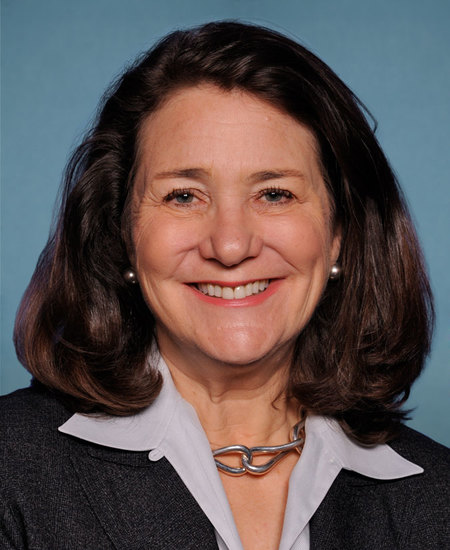
Rep. Diana DeGette
Sponsored bills
Maddy summaryHR 7438 directs the U.S. Treasury to mint commemorative coins for the 2026 FIFA World Cup, including 100,000 $5 gold coins, 500,000 $1 silver coins, and 750,000 half-dollar coins. The coins will be sold to the public at face value plus surcharges ($35, $10, and $5 per coin, respectively), with all surcharge revenue paid to FWC2026 US, Inc. for U.S. soccer programs. These funds must support soccer initiatives, particularly in underserved communities and youth development, as specified in the bill. The coins are legal tender but will only be issued during 2026, with no net cost to the U.S. government.
Maddy summaryHR 6751 authorizes the U.S. Mint to produce commemorative coins honoring Roberto Clemente, a Hall of Fame baseball player and humanitarian, including 50,000 $5 gold coins, 400,000 $1 silver coins, and 750,000 half-dollar coins. The coins must feature Clemente's image and inscriptions like "Roberto Clemente" and "2027," with all sales including a surcharge ($5-$35 per coin) paid to the Roberto Clemente Foundation. The foundation, which supports youth sports, education, and disaster relief programs, will use these funds for its mission, while the U.S. Treasury must recover all production costs. The coins will be sold exclusively in 2027, with no net cost to the government.
Maddy summaryThe Jeanette Acosta Invest in Women’s Health Act of 2024 would expand access to preventive cancer screenings (including breast, cervical, ovarian, and uterine cancer screenings) for women, with a focus on low-income women, women of color, rural communities, and underserved populations. It authorizes $20 million annually for grants to health care providers - such as family planning centers - to increase screenings and establishes a training program for health care providers on best practices and cultural competency to address racial disparities. The bill also mandates a study analyzing cancer screening rates and disparities by race, income, geography, and insurance status, with reports to Congress every five years. These provisions aim to improve early detection, reduce mortality, and address systemic barriers in women’s cancer care.
Maddy summaryHR 10165, the Security Clearance Review Act, requires the FBI Director to approve security clearances and access to classified information for political appointees working in the Executive Office of the President. It prohibits such appointees from holding clearances or accessing classified information without the FBI Director’s explicit authorization. If the FBI denies clearance, the Director must immediately notify the President and Congress. If the President overrides this denial, they must provide a written explanation to Congress within 30 days. The bill directly affects political appointees in the White House and establishes new oversight steps for security clearance decisions.
Maddy summaryThe VA Employee Fairness Act of 2024 modifies collective bargaining rules for employees of the Veterans Health Administration (VHA). It removes existing subsections (b), (c), and (d) from the law governing VHA employee bargaining and renumbers the remaining provision. This change streamlines the collective bargaining framework but does not alter the Secretary of Veterans Affairs' existing authorities over incentive pay and expedited hiring. The bill directly affects VHA employees by changing how their collective bargaining rights are structured under federal law. The law remains neutral, focusing solely on procedural adjustments to the existing bargaining framework.
Maddy summaryHR 1719, the Honoring Our Fallen Heroes Act of 2023, establishes a presumption that certain cancers diagnosed in public safety officers (like police and firefighters) are work-related if linked to their duties. It defines 22 specific cancers (including lung, mesothelioma, and WTC-related cancers) as "exposure-related," allowing officers or their families to receive benefits without proving direct work connection, provided they were diagnosed within 15 years of leaving active service. The bill also creates a process for adding new cancers to the list based on scientific evidence, requiring the Bureau to review petitions and make decisions within 180 days. This applies to deaths or disabilities occurring on or after January 1, 2023, directly affecting officers who developed covered cancers during service.
Maddy summaryHCONRES 130 is a symbolic concurrent resolution commending state and local governments that treat reproductive rights as human rights following the *Dobbs* decision. It recognizes efforts by cities like Austin, Texas, and Montgomery County, Maryland, to expand abortion access and condemn criminalization of pregnancy outcomes. The resolution affirms that reproductive rights are human rights, urges states to repeal restrictive laws, and references U.S. obligations under international human rights treaties. As a non-binding resolution, it does not create new laws or alter existing policies.
Maddy summaryHR 3433, the "Give Kids a Chance Act of 2024," requires pharmaceutical companies developing certain cancer drugs to conduct pediatric studies if the drugs target molecular pathways relevant to childhood cancers. It directly affects drug manufacturers submitting new applications for cancer treatments, particularly those combining previously approved adult cancer drugs or containing a single new active ingredient. The bill amends FDA regulations to mandate these pediatric investigations only when specific conditions are met, such as when a drug's molecular target is relevant to pediatric cancer growth. The FDA must issue implementing guidance within 12 months, and reports to Congress will track implementation and effectiveness starting 2 years after enactment.
Maddy summaryHR 6319 (the 911 SAVES Act of 2023) requires the Office of Management and Budget to reclassify public safety telecommunicators as "Protective Service Occupations" within 30 days of enactment. This change corrects their current misclassification in the federal Standard Occupational Classification (SOC) system, which is used for statistical data on jobs. The bill directly affects how these professionals - critical in emergency calls involving missing children, active threats, and officer safety - are officially categorized in government workforce data. It does not create new benefits or funding but aims to better recognize their lifesaving role through accurate federal job classification.