

Maddy summaryThis bill, HR 6860, protects patients with end-stage kidney disease (ESRD) who require dialysis by preventing health insurance plans from discriminating against them. It amends Medicare rules to prohibit plans from treating dialysis coverage differently than other medical services based on a patient’s ESRD diagnosis, need for dialysis, or any other factor. The bill clarifies that plans can still choose which dialysis providers to include in their networks but cannot deny or limit coverage for dialysis services solely because of the patient’s condition. It ensures Medicare remains the secondary payer for these services as intended, without forcing plans to cover specific providers.
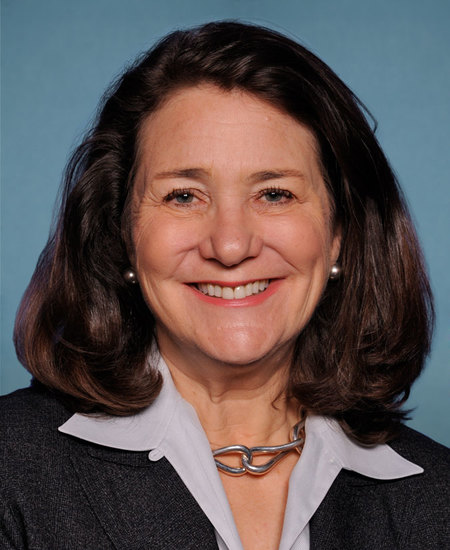
Rep. Diana DeGette
Sponsored bills
Maddy summaryThe Marriage Equality for Disabled Adults Act removes a rule requiring disabled adult children to remain unmarried to receive Social Security benefits. It ensures married disabled adult children, or their spouses, can maintain eligibility for Social Security Disability Insurance and Medicaid without losing benefits due to marriage. The bill changes how income and resources are counted, so a spouse's income and resources are no longer deemed against the disabled adult child for benefit calculations. It also requires states to preserve Medicaid eligibility for these individuals at the same level as if they were unmarried.
Maddy summaryThe Medicare Advantage Consumer Protection and Transparency Act requires Medicare Advantage plans to submit detailed, standardized data about supplemental benefits, healthcare services provided (encounter data), coverage denials, prior authorization requirements, quality measures, and provider networks. Plans must submit this information annually in standardized formats, with penalties of up to 10% in reduced payments for incomplete submissions. The data will be publicly reported, increasing transparency for beneficiaries and oversight officials. This law directly affects Medicare Advantage plans and beneficiaries by providing clearer information about plan offerings and performance. It focuses on concrete data collection and reporting requirements rather than altering benefit structures.
Maddy summaryThe MORE Act (HR 5601) would federally decriminalize cannabis by removing it from the Schedule I list of controlled substances under the Controlled Substances Act. It requires federal courts to expunge non-violent cannabis convictions and associated arrests, with a focus on addressing racial disparities in cannabis enforcement. The bill creates an Opportunity Trust Fund that would allocate 50% of funds to criminal justice programs, 20% to small business assistance for minority cannabis entrepreneurs, and 20% to community reinvestment grants for individuals impacted by the War on Drugs. It also prohibits federal agencies from denying benefits or security clearances based on cannabis use or past cannabis convictions, and establishes a Cannabis Justice Office to administer these programs.
Maddy summaryThis bill changes how Medicare counts hospital stays for coverage of skilled nursing care. It treats time spent in outpatient observation (not admitted as an inpatient) as part of the required 3-day inpatient hospital stay. This means beneficiaries who received outpatient observation services will have that time counted toward the 3-day requirement, potentially making them eligible for skilled nursing facility coverage they might otherwise have lost. The change applies to services beginning January 1, 2024, with limited retroactive appeal options for services completed before the law's enactment. It directly affects Medicare beneficiaries needing skilled nursing care after hospital treatment.
Maddy summaryThe Lowering Drug Costs for American Families Act expands Medicare's drug price negotiation program from 20 to 50 drugs, allowing the government to negotiate lower prices for these medications. It requires private health insurance plans and group health coverage to apply these negotiated prices to their members' cost-sharing for covered drugs, with plans able to opt out while publicly disclosing their decision. The bill also extends these negotiated prices to drugs covered by commercial insurance markets, not just Medicare. This would directly affect Medicare beneficiaries and people with private health insurance who take the negotiated drugs.
Maddy summaryThe Physical Therapist Workforce and Patient Access Act of 2023 expands the National Health Service Corps to include physical therapists in its loan repayment program and creates designated "physical therapy health professional target areas" for their assignment in underserved communities. It also amends Medicare to cover physical therapy services provided by physical therapists at Rural Health Clinics and Federally Qualified Health Centers, effective January 1, 2025. This directly affects physical therapists by offering new career pathways in underserved areas and patients in those communities by increasing access to physical therapy services for conditions like pain management and rehabilitation. The bill does not alter existing eligibility requirements for physical therapists but formally integrates their services into key federal healthcare programs.
Maddy summaryThe Social Security 2100 Act would significantly enhance Social Security benefits for millions of Americans by increasing monthly payments for retirees, disabled workers, widows/widowers, and children. Key provisions include raising the minimum benefit for long-term low earners, improving cost-of-living adjustments using a more accurate index, eliminating the 5-month waiting period for disability benefits, and extending child benefits to age 26. The bill also changes how Social Security taxes are calculated by applying them to income above $400,000 and establishes a unified Social Security Trust Fund to manage program finances. Most provisions would apply to benefits payable from 2025 through 2034, affecting all current and future Social Security beneficiaries.
Maddy summaryThe PrEP Access and Coverage Act of 2023 requires private health insurance plans, Medicare, Medicaid, and other public health programs to cover pre-exposure prophylaxis (PrEP) for HIV prevention without cost-sharing, including the medication, related lab tests, and follow-up care. The bill also prohibits life, disability, and long-term care insurance companies from denying coverage or charging higher premiums to people taking PrEP. It establishes public education campaigns to increase awareness of PrEP and PEP (post-exposure prophylaxis) and creates funding for state and community programs to expand access to HIV prevention services, particularly for populations disproportionately affected by HIV including Black, Hispanic/Latinx, and transgender individuals. The legislation specifically addresses current disparities in PrEP access, as data shows only 11% of Black/African American and 21% of Hispanic/Latinx individuals eligible for PrEP received prescriptions in 2022 compared to 82% of White individuals. Coverage requirements for most plans will take effect on January 1, 2025.
Maddy summaryThe LIFT the BAR Act removes barriers preventing lawfully present noncitizens from accessing federal benefits like food assistance, Medicaid, and school meals. It repeals specific 1996 welfare law provisions that excluded noncitizens and updates terminology to replace "alien" with "noncitizen" throughout federal law. The bill expands eligibility to include noncitizens in categories such as Deferred Action for Childhood Arrivals (DACA) recipients, individuals with special immigrant juvenile status, and those with pending U-visa applications. This change ensures more noncitizens lawfully present in the U.S. can access essential services without being denied based on immigration status.