

Maddy summaryThis resolution expresses the sense of the House of Representatives that stable housing is a fundamental human right that keeps families together, regardless of immigration status. It condemns a past administration's proposal to ban mixed-immigration status families from receiving prorated federal housing assistance and calls on the Secretary of Housing and Urban Development to withdraw any such rule. The resolution also urges Congress to increase funding for federal housing programs and calls for a Government Accountability Office report on the impact of such proposals on family separation and homelessness.
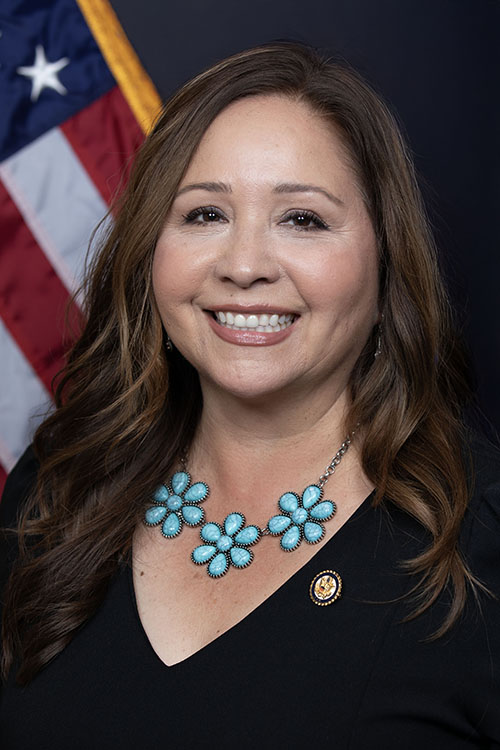
Rep. Adelita S. Grijalva
Sponsored bills
Maddy summaryThe Improving Access to Financial Coaching Act of 2026 establishes a federal grant program to support financial coaching services for individuals and households, particularly those with low and moderate incomes, racial and ethnic minorities, and residents of rural areas. Administered by the Department of the Treasury's Office of Consumer Policy, the program awards grants to eligible nonprofit organizations, community development financial institutions, and minority depository institutions. These funds are intended to help recipients provide or subgrant financial coaching services to improve consumer financial well-being, manage debt, and build savings. Additionally, the bill directs the Treasury to develop standardized practices for certifying financial coaches and the agencies that employ them, aiming to enhance service quality. The act authorizes $100 million for appropriations for fiscal years 2026 through 2028 to fund these initiatives.
Maddy summaryThe Momnibus Act is a comprehensive legislative bill designed to improve maternal health outcomes across the United States by addressing social determinants of health, expanding access to care, and reducing disparities among pregnant and postpartum individuals. The bill establishes a federal task force to coordinate efforts between agencies and stakeholders to eliminate preventable maternal mortality and severe morbidity, while providing sustained funding to community-based organizations to address nonclinical factors like housing, nutrition, and transportation. Key provisions include extending WIC eligibility to 24 months postpartum, creating grants to grow and diversify the perinatal workforce, implementing respectful maternity care training for all healthcare employees, and establishing compliance programs to track and address bias in maternity care settings. The legislation also includes specific measures for incarcerated mothers, veterans, and vulnerable populations affected by climate change, alongside funding for maternal mental health services and technology-enabled care models to expand access in underserved areas.
Maddy summaryThis House Resolution supports designating August 24 through August 28, 2026, as the fourth annual "National Community Health Worker Awareness Week." It aims to recognize the significant contributions of community health workers to health and social care systems across the United States and encourages efforts to raise public awareness of their important role.
Maddy summaryThe YouthBuild for the Future Act aims to strengthen and expand the existing YouthBuild program, which provides education and job training to young people. The bill increases authorized funding for the program and creates a new grant program to foster partnerships between YouthBuild programs and employers, aiming to develop more employment opportunities for participants. It reserves a portion of increased funds for rural areas and programs serving Native American, Alaska Native, and Native Hawaiian communities. Furthermore, the bill expands the types of supportive services YouthBuild programs can offer, including meals and assistance with applying for federal and state benefit programs.
Maddy summaryThis bill, titled the Trump Accounts for All Generations Act, makes a specific program related to "Trump accounts" permanent and adjusts its contribution limits. It directly affects individuals who contribute to these accounts by altering their long-term availability and value. The legislation permanently extends the "Trump accounts" contribution program by removing its scheduled expiration date of January 1, 2029. Furthermore, it introduces an annual inflation adjustment for the program's $1,000 contribution amount, beginning in taxable years after 2028. The bill also removes the word "pilot" from the program's title and related sections of the tax code, formally establishing it as an ongoing program.
Maddy summaryThe Revitalizing America’s Schoolyards Act of 2026 establishes a grant program, administered by the Department of Education, to help public elementary and secondary schools transform their outdoor spaces into "revitalized schoolyards." These new outdoor environments are designed to strengthen local ecological systems, provide hands-on learning opportunities, and promote nature play and social interaction for students and the community. Eligible entities, including local schools and partner non-profits, can apply for planning grants to design these spaces and then implementation grants to build them, with priority given to schools serving a high percentage of low-income students or those vulnerable to extreme heat or flooding. The bill requires a 20% non-federal match for implementation grants, which can be waived for high-need or tribal schools, and also directs the Secretary to maintain a clearinghouse of outdoor learning resources.
Maddy summaryThe Educational Equity Challenge Grant Act of 2026 establishes a federal grant program to help eligible educational entities address students' academic, social-emotional, mental, behavioral, and physical health needs, including those impacted by the COVID-19 pandemic. Administered by the Secretary of Education, the program awards funds for either implementing proven, evidence-based strategies or designing and evaluating new, educator-initiated proposals. Priority for these grants is given to entities serving high-need student populations, such as those in rural areas, low-income communities, and various disproportionately affected groups. Recipients must report annually on how funds were used and their impact on student outcomes.
Maddy summaryThis bill seeks to block a specific rule issued by the Department of Education that affects the William D. Ford Federal Direct Loan Program. If passed, it would prevent the rule from taking effect, meaning the proposed changes to federal student loans would not be implemented. The measure uses a legislative process known as a joint resolution of disapproval to override agency regulations. It directly impacts students, families, and institutions that rely on federal student loans by stopping the Department of Education from enforcing the new policy.
Maddy summaryThis bill expands family leave protections under the Family and Medical Leave Act to include time off for employees when their son or daughter dies. It allows eligible workers to take up to 12 weeks of unpaid leave within 12 months of the death, with provisions for using paid leave balances and requiring advance notice when the loss is foreseeable. The legislation also updates rules for civil service employees and establishes certification requirements that employers may request to verify the need for leave.