

Maddy summaryHR 4104 would expand access to Medicaid, CHIP, and Affordable Care Act (ACA) health coverage for immigrants lawfully present in the U.S., including those with deferred action or pending immigration applications. It removes state-level barriers to Medicaid/CHIP eligibility for lawfully present individuals, treats Federally authorized presence as "lawfully present" for ACA subsidies, and allows states to choose to cover undocumented individuals through Medicaid or CHIP. The bill also extends these changes to Medicare Part A and Part B, ensuring lawfully present immigrants qualify for coverage and subsidies under existing programs. These provisions apply to all federally funded health programs and take effect in 2026 for most ACA-related changes.
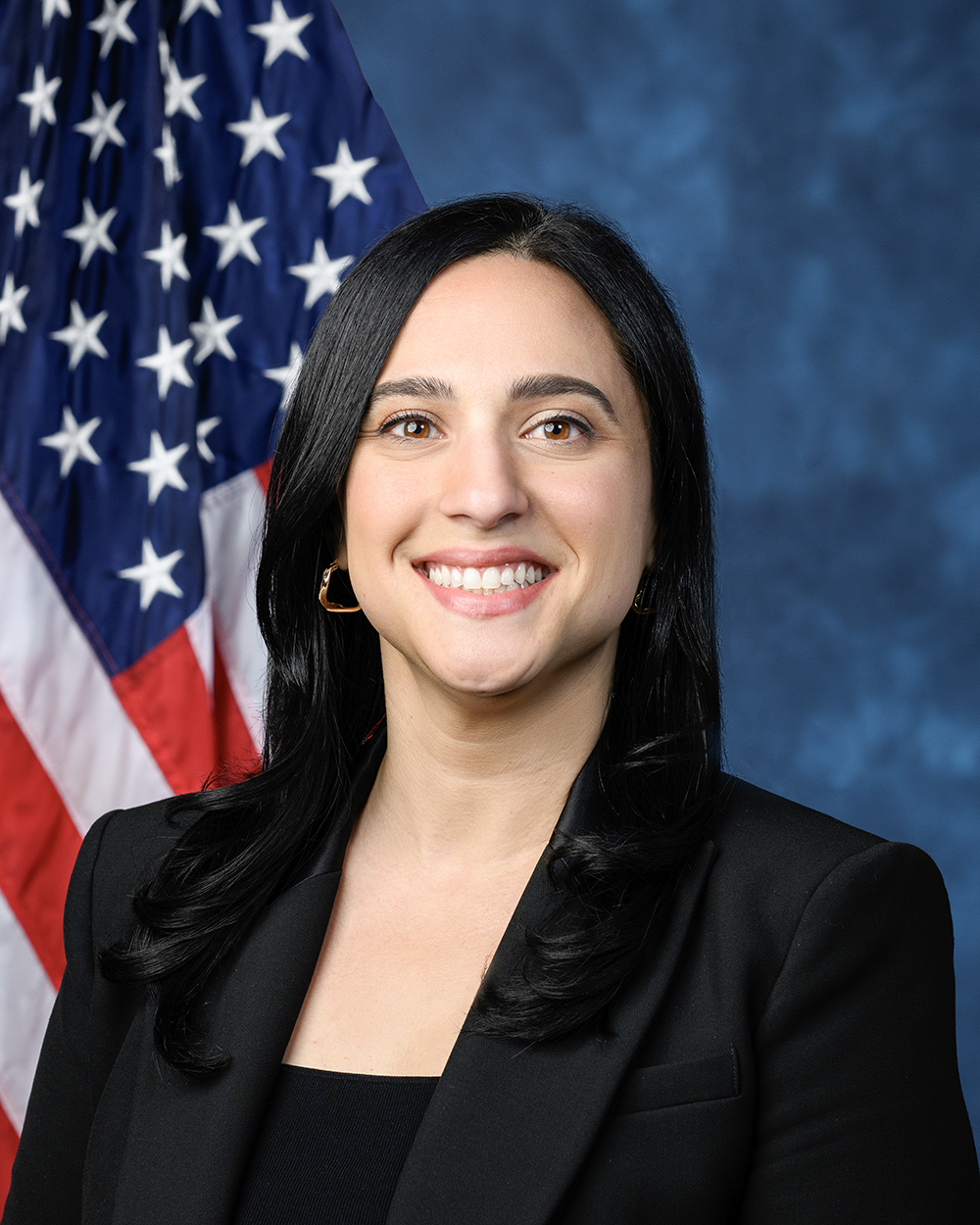
Rep. Yassamin Ansari
Sponsored bills
Maddy summaryHR 4078 requires U.S. Immigration and Customs Enforcement (ICE) to create a public online database tracking details about individuals in detention. The database must include detention authority, duration, location (with limited exceptions), transfers, removal orders, demographic data (like nationality and age), disciplinary actions, and specific details about non-traditional detention sites (such as military bases, tribal lands, or overseas locations). It mandates daily updates to the database while prohibiting personally identifiable information, and requires ICE to publish reports on unresolved recommendations from oversight offices. The bill also prohibits cuts to the Office of the Immigration Detention Ombudsman and the Office for Civil Rights and Civil Liberties. This directly affects individuals in ICE custody and provides transparency to the public about detention practices.
Maddy summaryThe Caring for Survivors Act of 2025 increases monthly dependency and indemnity compensation for surviving spouses of veterans. It changes the calculation method from a fixed $1,154 to 55% of a specific veteran compensation rate, effective six months after enactment. The bill also reduces the required continuous disability rating period for survivors from 10 years to 5 years, and provides a proportional payment for cases where the rating period is shorter than 10 years. Surviving spouses of veterans who died before January 1, 1993, receive the greater of their current benefit or the new calculation. This directly affects surviving spouses eligible for benefits under Title 38, U.S. Code, particularly those with veterans who died prior to 1993.
Maddy summaryHRES 533 is a non-binding House resolution calling on the President to lift the indefinite suspension of U.S. refugee admissions, which has left over 100,000 refugees stranded in limbo since January 2025. It specifically references Executive Order 14163 (2025) that halted refugee arrivals, citing the plight of refugees conditionally approved for resettlement, including Afghans, Rohingya, and Sudanese. The resolution reaffirms U.S. commitments under the Refugee Act of 1980 and international obligations, urging restoration of the U.S. Refugee Admissions Program to protect vulnerable refugees. It also calls for increased international cooperation, support for frontline host countries, and meeting global refugee protection pledges. The resolution does not create new law but expresses congressional intent to address the refugee crisis.
Maddy summaryThe Insurrection Act of 2025 would clarify and limit when the President can deploy military forces domestically to address insurrections, rebellions, or widespread violence. It requires state and local authorities to be unable to handle the situation, with specific circumstances including obstruction of voting rights or Federal law, and mandates the state governor's request for assistance. The bill requires the President to consult Congress, issue a proclamation ordering lawbreakers to disperse, and submit a detailed report before deployment, with military action limited to 7 days unless Congress passes a joint resolution approving it for up to 14 days. The bill explicitly prohibits using National Guard members on training duty for these purposes and provides for judicial review of deployments.
Maddy summaryThe Downpayment Toward Equity Act of 2025 creates a federal program to provide financial assistance to first-generation homebuyers for down payments, closing costs, and other home purchase expenses. It authorizes $100 billion in funding to be distributed through states and eligible entities, with grants that can cover up to $20,000 or 10% of a home's purchase price (whichever is greater). To qualify, homebuyers must meet income limits (up to 120-140% of median area income), be first-time homebuyers with no prior home ownership by their parents, and complete homebuyer counseling. The program requires recipients to occupy homes as primary residences for at least five years, with repayment required if they sell sooner, and states must report on program demographics to ensure equitable outcomes.
Maddy summaryHRES 509 is a symbolic resolution expressing the U.S. House of Representatives' support for designating June 2025 as "Black Music Month." It does not create new laws or directly affect any individuals or entities; instead, it urges the public to recognize and celebrate Black music's cultural impact through voluntary actions like promoting artists and spreading awareness. The resolution highlights Black music's historical influence across genres - from spirituals to hip-hop - and calls for honoring its legacy in education, media, and community initiatives. It follows a tradition started by President Carter in 1979 but has no legal force.
Maddy summaryHRES 514 is a resolution commemorating the ninth anniversary of the June 12, 2016, Pulse nightclub shooting in Orlando, Florida, which killed 49 people. It honors the victims and their families, recognizes the bravery of first responders, and affirms the need for continued efforts on gun safety and mental health legislation. The resolution does not create new laws or policies but serves as a symbolic statement of remembrance and support for the affected community. It directly addresses the House of Representatives and the public, emphasizing unity in the face of hate.
Maddy summaryHR 3986 exempts small businesses (as defined by the Small Business Act) from import taxes imposed under Executive Order 14257. This means small businesses importing goods for their own use will no longer pay these specific taxes. The bill directly affects small businesses meeting the size standards outlined in the Small Business Act. It removes an existing tax burden without creating new regulations or requirements.
Maddy summaryThe Domestic Workers Bill of Rights Act (HR 3971) would establish key labor protections for domestic workers, including nannies, housekeepers, and caregivers who work in private homes. The bill requires written agreements for workers employed 8+ hours per week, provides earned sick days (1 hour for every 30 hours worked), mandates fair scheduling practices with 72-hour notice for schedule changes, and extends overtime protections to live-in domestic employees. It also prohibits unfair wage deductions, guarantees meal and rest breaks, and ensures privacy protections including no monitoring in private living spaces. The bill directly affects approximately 2.2 million domestic workers across the U.S., who are disproportionately women of color and immigrants. Enforcement would be handled by the Department of Labor through new complaint resolution mechanisms and oversight.