

Maddy summaryHR 4396, the Uterine Cancer Study Act of 2025, mandates a study by the Department of Health and Human Services (HHS) into the potential link between chemical hair straighteners and uterine cancer, with a specific focus on higher incidence rates among women of color. The study will review existing research, examine impacts across all racial and ethnic groups, analyze different hair straightener types (including those with dyes or bleach), and assess whether the FDA should require additional safety testing for these products. HHS must submit its study methodology within 45 days of the bill's enactment, begin the study within 180 days, and deliver a final report to Congress within two years. This bill does not create new regulations but directs a specific research effort to gather evidence on a potential health concern. The study directly affects women, particularly women of color, who use hair straightening products and may face elevated uterine cancer risks.
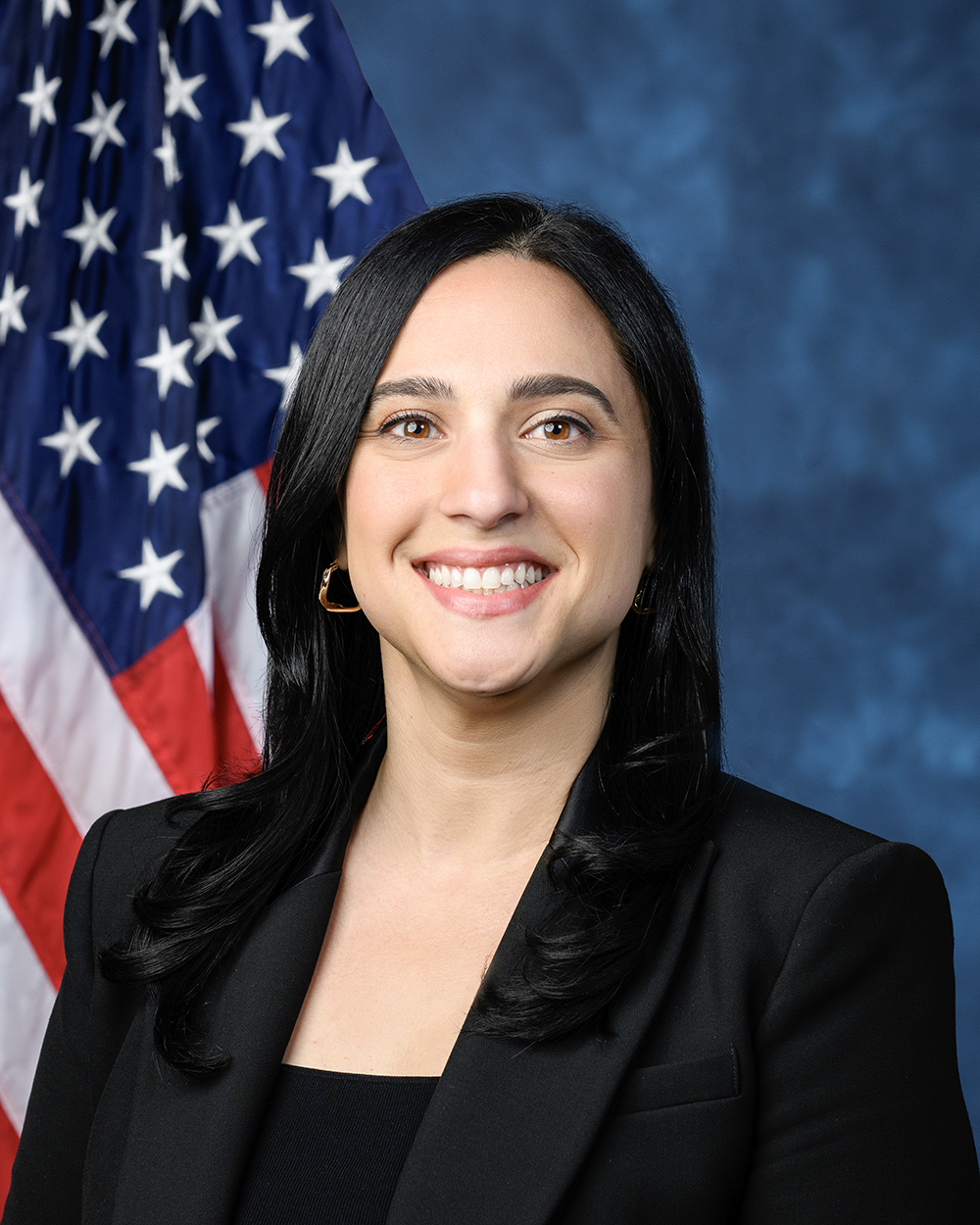
Rep. Yassamin Ansari
Sponsored bills
Maddy summaryThis bill would allow states to create their own universal health care systems by applying for waivers that replace federal health programs with state-based coverage. States would need to demonstrate they can cover at least 95% of residents within 5 years, maintain comparable benefits and affordability, and provide comprehensive coverage including reproductive health services. The federal government would redirect funds that would have gone to federal programs like Medicaid and Medicare to the states, with states required to submit regular reports on coverage progress and costs. The bill includes specific protections for Indian health care providers and ensures coverage for vulnerable populations without imposing new costs on them. This framework would apply to states that choose to implement their own universal health care system rather than relying on existing federal programs.
Maddy summaryThis bill directs the Department of Health and Human Services to significantly increase federal research funding for uterine fibroids ($30 million annually from 2026-2030), expand coordination of NIH research, and establish a Medicaid data system to track treatment access and costs. It mandates public education on fibroid symptoms, prevalence (especially among Black women, who face higher risk and severity), and non-hysterectomy treatment options. The bill also requires disseminating evidence-based provider resources on managing fibroids while preserving fertility. These provisions directly affect the estimated 26 million U.S. women with fibroids - particularly women of color - and aim to address the current lack of research and treatment data.
Maddy summaryThis bill directs the Health and Human Services Secretary to fund research on early detection and intervention for uterine fibroids, aiming to develop evidence-based approaches for healthcare settings. It authorizes grants to states to support screening (including advanced imaging), patient navigation services, and public education campaigns focused on early detection, with priority given to areas with socially vulnerable populations at higher risk. The bill also funds research into disparities in pain management during fibroid surgery and conditions like Asherman’s Syndrome. These provisions directly affect women with uterine fibroids, particularly in underserved communities, by expanding access to early detection services and targeted research.
Maddy summaryThis bill extends funding deadlines for sport fish restoration and recreational boating programs through 2031, updating prior expiration dates. It clarifies funding for interstate fisheries commissions and adds new definitions for alternative marine fuel infrastructure, including facilities dispensing fuels derived from recycled oils or plant materials. The bill also establishes a 3% tax rate (down from 10%) for portable, electronically-aerated bait containers sold by manufacturers. These changes primarily affect recreational boaters, sport fishing programs, and facilities seeking to install alternative fuel infrastructure.
Maddy summaryHRES 579 is a non-binding resolution designating July as Uterine Fibroids Awareness Month. It supports raising public awareness about uterine fibroids - a condition affecting an estimated 80% of women by age 50 - particularly highlighting the disproportionate impact on Black and Hispanic women (3x and 2x higher rates than White women). The resolution recognizes the need for more research, treatment options, and education on fibroid prevention and symptoms. It urges the President to issue a proclamation encouraging nationwide awareness activities during July. This is a symbolic measure with no new funding or legal requirements.
Maddy summaryHR 4365, the Consumer Online Payment Transparency and Integrity Act, requires businesses to clearly disclose automatic renewal terms and cancellation procedures when selling goods or services with free trials or automatic renewal features. It mandates 7-day advance notice before charging consumers for renewals, requires express consent for each renewal (not just initial sign-up), and ensures cancellation is as easy as signing up (via online tools or toll-free numbers). The bill also prohibits "dark patterns" (manipulative design) from tricking consumers into unintended charges and voids automatic renewals if businesses violate these rules, requiring refunds for affected consumers. This directly affects consumers who encounter surprise charges from subscriptions or free trials that convert to paid services without clear consent.
Maddy summaryHRES 569 is a non-binding House resolution affirming that diversity, equity, inclusion, and accessibility (DEIA) are fundamental U.S. values and emphasizing the need to address ongoing discrimination in workplaces, schools, government programs, the military, and society. It does not create new laws but calls on federal, state, local governments, educational institutions, and businesses to adopt DEIA initiatives to remove barriers faced by marginalized groups, including Black, Latino, AANHPI, Indigenous, women, LGBTQI+, and disabled individuals. The resolution cites data showing persistent discrimination - such as wage gaps, housing segregation, health care disparities, and underrepresentation in leadership - to underscore how systemic inequities cost the economy trillions and limit opportunity. It encourages organizations to foster inclusive environments where all people can achieve their potential, without prescribing specific policy changes.
Maddy summaryThis bill prohibits federal agency personnel from using physical force, detaining, or interfering with Members of Congress while they conduct official oversight activities on federal property. It requires Members to identify themselves with valid congressional ID and confirms the law does not override standard security procedures or prevent action against immediate physical threats. The bill specifically protects oversight activities like investigations, reviews of federal programs, or site visits at government-owned or leased facilities (including detention centers), ensuring Congress can carry out its constitutional oversight role without physical obstruction.
Maddy summaryThe Expanding Access to Mental Health Services in Schools Act of 2025 creates a federal grant program to help high-need schools hire and retain mental health professionals like counselors, psychologists, and social workers. It targets schools in the top 15% of need (based on student poverty or counts) that lack required staff ratios, such as one counselor per 250 students. Grants fund recruitment incentives (e.g., student loan repayment), retention programs, and evidence-based mental health services, with recipients required to contribute 25% of costs from non-federal funds. Schools must report annually on staff numbers, student-to-staff ratios, and retention rates to track progress toward improved mental health access.