

Maddy summaryThis bill amends the National Labor Relations Act to recognize college athletes as employees eligible for collective bargaining rights. It directly affects athletes receiving athletic scholarships (grant-in-aid) who perform services for their institution, including those at public and private universities. Key provisions establish that athletes meeting specific criteria (receiving compensation for athletic participation) are employees, allow multiemployer bargaining units across athletic conferences, and prohibit waivers of these rights in scholarship agreements. The bill explicitly states it will not change tax treatment of athletic compensation or affect eligibility for federal financial aid.
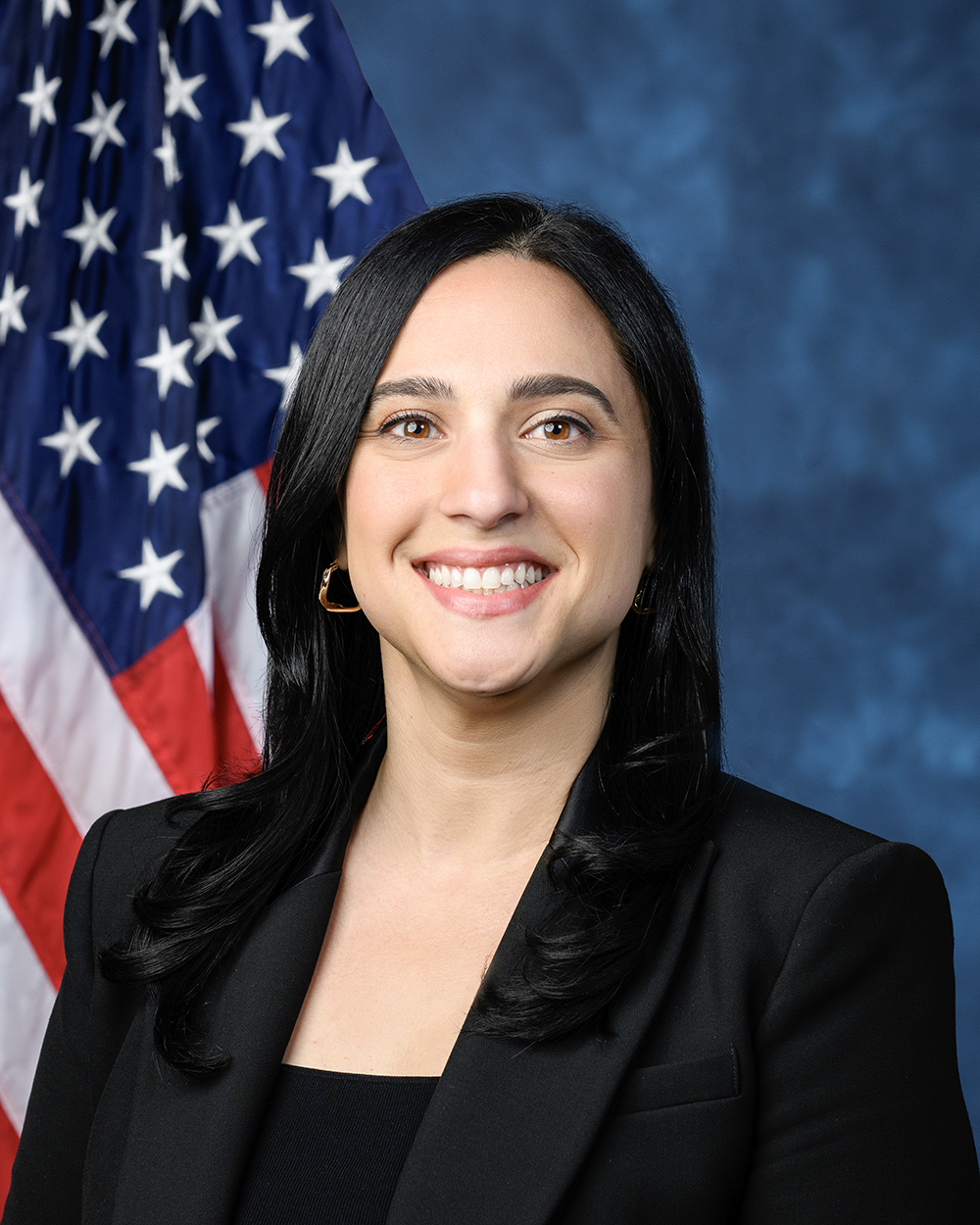
Rep. Yassamin Ansari
Sponsored bills
Maddy summaryHR 4696 amends Section 249 of the Immigration and Nationality Act to update eligibility for a registry program that provides a pathway to legal status for long-term residents. It changes the requirement from entering the U.S. before January 1, 1972, to entering at least 7 years before the application date. This adjustment bases eligibility on a rolling 7-year window instead of a fixed historical cutoff, allowing more recent long-term residents to qualify. The bill directly affects individuals who entered the U.S. after 1972 but maintained continuous residence for at least seven years prior to applying.
Maddy summaryThis bill prohibits companies from using automated systems to set prices or wages based on surveillance data about consumers or workers. It bans "surveillance-based price setting" (personalized pricing based on consumer tracking) and "surveillance-based wage setting" (using personal data to determine worker pay), with limited exceptions for standard discounts like student or senior citizen rates when properly disclosed. Companies must publish clear procedures about how their automated systems work, including how data is used and how consumers/workers can challenge inaccuracies. The Federal Trade Commission and Equal Employment Opportunity Commission will enforce the law, and individuals can file lawsuits to challenge violations. The bill also prohibits pre-dispute arbitration agreements that would prevent class action lawsuits.
Maddy summaryThe End Polluter Welfare Act of 2025 eliminates federal subsidies for fossil fuel production by repealing tax incentives, increasing royalty rates, and prohibiting federal funding for fossil fuel projects. It directly affects oil, gas, and coal companies by terminating tax credits like the enhanced oil recovery credit (Section 43), ending special tax treatments for fossil fuel activities, and increasing offshore royalty rates to 18 3/4 percent. The bill prohibits U.S. International Development Finance Corporation and Export-Import Bank funding for fossil fuel projects, ends interest payments on royalty overpayments, and terminates tax provisions allowing accelerated depreciation for fossil fuel infrastructure. These changes apply to taxable years beginning after the bill's enactment date, with specific provisions targeting coal, petroleum, and natural gas production.
Maddy summaryHR 4734, the "Hands Off Our Social Security Act," prohibits federal actions that would alter Social Security benefits, data handling, workforce levels, office locations, or communication systems without explicit congressional approval. It directly protects Social Security beneficiaries and the Social Security Administration (SSA) by banning unauthorized changes to benefits, data mining, privatization, staff cuts, office closures, or reduced phone/in-person services. Key provisions require Congress to approve any modifications to benefits, workforce reductions, or office closures, and mandate the SSA to maintain existing communication channels. The bill also mandates annual GAO audits to ensure compliance with these restrictions. This legislation focuses on preserving current Social Security operations and access, not creating new benefits or altering eligibility.
Maddy summaryH.J. Res. 108 proposes a constitutional amendment to remove legal immunity for federal officials, including the President, from criminal prosecution for actions taken while performing official duties. It would prohibit the President from granting pardons to themselves and eliminate the defense that "official authority" excuses violations of federal or state law (with limited exceptions for certain congressional actions). If ratified, this amendment would require Congress to pass implementing laws to enforce these changes. The proposal is currently in the House Judiciary Committee and requires approval by three-fourths of state legislatures to become part of the Constitution.
Maddy summaryHR 4606, the Ally’s Act, requires private health insurance plans (including employer-sponsored plans and individual coverage) to cover hearing implants and related services. It directly affects people with hearing loss who need cochlear implants, bone conduction devices, or external sound processors, as determined by a physician or audiologist. The bill mandates coverage for devices, maintenance, repairs, upgrades every 5 years, hearing assessments, surgery, and rehabilitation - without separate cost-sharing or stricter limits than other medical services. Insurers cannot deny coverage if a provider deems the service medically necessary. The law applies to all applicable health plans and takes effect for plan years beginning January 1, 2026.
Maddy summaryHR 4493, the Climate Health Emergency Act of 2025, requires the Secretary of Health and Human Services to declare a public health emergency specifically for climate-related health risks under existing law. This bill directly affects the federal public health system by mandating this emergency declaration, based on findings that climate change drives over half of recent public health emergencies (like extreme weather and disease spread). The key mechanism is the formal declaration under the Public Health Service Act, aiming to mobilize federal resources and improve coordination for climate-driven health threats. It focuses on addressing the growing health impacts linked to climate change, as identified in congressional findings.
Maddy summaryHR 1522, the Federal Retirement Fairness Act, changes federal retirement rules to include temporary employees' service after January 1, 1988, in retirement benefit calculations. It directly affects temporary federal employees (including U.S. Postal Service workers) and Members of Congress who served after that date. The bill removes a previous cutoff date in retirement law, allowing their temporary service to count toward retirement eligibility. This means eligible temporary workers can now have their full service period considered when calculating retirement benefits.
Maddy summaryThe SUPPLY Act establishes a federal program to insure second loans (additional financing) for building accessory dwelling units (ADUs) on single-family properties. This insurance, administered by the Department of Housing and Urban Development, covers up to 30% of a standard one-unit home loan amount or 100% of the property value after construction (with potential increases based on 50% of projected rental income). Homeowners seeking to add ADUs - such as backyard cottages, converted basements, or detached units - can use this insurance to secure financing, with a government premium of up to 1% annually. The bill also requires Fannie Mae and Freddie Mac to purchase and securitize these insured loans, potentially expanding access to ADU financing.