

Maddy summaryThe No Payoffs for Pardons Act requires individuals who receive executive clemency to file detailed financial reports if they provided gifts or benefits of $10,000 or more to the President or related entities in an attempt to secure that pardon. These disclosure reports must be submitted to the Attorney General and made publicly available online, while also updating federal bribery laws to explicitly include pardons as a form of "anything of value" that can be offered to officials. The bill imposes civil and criminal penalties for failing to file these reports or submitting false information, and it extends the statute of limitations for prosecuting bribery cases involving clemency to ten years. By mandating transparency around the exchange of favors for clemency, the legislation aims to prevent the misuse of presidential pardon power without restricting the President's constitutional authority to grant pardons.
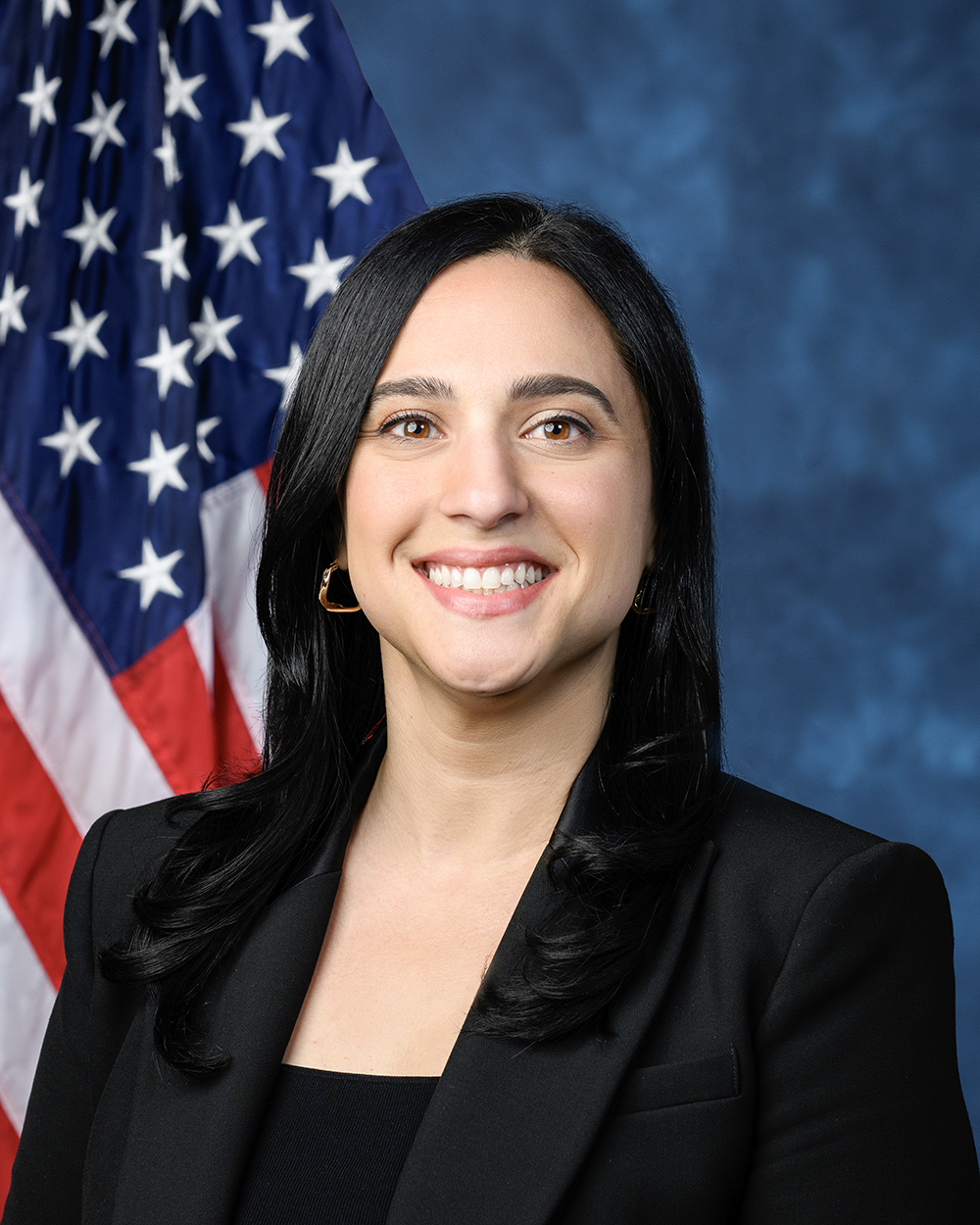
Rep. Yassamin Ansari
Sponsored bills
Maddy summaryThis resolution directs the Speaker of the House to file a lawsuit on behalf of Congress against the President and other executive officials who have failed to follow constitutional duties regarding military actions in Iran. The bill specifically targets the continuation of hostilities that exceed the time limits set by the War Powers Resolution and ignores a prior congressional order to withdraw troops. If passed, the House of Representatives would intervene in federal court to seek legal relief, with the Office of the General Counsel representing the institution in these civil actions.
Maddy summaryThis bill establishes federal protections and funding to expand access to in vitro fertilization and intrauterine insemination for individuals, military service members, and veterans. It requires most private health plans, Medicaid programs, and Medicare to cover these fertility treatments without imposing higher cost-sharing than other medical services. Additionally, the legislation mandates that the Department of Defense and the Department of Veterans Affairs provide specific fertility preservation and treatment benefits to uniformed service members and eligible veterans. The bill also includes preemption clauses that override state laws restricting these procedures and prohibits discrimination based on marital status, sex, or sexual orientation in the provision of care.
Billion Dollar Boondoggle Act This bill requires the Office of Management and Budget (OMB) to collect information from federal agencies and report to Congress regarding projects that are behind schedule or have expenditures that have exceeded the original cost estimate. Specifically, the bill requires OMB to issue guidance directing federal agencies to annually submit specified information to OMB regarding certain federally funded projects that (1) are more than five years behind schedule, or (2) have expenditures that are at least $1 billion more than the original cost estimate for the project. Among other information, the agencies must submit to OMB a description of each project; an explanation of any change to the original scope of the project; the original and current expected dates for the completion of the project; the original and current cost estimates adjusted for inflation; an explanation for any delays in completing the project or increases in the cost; and the amount of and rationale for any award, incentive fee, or other type of bonus awarded for the project. The bill also requires OMB to submit an annual report to Congress containing the information submitted by the agencies and post the report on the OMB website. The report must be submitted in unclassified form, but may include a classified annex.
Maddy summaryThis bill expands federal election laws to prevent foreign nationals from influencing U.S. elections by tightening restrictions on domestic companies with significant foreign ownership or control. It requires businesses that are at least 50% owned by foreign individuals, or those with specific foreign influence, to file a sworn certification proving they are not foreign-controlled before making any political donations or spending money on election activities. Additionally, the law clarifies that these rules apply to state and local ballot initiatives and mandates that corporate political action funds certify their managers and board members are U.S. citizens or permanent residents. The legislation also prohibits recipients of funds from these businesses from using the money for further political contributions unless they receive and verify the required compliance certification.
Maddy summaryThis bill, titled the Congressional Oversight and Agency Access Act, grants Members of Congress and their full-time staff guaranteed entry to all federal public buildings during regular business hours. It requires these individuals to present official congressional identification and mandates that staff members be accompanied by their employing Member of Congress. The legislation also ensures access outside of normal hours within 24 hours of a request, allows immediate entry during public meetings, and permits access to secure areas if the Member belongs to a relevant committee or obtains consent from the committee's leadership. Additionally, the bill prohibits temporary modifications to buildings that would obstruct a Member's ability to observe the facility.
Maddy summaryThis bill requires pharmacy benefits managers (PBMs) administering prescription drug benefits for federal employee health plans to reimburse pharmacies at specific rates, including the national average drug cost plus a small percentage or $50, whichever is lower. It prohibits PBMs from favoring their own pharmacies, restricting patient choice, or reducing pharmacy payments after claims are processed. The bill establishes $10,000 civil penalties for violations, with debarment from federal health plans after 10 penalties in 10 years. This directly affects PBMs, in-network pharmacies, and federal health benefit plans covering millions of federal employees and their families. The law aims to ensure fair reimbursement practices and maintain pharmacy choice under the Federal Employees Health Benefits Program.
Maddy summaryThis concurrent resolution formally recognizes the persistent wage gap between Black women and white, non-Hispanic men in the United States. It highlights data showing that Black women earn significantly less than their male counterparts and reaffirms Congress's support for existing laws that prohibit pay discrimination based on sex or race. The document does not create new laws or change policy but serves as a symbolic statement to raise awareness about the economic disparities faced by Black women.
Maddy summaryThe Save MEDICARE Act of 2026 aims to improve the Medicare Advantage program by starting in 2028 with several changes to how health plans are paid and monitored. It requires the government to exclude diagnoses from chart reviews when calculating payments to prevent plans from inflating costs based on questionable data. The bill also speeds up audits and appeals to ensure faster resolution of coding disputes and introduces a new penalty system to recover overpayments from plans. Additionally, the law allows states to enforce Medicare rules within their borders and bans financial incentives for doctors based on how they code patient records. Finally, it establishes a mechanism for the Department of Veterans Affairs to recover costs when Medicare Advantage plans cover care that should have been paid for by the VA.
Maddy summaryThe Family Grocery and Farmer Relief Act aims to break up the highly concentrated meatpacking industry by forcing major companies to divest assets and stop operating in multiple meat categories simultaneously. The Federal Trade Commission is authorized to order these divestitures if market concentration remains too high or if a single firm controls a large share of beef processing, with a specific goal of transferring assets to farmers' cooperatives and small businesses. Additionally, the bill mandates that foreign-owned meatpacking firms divest their U.S. operations and prohibits companies from acquiring new assets in lines of protein they do not already process. To support these changes, the legislation provides funding for new competitors and requires the FTC to actively enforce these rules against firms that fail to comply.