

Maddy summaryThis symbolic House resolution expresses U.S. congressional support for Iranian protesters demanding democracy and human rights. It condemns the Iranian regime's violent suppression of protests, including killings, mass arrests, and internet restrictions, while urging the regime to release political prisoners and restore communication access. The resolution reaffirms the Iranian people's right to self-determination through free elections and echoes a 2023 resolution (HCR 7) that similarly praised protesters. As a non-binding expression of support, it does not impose new policies or alter U.S. government actions.
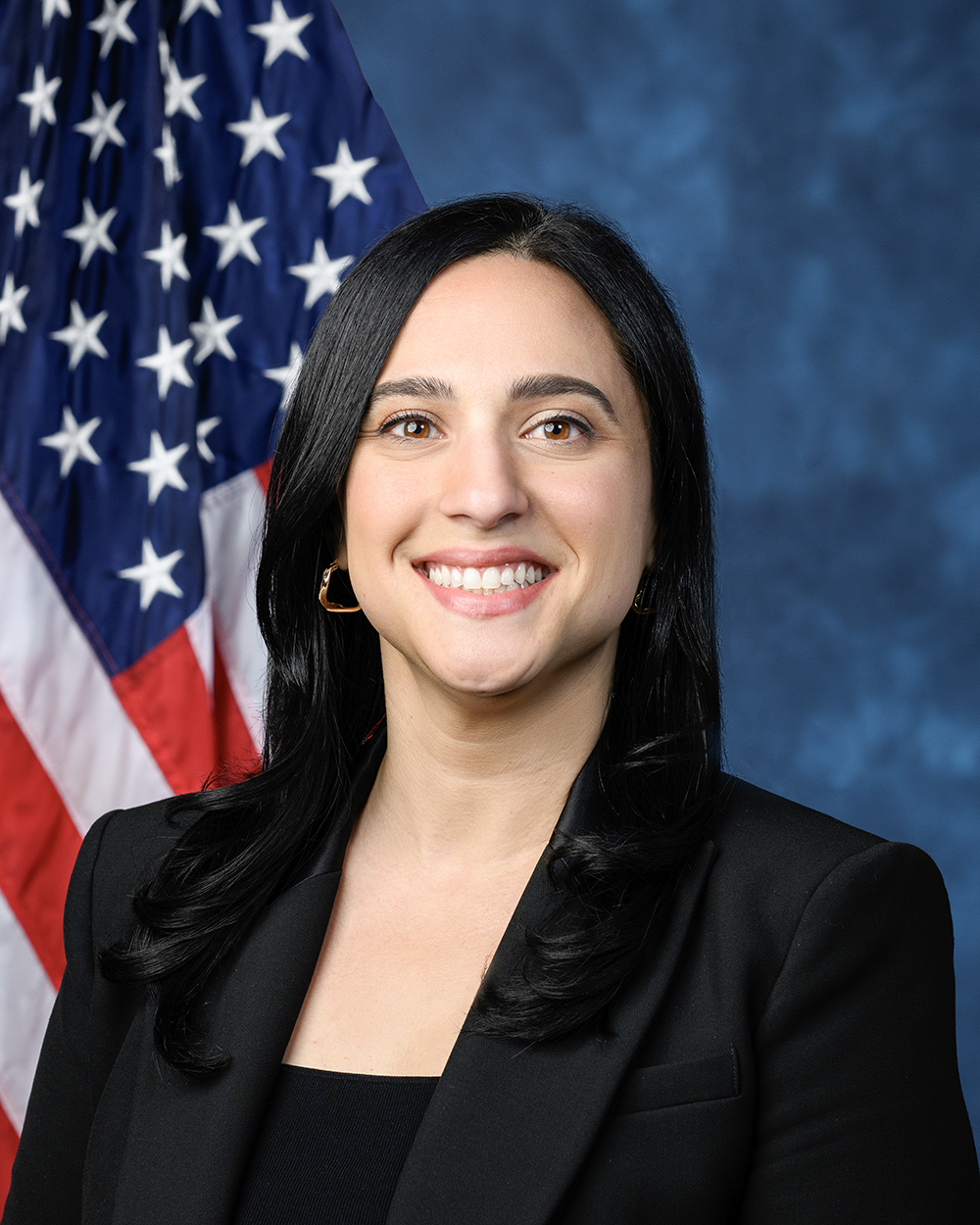
Rep. Yassamin Ansari
Sponsored bills
Maddy summaryThis bill would increase the base pay for Federal Bureau of Prisons correctional officers by 35 percent, replacing their current base rate for all pay calculations (including retirement and locality adjustments). It applies to officers whose duties involve inmate custody, control, or direct custodial contact, including certain supervisory staff and lower-grade Bureau of Prisons employees with similar duties. The pay increase is capped at the Executive Schedule level V rate and would expire after five years unless a Department of Justice Inspector General review finds progress in reducing non-custodial staff use for custodial duties and excessive overtime. The review, required 180 days before expiration, would assess impacts on recruitment, retention, and institutional safety.
Maddy summaryHR 6271, the Food Bank Emergency Support Act of 2025, appropriates $462.5 million to prevent cuts to food assistance benefits during funding shortfalls or government shutdowns. The funds are specifically designated under the Food and Nutrition Act of 2008 to maintain existing benefit levels for programs like SNAP (Supplemental Nutrition Assistance Program) and food bank commodity distributions. It ensures these services continue without interruption, including barring furloughs for personnel involved in food distribution during emergencies. The bill directly supports food banks, grocery retailers distributing benefits, and millions of low-income households relying on these services. It takes effect as if enacted on September 30, 2025.
Maddy summaryHR 6088, the *Restoring Food Security for American Families and Farmers Act of 2025*, repeals specific sections (10101-10108) from a prior reconciliation law. This action revives previous provisions related to food security programs that were modified by those repealed sections. The bill directly affects federal food assistance and agricultural support programs by restoring their prior legal framework. It does not create new policies but reverses recent changes to existing food security measures.
Maddy summaryThis bill updates federal nutrition law to include Puerto Rico in the Supplemental Nutrition Assistance Program (SNAP), allowing it to transition from its current funding method to the same SNAP benefits available to U.S. states. Puerto Rico must submit a 180-day plan to the USDA detailing its transition to SNAP, with approval required within another 180 days. The transition period lasts up to 5 years from the bill's effective date, during which Puerto Rico would continue receiving block grants while preparing for full SNAP participation. This change directly affects Puerto Rico's 1.4 million residents who currently receive nutrition assistance under a separate funding structure.
Maddy summaryHR 909, the Crime Victims Fund Stabilization Act of 2025, modifies how funds from the False Claims Act are deposited into the Crime Victims Fund. It specifies that from 2025 through 2029, certain False Claims Act proceeds (specifically those for qui tam plaintiff payments and government damage reimbursements) cannot be deposited into the fund. This change directly affects the composition of the Crime Victims Fund by excluding these specific revenue streams during the specified period. The bill does not create new benefits or alter victim services; it only adjusts fund allocation rules for existing False Claims Act revenues.
Maddy summaryHR 7016, the "No Funds for NATO Invasion Act," blocks federal funding for any U.S. military invasion of a North Atlantic Treaty Organization (NATO) member country or territory covered by NATO's Article 5 mutual defense clause. The bill prohibits using any federal funds for such invasions and bans U.S. officials from executing these actions. It directly affects U.S. military operations and funding decisions involving NATO members. The law applies to all federal spending, preventing the use of existing budgets for this specific purpose.
Maddy summaryThis concurrent resolution (HCONRES 69) commemorates the 15th anniversary of the January 8, 2011, Tucson shooting that killed six people and injured 13, including former Congresswoman Gabby Giffords. It honors the victims, survivors, and Giffords - now a prominent advocate for gun violence prevention - and recognizes her leadership in promoting civility and reducing gun violence. The resolution also commends Tucson residents and first responders for their resilience and reaffirms Congress’s commitment to respectful dialogue and opposing political violence. As a ceremonial resolution, it does not create new laws or policies.
Maddy summaryHR 6980, the NOVA Act of 2026, prohibits the use of federal funds to support U.S. possession, control, or sovereignty over Venezuela's territory or resources, including military deployments there. It allows limited exceptions: the President may acquire Venezuelan property for diplomatic use (with local government approval) or use existing U.S. properties in Venezuela for embassies. The bill does not apply to properties owned by the U.S. before January 1, 2026, and explicitly states it won't affect funding for emergency humanitarian aid. This bill directly affects U.S. government agencies and programs seeking to fund activities related to Venezuela's governance or military presence.
Maddy summaryThe PROTECT Act of 2026 requires the Environmental Protection Agency (EPA) to list all perfluoroalkyl and polyfluoroalkyl substances (PFAS) as hazardous air pollutants under the Clean Air Act within 180 days of the bill becoming law. This would directly affect industries that manufacture or use PFAS, such as producers of non-stick cookware, firefighting foam, and other consumer products containing these chemicals. The EPA must then, within 365 days, update the list of specific industrial sources (including factories and facilities) that emit PFAS to establish regulatory oversight. These steps create the foundational framework for future EPA regulations targeting PFAS emissions, though the bill itself does not set specific emission limits.