

Maddy summaryHR 7385 establishes a federal grant program to expand access to HIV prevention through PrEP (pre-exposure prophylaxis) for uninsured individuals at high risk of HIV infection. The bill authorizes $400 million annually (2027-2031) to fund grants for eligible entities like clinics, community organizations, and tribal governments to cover PrEP-related costs - including medication, testing, counseling, and transportation - without requiring patient payment. Priority is given to programs serving rural areas, uninsured populations, or high-risk demographic groups, with grantees required to contribute 10% of program costs (except for certain health centers). The program also mandates a "PrEP Pass" card system to streamline access and requires annual reports tracking usage by race, gender, age, and location to measure impact on HIV prevention disparities.
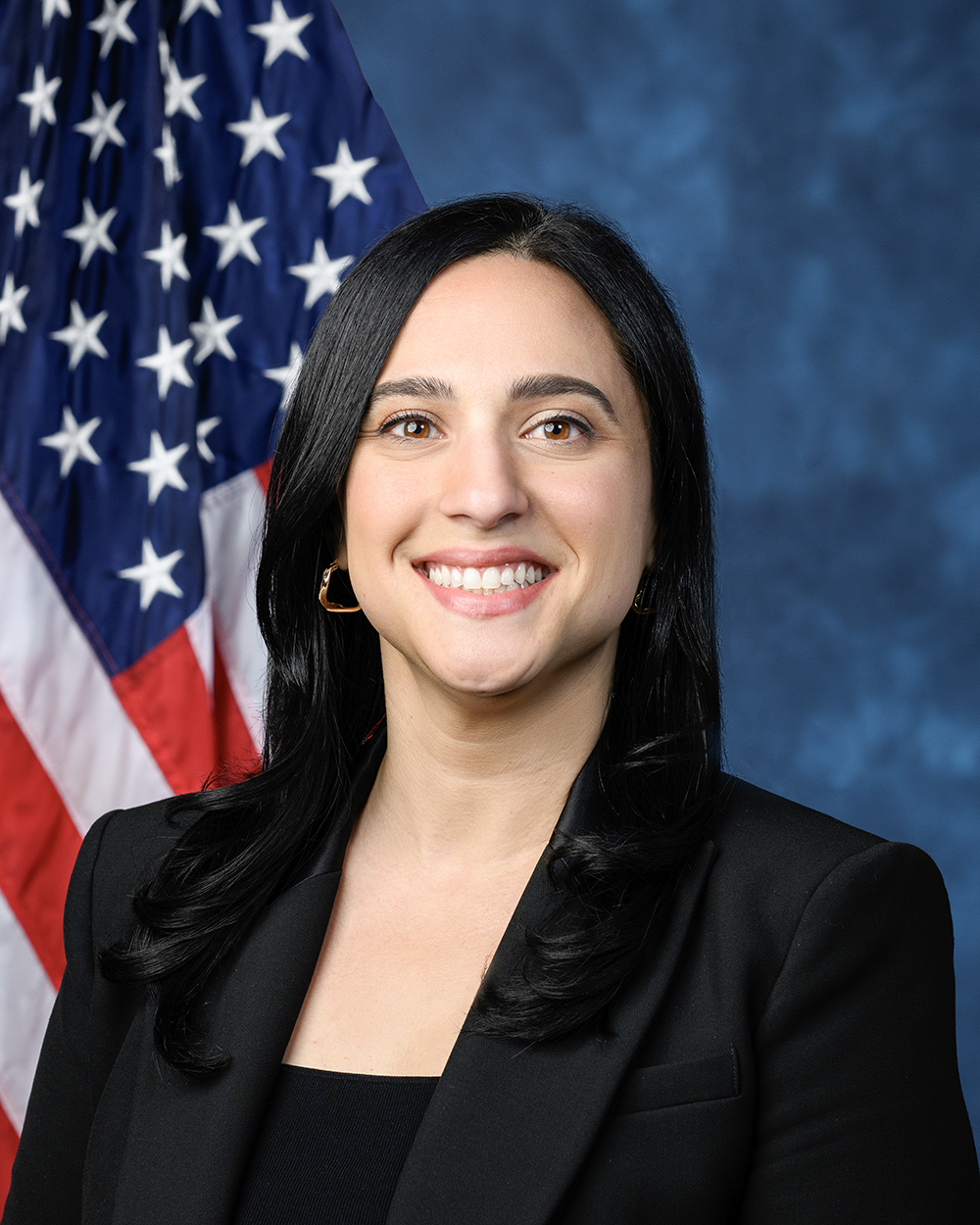
Rep. Yassamin Ansari
Sponsored bills
Maddy summaryHR 7345 directs the Congressional Budget Office (CBO) to study the long-term economic effects of immigration policies implemented beginning January 20, 2025. The CBO must assess impacts across specific sectors (like healthcare, agriculture, STEM fields), public safety concerns, demographic shifts, small business effects, and tax revenue at federal, state, and local levels. Federal agencies - including Homeland Security, the Bureau of Labor Statistics, and the IRS - must provide requested data to support this study. The report must be completed within 180 days of the bill’s enactment or by the end of the current congressional session, whichever comes first. This is a procedural study bill, not a policy change.
Maddy summaryHR 7346, the Drain ICE Act of 2026, repeals specific funding provisions (sections 90003 and 100052) from the "One Big Beautiful Bill Act" and cancels all unspent funds allocated under those sections. This bill directly affects ICE’s detention budget by removing existing financial authority for detention operations. It does not change immigration enforcement practices or directly impact individuals; it solely modifies budgetary allocations. The bill focuses on eliminating funding mechanisms, not on policy changes for migrants or enforcement. (Procedural bill; summary limited to 2 sentences as specified.)
Maddy summaryHR 7335 establishes comprehensive humanitarian standards for individuals held in U.S. Immigration and Customs Enforcement (ICE) and U.S. Customs and Border Protection (CBP) custody. The bill requires facilities to provide immediate health screenings within 12 hours (6 hours for high-risk individuals like children, pregnant people, or those with medical conditions), ensure access to adequate water, sanitation, food (with 2,000+ calories daily for adults), and age-appropriate shelter. It mandates specific facility standards including separate housing for males and females, accessible accommodations for people with disabilities, daily outdoor access for those detained over 48 hours, and proper medical equipment and personnel on-site. The bill also requires regular inspections, staff training on humanitarian protocols, and public reporting of sexual abuse complaints. These standards directly affect all individuals detained by ICE or CBP, with special protections for vulnerable groups like children, pregnant people, and those with medical needs.
Maddy summaryHR 7265, the Vote by Mail Tracking Act, requires all government entities sending mail-in ballots for federal elections to use a standardized Postal Service barcode on ballot envelopes. This barcode enables tracking of each individual ballot, while also mandating specific envelope designs and machineability standards set by the Postal Service. The bill applies to all mail-in ballots for federal office elections starting in 2026, but excludes Federal write-in absentee ballots under the Uniformed and Overseas Citizens Absentee Voting Act. The Postmaster General must provide compliance guidance to government entities by June each year to implement the tracking system.
Maddy summaryHR 5658, the Child Care for Every Community Act, establishes a federal framework to create universal, high-quality child care and early learning programs available to all young children not yet required to attend school. The bill requires that covered children (children below compulsory school age) be entitled to participate in these programs, with no fees for low-income families and sliding-scale fees for others based on family income. Key provisions include requiring full-working-day, full-calendar-year care; setting national quality standards for staff qualifications and facilities; mandating comprehensive services including health, nutrition, and family support; and requiring coordination with schools to support children's transitions to kindergarten. The bill directly affects families seeking child care, child care providers, and local communities that would administer these programs through designated "prime sponsors."
Maddy summaryHJRES 144 is a congressional disapproval resolution targeting a specific rule issued by the Department of Veterans Affairs (VA) on December 31, 2025, which addressed "Reproductive Health Services" (90 Fed. Reg. 61310). This resolution directs Congress to disapprove the VA rule under Chapter 8 of Title 5, U.S. Code, meaning the rule would have no legal effect if passed. The bill directly affects the VA's implementation of reproductive health services for veterans, as it seeks to nullify the agency's existing policy. This is a procedural measure, not a substantive policy change, aimed solely at blocking the VA's rule through congressional action.
Maddy summaryHR 7246 establishes two new bodies within the Financial Stability Oversight Council to address climate-related financial risks. It creates a Climate Financial Risk Committee to coordinate agency efforts and an Advisory Committee with 30 members (including climate scientists, financial experts, and consumer advocates, but excluding oil/gas industry representatives) to provide input. The bill requires annual reports assessing climate risks to financial stability, updates to banking supervisory guidance for institutions over $50 billion in assets, and detailed data collection on homeowners insurance underwriting by zip code. These provisions directly affect federal financial regulators (like the Fed, SEC, and FDIC), banks, insurers, and the broader financial system by mandating structured analysis of climate risks.
Maddy summaryHCONRES 68 would require the President to remove U.S. military forces from Venezuela unless Congress has explicitly authorized their use through a declaration of war or a specific law. This applies to any U.S. Armed Forces currently stationed in Venezuela without such authorization. The resolution is based on the War Powers Resolution, which mandates congressional oversight of military deployments. It directs the immediate withdrawal of unapproved forces without adding new time limits or conditions.
Maddy summaryHR 7190 would end immigration detention and electronic monitoring by requiring the immediate release of all detained noncitizens on their own recognizance within six months and repealing all federal laws authorizing detention. It prohibits using federal funds for detention facilities, ankle monitors, or immigration enforcement activities after specific deadlines (six months for monitors, two years for detention contracts). Instead, it establishes a new grant program to fund community-based wrap-around services - including housing, healthcare, mental health support, legal aid, and job training - provided voluntarily by non-profit organizations without surveillance or data sharing with federal agencies. The bill directly affects noncitizens currently held in detention or under electronic monitoring.