

Maddy summaryThis bill limits funding for the USDA Office of Ethics to $4,136,000 for fiscal year 2024. It directly affects the Office of Ethics by restricting its available budget for operations and oversight activities during that fiscal year. The provision is a straightforward budgetary constraint with no additional policy mechanisms or provisions beyond setting this specific spending cap.
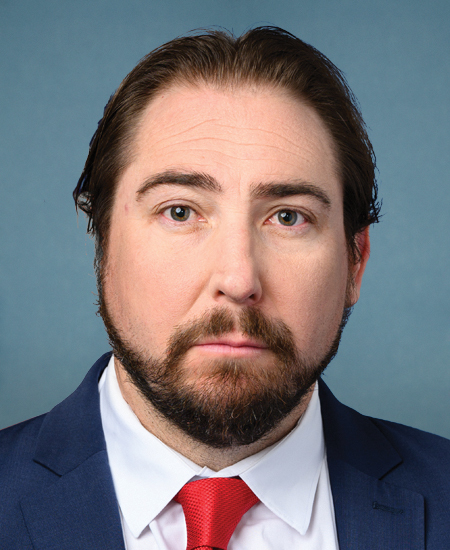
Rep. Elijah Crane
Sponsored bills
Maddy summaryHR 2175 sets a funding limit of $115,804,000 for the U.S. Department of Interior's Office of Surface Mining Reclamation and Enforcement (OSMRE) for fiscal year 2024. This bill directly affects the OSMRE by restricting its available budget for regulatory and technological activities during FY2024. The provision is purely procedural, stating that no funds may be used for this office beyond the specified amount. It does not change regulatory requirements or create new programs, only setting a financial ceiling on existing appropriations.
Maddy summaryThis bill sets a specific spending limit for certain federal agencies. It restricts funding for the Related Agencies and the Smithsonian Institution's Salaries and Expenses to no more than $739,994,000 for fiscal year 2024. The provision directly affects these agencies' budgets, preventing them from using more than this capped amount for salaries and operations during that fiscal year.
Maddy summaryHR 2274 sets a $1.33 billion funding cap for the USDA's Rural Development Rental Assistance Program during fiscal year 2024. This bill directly limits the total amount of federal funds available for this specific program, which provides housing assistance to low-income rural residents. The key provision is a strict spending ceiling that prevents the program from exceeding $1,331,400,000 in FY2024. As a procedural funding limit, it does not create new policies or alter program eligibility.
Maddy summaryThis bill (HR 2273) sets a strict spending limit of $1 billion for the USDA's Rural Housing Service and Rural Housing Insurance Fund Program Account during fiscal year 2024. It directly affects rural housing programs funded through these specific USDA accounts by restricting the total available funds to this cap. The key provision is a direct funding limitation, preventing any use of funds exceeding $1 billion for these programs in FY2024.
Maddy summaryHR 2188 sets a spending cap of $717,723,000 for the Environmental Protection Agency's Science and Technology programs during fiscal year 2024. This bill directly limits the available funds for these specific EPA science initiatives, preventing them from exceeding the specified amount. The key provision is a strict annual budget restriction on EPA's science funding, without altering environmental regulations or creating new programs.
Maddy summaryHR 2215 sets a funding limit of $2,994,000 for the Council on Environmental Quality and the Office of Environmental Quality within the Executive Office of the President for fiscal year 2024. The bill directly affects these two agencies by restricting their available budget for that fiscal year. It does not change program requirements or create new policies, but instead limits the amount of federal funds they can use. This is a procedural budget measure that specifies a maximum funding level for these specific environmental offices.
Maddy summaryHR 2187 limits funding for the U.S. Department of Interior's Office of Natural Resources Revenue to $137,505,000 for fiscal year 2024. This bill directly affects the office responsible for managing federal revenue from natural resources like oil, gas, and minerals. It sets a specific spending cap on funds available to this agency for FY2024, preventing it from exceeding that amount. The bill is procedural, focusing solely on budgetary constraints without altering program requirements or creating new policies.
Maddy summaryThis bill sets a maximum spending limit of $55,735,000 for the U.S. Department of Interior's Natural Resource Damage Assessment and Restoration Working Capital Fund in fiscal year 2024. It directly affects how much funding the Interior Department can use for restoring natural resources damaged by spills or pollution. The bill does not change program policies but restricts available funds to this specific dollar amount. This is a procedural budget constraint, not a substantive policy change.
This bill specifies that no FY2024 funding is authorized to be appropriated or made available for the Department of the Interior's Energy Community Revitalization Program.