

Maddy summaryHR 3792 extends U.S. security funding for Israel through 2028 (Section 3) and expands energy cooperation to include advanced nuclear technologies and carbon capture (Section 5). It requires annual reports on regional security partnerships involving Israel (Section 6) and ensures countries in the Abraham Accords can access U.S. development programs (Section 8). The bill also mandates reports on diplomatic efforts against ICC investigations targeting the U.S. and Israel (Section 10) and encourages people-to-people programs to strengthen the Abraham Accords (Sections 7, 9). These provisions directly affect Israel’s diplomatic engagement, security partnerships, and economic cooperation in the Middle East.
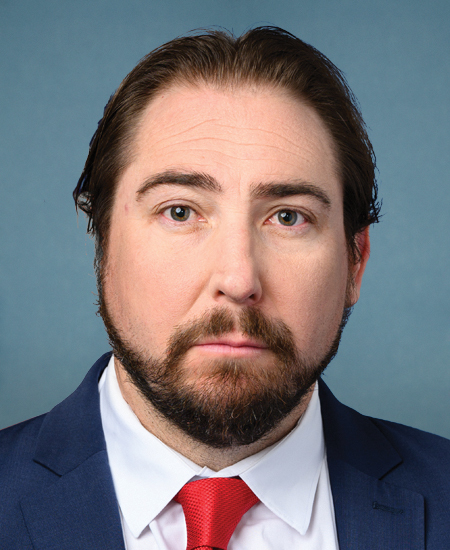
Rep. Elijah Crane
Sponsored bills
Maddy summaryHR 3754, the Restoring Vehicle Market Freedom Act of 2023, repeals five specific federal tax credits for clean and alternative fuel vehicles. It eliminates the previously owned clean vehicle credit (Section 25E), alternative motor vehicle credit (Section 30B), alternative fuel vehicle refueling property credit (Section 30C), new qualified plug-in electric vehicle credit (Section 30D), and credit for qualified commercial clean vehicles (Section 45W). These repeals apply to vehicles acquired or property placed in service after the bill's enactment date, directly affecting new vehicle buyers who previously qualified for these tax incentives. The bill makes no new policy changes but removes existing tax benefits for clean vehicle purchases under the Internal Revenue Code.
Maddy summaryHR 3212, the "Shall Not Be Infringed Act of 2023," repeals or prevents funding for numerous gun control measures across federal agencies. The bill eliminates funding for Bureau of Alcohol, Tobacco, Firearms and Explosives (ATF) modernization efforts, blocks Department of Veterans Affairs programs related to firearm storage, and prohibits CDC and NIH from funding research on firearm injury prevention. It also repeals specific provisions from the Bipartisan Safer Communities Act related to background checks and domestic violence restrictions, and prevents the use of federal funds for red flag laws or gun registries. The bill directly affects federal agencies and programs that implement gun control measures, including ATF, VA, HHS, CDC, NIH, and the Department of Education.
Maddy summaryHR 3740, the Federal Employee Student Debt Transparency Act, requires certain high-level federal employees to publicly disclose their student loan debt. Specifically, it applies to Senior Executive Service (SES) employees and Schedule C appointees (political appointees in policy roles), mandating they report their full student loan balances (including federal loans under the Higher Education Act) within 60 days of taking the position and annually by February 28. The Office of Government Ethics must then submit an annual report to Congress by May 1, detailing the total debt owed by all covered employees and identifying those who failed to report. This bill focuses solely on transparency, not debt relief or policy changes.
Maddy summaryHR 3176, the Veterans Health Care Freedom Act, creates a 3-year pilot program allowing eligible veterans (enrolled in VA care) to choose any provider within the VA healthcare system or approved non-VA facilities, removing prior location restrictions for VA care. Veterans can select primary and specialty care providers freely, with VA coordinating care through a designated primary provider. After the pilot, these expanded choices become permanent policy, requiring the VA to offer full provider selection without geographic or administrative barriers. The bill implements these changes using existing VA funding without new appropriations.
Maddy summaryHR 3612, the "No ESG at TSP Act," prohibits the Thrift Savings Plan (TSP) - the federal retirement plan for government employees - from offering investment funds that use environmental, social, or governance (ESG) criteria in their investment decisions. It specifically bans mutual funds, ETFs, or other vehicles marketed with ESG criteria (such as climate policies, diversity metrics, or gun industry focus) from the TSP's "mutual fund window." The bill requires the TSP Board to remove existing ESG-linked funds within 90 days, notify participants about switching to non-ESG options, and automatically move unselected funds to a government securities fund. This directly affects federal employees and retirees who use the TSP for retirement savings.
Maddy summaryHR 2229 prohibits any federal funding for Related Agencies and the Presidio Trust during fiscal year 2024. The bill imposes a strict $0 limit on appropriations for these entities, meaning they cannot access or spend any allocated funds for the 2024 fiscal year. This is a procedural funding restriction affecting specific federal agencies and the Presidio Trust, with no operational changes beyond halting all financial support.
Maddy summaryHR 3497, the Uranium Miners and Workers Act of 2023, expands eligibility for compensation under the Radiation Exposure Compensation Act (RECA) to include uranium miners, millers, ore transporters, and core drillers who worked in specified states between 1942 and 1978 and later developed certain cancers or kidney diseases. The bill redirects $475 million from unobligated coronavirus relief funds (from acts like the CARES Act and American Rescue Plan) to the RECA trust fund to pay claims. It also extends the RECA program's funding period by 4 years and adjusts the deadline for submitting claims to 4 years after the bill's enactment. This law directly affects former uranium industry workers who developed radiation-related illnesses.
Maddy summaryHR 3492, the Gun Owner Registration Information Protection Act, prohibits federal agencies from funding or supporting state databases that track lawfully owned firearms or their owners. This directly affects states maintaining such databases, requiring them to cover costs themselves if they choose to keep these systems operational. The bill allows federal funding for databases tracking lost or stolen firearms, as specified in the exception. The key policy change is blocking federal financial support for databases compiling information on legal gun ownership, without banning the databases outright.
Maddy summaryThis bill sets a strict spending cap of $819,492,000 for the USDA's Natural Resources Conservation Service (NRCS) Conservation Operations program during fiscal year 2024. It directly limits the budget available to this specific program, preventing the use of funds beyond the specified amount. The key provision is a mandatory funding ceiling with no additional program requirements or changes to conservation activities. This is a procedural budgetary restriction affecting only the NRCS Conservation Operations funding level.