

Maddy summaryThe Protecting Taxpayers and Victims of Unemployment Fraud Act allows states to retain 25% of funds recovered from fraudulent unemployment claims (for pandemic-related benefits) to improve fraud prevention systems. States can use these retained funds to modernize unemployment systems, hire fraud investigators, reimburse administrative costs, or conduct other fraud prevention activities. The bill requires states to use specific data matching systems like the National Directory of New Hires to detect fraud more effectively. It modifies federal rules to ensure states can use recovered funds without violating deposit requirements. This legislation aims to reduce unemployment fraud while protecting taxpayers and victims of fraud.
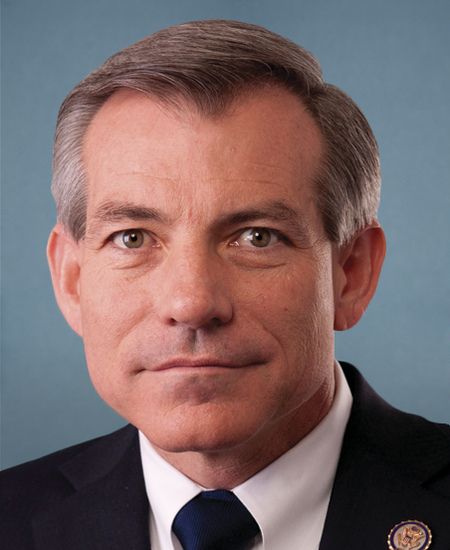
Rep. David Schweikert
Sponsored bills
American Innovation and R&D Competitiveness Act of 2023 This bill eliminates the five-year amortization requirement for research and experimental expenditures, thus allowing continued expensing of such expenditures in the taxable years in which they are incurred.
Maddy summaryThe Puppy Protection Act of 2023 sets new standards for businesses that sell dogs (dealers), directly affecting pet stores and breeders operating under the Animal Welfare Act. It requires specific housing with space allowances based on dog size (e.g., 12-30 square feet per dog), temperature control (45-85°F), clean food twice daily, and daily exercise or socialization with humans/dogs for at least 30 minutes. The bill also mandates annual veterinary exams including dental care, strict breeding limits (e.g., age restrictions, maximum 2 litters in 18 months), and efforts to place retired breeding dogs in homes instead of selling them to other breeders. Regulations must be finalized within 18 months of enactment.
Maddy summaryThis bill increases livestock indemnity payment rates from 75% to 100% of losses for ranchers affected by Mexican gray wolves. It creates a new emergency relief program to compensate livestock producers whose herds suffer losses due to wolf attacks, using a formula based on herd size, historical depredation rates, increased management costs, and reduced birth rates. The Secretary of Agriculture must develop this formula within 180 days and annually report on relief distribution to Congress. The program directly affects ranchers in states with wolf populations, providing financial support for verified wolf-related livestock losses.
Maddy summaryHR 2539 permanently extends the New Markets Tax Credit (NMTC) program, which incentivizes private investment in low-income communities. The bill directly affects community development financial institutions (CDFIs) and investors who fund projects in designated low-income areas by ensuring the credit remains available beyond 2025. Key provisions include automatically adjusting the credit amount annually for inflation starting in 2024 and clarifying that the credit can be used to offset alternative minimum tax liability. This maintains the program’s effectiveness in channeling capital to underserved neighborhoods without changing eligibility or funding levels.
Maddy summaryHR 1831 would award Billie Jean King a Congressional Gold Medal to honor her lifelong advocacy for equal rights in sports and society. The bill directs the Secretary of the Treasury to strike the medal and have it presented by congressional leaders, recognizing her pivotal role in advancing women's equality through tennis (including founding the Women’s Tennis Association and securing equal prize money) and her broader impact on society through initiatives like Title IX advocacy.
Maddy summaryThis bill creates a new visa category for temporary workers in mobile entertainment, such as carnival and circus staff who travel across the U.S. It directly affects carnival operators, seasonal workers, and food/concession vendors at fairs and festivals. The key provision requires Department of Labor certification to ensure U.S. workers are not displaced and that hiring foreign workers won’t lower wages or working conditions. It defines "mobile entertainment provider" to include traveling carnivals, circuses, and affiliated seasonal services like food concessions at local events.
Let Experienced Pilots Fly Act of 2023 This bill raises the mandatory retirement age for pilots engaged in commercial aviation operations from 65 to 67 years of age, unless the operation takes place in (1) the territorial airspace of a foreign county where such operations are prohibited by the foreign country, or (2) international airspace where such operations are not in compliance with the Annexes to the Convention on International Civil Aviation. The Federal Aviation Administration must also submit a report to Congress on further increasing the age limitation for pilots engaged in commercial aviation operations.
Maddy summaryHCONRES 28 is a symbolic resolution expressing Congress's view that tax-exempt fraternal benefit societies - organizations providing life, health, and accident benefits to members - have long delivered critical community support. It states these societies, with about 7 million members nationwide, generate significant annual value through charitable work and volunteer activities (estimated at over $3.8 billion yearly). The resolution affirms that their tax-exempt status under Section 501(c)(8) of the tax code is essential for sustaining their volunteer-driven model and relieving pressure on government safety programs. As a non-binding expression of congressional sentiment, it does not alter existing laws or create new obligations.
Maddy summaryThe PHIT Act of 2023 allows individuals and families to deduct certain fitness expenses as medical costs on their federal taxes. It covers gym memberships, fitness classes, and specific equipment used exclusively for exercise (like home workout gear), with a yearly limit of $1,000 ($2,000 for joint returns). Expenses for activities like golf, hunting, or non-exercise-focused facilities (e.g., private clubs) are excluded, and equipment must be used solely for physical activity. This directly affects taxpayers who pay for qualifying fitness programs, making these costs partially tax-deductible under revised IRS rules.