

American Energy Independence from Russia Act This bill addresses U.S. energy security, the production of oil and gas, and the importation and exportation of oil and gas. Specifically, the President must submit an energy security plan that (1) evaluates U.S. crude oil, petroleum products, and natural gas imports and exports; (2) assesses the energy security risks of such imports; and (3) includes strategies to encourage increased domestic production of crude oil, petroleum products, and natural gas to offset Russian imports. The bill also approves the TransCanada Keystone Pipeline in Phillips County, Montana for the import of oil from Canada to the United States. In addition, the bill grants the Federal Energy Regulatory Commission the authority to approve or deny applications for facilities to export natural gas from the United States to foreign countries or import natural gas from foreign countries. The President and federal agencies must obtain congressional approval before (1) prohibiting or substantially delaying certain new energy mineral leases or permits on federal lands, or (2) withdrawing certain federal lands from mineral and geothermal leasing activities. The Department of the Interior must resume issuing oil and gas leases on federal lands and offshore submerged lands in the Outer Continental Shelf as specified under the bill. Finally, the bill limits the drawdown of petroleum in the Strategic Petroleum Reserve until the Department of Energy develops a plan to increase the percentage of federal lands leased for oil and gas production.
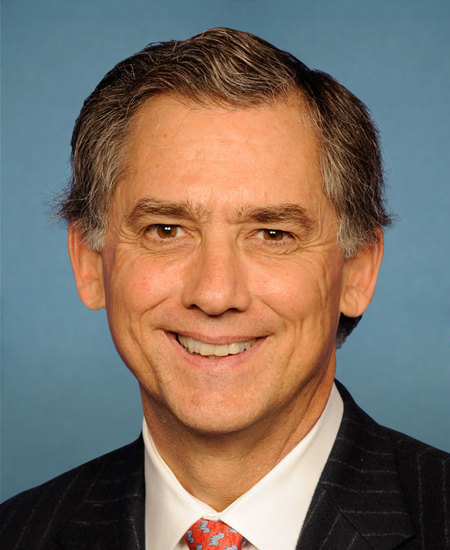
Rep. J. French Hill
Sponsored bills
This resolution strongly condemns the ongoing violence, war crimes, crimes against humanity, and systematic human rights abuses being carried out by Russia's military and its proxies at the direction of Russian President Vladimir Putin. It also encourages the U.S. government and partner nations to use their influence and vote in international organizations to hold those responsible for such crimes and abuses accountable.
Maddy summaryThis non-binding resolution, introduced in March 2022, calls for the House wing of the U.S. Capitol and House Office Buildings to reopen to the public, citing the unprecedented closure since March 2020 as the longest in history. It urges removing visitor restrictions like logs and prioritizing public access, noting that other state capitols and public venues operated safely during the same period. As a "sense" resolution, it does not mandate action but expresses the House’s position on restoring public access to a democratic symbol. The resolution specifically targets the House wing (not the full Capitol) and aims to encourage the Capitol Police and House leadership to act.
This joint resolution nullifies the rule titled Medicare and Medicaid Programs; Omnibus COVID-19 Health Care Staff Vaccination , which was issued by the Centers for Medicare & Medicaid Services on November 5, 2021. The rule requires health care providers, as a condition of Medicare and Medicaid participation, to ensure that staff are fully vaccinated against COVID-19.
Protecting the Future of America's Federal Contractors Act This bill prohibits federal agencies from evaluating bids and proposals on the basis of information related to noncompliance with a federal contractor COVID-19 vaccine mandate. Specifically, the agency may not, on the basis of COVID-19 federal contractor vaccine mandate noncompliance information (1) unfavorably evaluate the offeror's past performance, or (2) exclude the offeror from being awarded the contract.
Upholding the 1995 Jerusalem Embassy Law Act of 2021 This bill prohibits using federal funds to establish any diplomatic facility in Jerusalem other than the U.S. Embassy to Israel.
Preventing Racial Profiling in Lending Act This bill prohibits a federal agency from requiring any person or entity to estimate a borrower's race or ethnicity through visual observation or surname when extending credit.
Internal Revenue Service Processing Returns Instead Of Removing Innocent Taxpayers' Income Every Season Act of 2022 or the IRS PRIORITIES Act of 2022 This bill prohibits the Internal Revenue Service from hiring new enforcement personnel (i.e., special agents in the criminal investigation division, revenue officers, or revenue agents) until all individual tax returns for 2019 and 2020 are processed.
Small Lenders Exempt from New Data and Excessive Reporting Act or the Small LENDER Act This bill exempts certain financial institutions and transactions from the Consumer Financial Protection Bureau (CFPB) reporting requirements with respect to data about small business credit applications. Under the bill, the requirements apply only to financial institutions that originate at least 500 credit transactions to small businesses in each of the preceding two years. The bill further defines small businesses as those with annual revenue of $1 million or less. Currently, the CFPB has proposed a rule that the requirements apply only to financial institutions that originate at least 25 annual credit transactions to small businesses in each of the preceding two years. The rule further defines small businesses as those with annual revenue of $5 million or less.
This bill requires the Consumer Financial Protection Bureau to issue a rule prior to deleting or modifying publicly available small business loan data due to privacy concerns. Specifically, the bureau must describe the intended modifications and deletions and explain how such modifications and deletions will advance a privacy interest.