

Maddy summaryHR 7092, the "Protecting Private Job Creators Act," exempts fixed-income securities from SEC Rule 15c2-11. This rule change specifically applies to securities like bonds, notes, debentures, and asset-backed securities used by businesses to raise capital. The bill codifies the SEC’s 2023 exemption of fixed-income securities sold under Rule 144A from Rule 15c2-11 requirements, which the SEC had previously applied without formal rulemaking. It directly affects businesses relying on fixed-income markets to access capital, ensuring they are not subject to the rule’s quotation disclosure requirements.
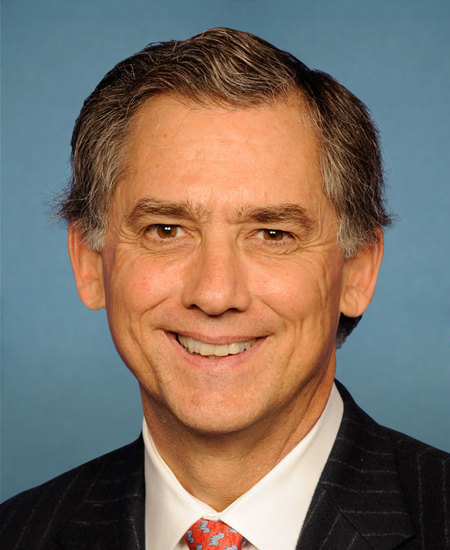
Rep. J. French Hill
Sponsored bills
Maddy summaryHR 7014, the Protect Medicaid Act, prohibits federal Medicaid funding for the administrative costs associated with providing health benefits to noncitizens who are not lawfully admitted permanent residents and are ineligible for Medicaid due to immigration status. It directly affects states that currently offer health benefits to such noncitizens, requiring them to cover administrative expenses through state funds instead of federal Medicaid dollars. The bill amends federal law to add a specific prohibition on using federal funds for these administrative costs, while leaving the provision of medical care itself unaffected. Additionally, it mandates an Inspector General report analyzing how states separate administrative costs, ensure compliance, and finance these programs, including impacts on drug pricing. The law focuses solely on administrative funding, not on restricting medical benefits for eligible individuals.
Maddy summaryThe LAKES Act (HR 6906) allows local governments and nonprofit organizations to collect and retain user fees for managing lakes and recreation facilities under Army Corps of Engineers projects. It requires that at least 80% of fees collected at a specific site be used for that site's maintenance, while permitting entities to keep up to 100% of fees for related operations. The bill modifies existing laws to ensure these fees supplement, not replace, regular federal funding for recreation facilities. It directly affects local public entities and nonprofits managing Corps-managed water resources. The key change is enabling these groups to retain and use user fees they collect, improving local funding for facility upkeep.
Maddy summaryThe Death Tax Repeal Act would eliminate the federal estate tax and generation-skipping transfer tax for estates of people who die on or after the bill's enactment date, and for generation-skipping transfers made after that date. It would also establish a new $10 million lifetime gift tax exemption (adjusted annually for inflation) and replace the existing gift tax rate schedule with a revised structure. These changes would primarily affect high-net-worth individuals and their heirs, as the estate tax and gift tax typically apply to large estates or gifts exceeding the new exemption threshold. The bill's provisions would take effect on the date of enactment, with transitional rules for the year the bill is signed into law.
Maddy summaryThis bill requires the Securities and Exchange Commission (SEC) to review its final rules every five years to determine if revisions (including rescission) are needed to promote capital formation, maintain fair markets, and protect investors. It mandates the SEC to consider how each rule interacts with other existing regulations cumulatively, not just individually. The SEC must submit annual reports to Congress detailing its review plan and biennial reports identifying reviewed rules, findings, and any missed deadlines. This applies specifically to SEC rules under the Securities Act of 1933, Securities Exchange Act of 1934, and related investment laws.
Maddy summaryThe RIFLE Act of 2024 changes how the federal government handles violations by firearms licensees, affecting gun dealers and manufacturers who hold federal licenses. It creates a graduated penalty system where non-willful violations require the Attorney General to work with licensees to fix issues before taking action, while willful violations may lead to license suspension or revocation only after proper notice, hearing, and evidence of continued noncompliance. The bill establishes new procedures for administrative hearings, defines "willful" violations more clearly, and gives licensees 90 days to liquidate inventory after license expiration or revocation, with extensions possible for reasonable cause. These changes aim to create a more transparent process for addressing violations while maintaining public safety standards.
Maddy summaryHCONRES 82 is a symbolic resolution recognizing and supporting the New Heights Bid Committee's effort to secure the 2027 FIFA Women's World Cup for a joint U.S.-Mexico bid. It directs Congress to encourage the President and federal agencies to assist the committee in meeting hosting requirements and to consider future legislation if the bid is successful. The resolution does not create new laws or funding but formally expresses congressional backing for the bid committee's work. It directly affects the New Heights Bid Committee by affirming congressional support for their efforts to host the tournament.
Financial Stability Oversight Council Reform Act This bill subjects the budgets of the Financial Stability Oversight Council (FSOC) and the Office of Financial Research (OFR) to the annual appropriations process and establishes requirements for reports and a public notice and comment period. The budgets of the FSOC and the OFR are funded by assessments on financial institutions which are deposited into the Financial Research Fund and, under current law, are immediately available to be spent. This bill requires the funding from the Financial Research Fund to be made available by appropriations acts. The OFR must submit quarterly reports to Congress regarding its finances; workforce; and actions taken to achieve the goals, objectives, and performance measures of the office. The OFR must provide a public notice and comment period of at least 90 days before issuing any proposed report, rule, or regulation. The bill expands the duties of the OFR to include publishing an annual work plan; consulting with other federal departments and agencies with relevant expertise prior to preparing any public report with respect to a specified entity, class of entities, or financial product or service; and developing and implementing a cybersecurity plan. The Government Accountability Office must annually audit the cybersecurity plan and its implementation.
Maddy summaryThis bill prohibits the U.S. Treasury from exchanging Special Drawing Rights (SDRs) - an international reserve asset managed by the IMF - held by Iran. It requires the Treasury to urge other IMF member countries to block Iran from exchanging its SDRs and directs the U.S. IMF representative to oppose any new SDR allocations to Iran. The law directly affects Iran’s ability to access and utilize these financial assets through the IMF. It implements a financial restriction targeting Iran’s international monetary holdings without altering broader IMF operations.
Maddy summaryHR 6734 prohibits the use of federal funds to finalize, implement, or enforce the Bureau of Alcohol, Tobacco, Firearms, and Explosives' (ATF) proposed rule (2022R-17) defining "engaged in the business as a dealer in firearms." This bill directly affects the ATF by blocking funding for this specific regulatory rule, which was proposed in August 2023. The legislation does not create new requirements but prevents federal resources from being used to advance this particular ATF regulation.