

Maddy summaryHR 709, the Muhammad Ali Congressional Gold Medal Act, authorizes Congress to award Muhammad Ali a gold medal in recognition of his life and achievements. The bill directs the Secretary of the Treasury to strike a gold medal for presentation by congressional leaders, which will then be given to Ali's widow, Lonnie Ali. Duplicate bronze medals may be sold to cover production costs, with proceeds deposited into the U.S. Mint fund. This is a commemorative measure, not a policy change affecting laws or programs.
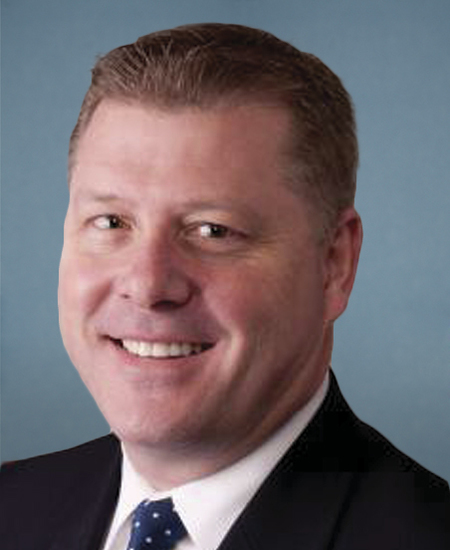
Rep. Eric A. "Rick" Crawford
Sponsored bills
Maddy summaryHR 646, the SHORT Act, clarifies firearm definitions under federal law to exclude antique firearms and certain collector items from the "firearm" category. It removes restrictions on short-barreled rifles and shotguns used lawfully by eliminating specific prohibitions in federal law and preempts state laws imposing taxes or registration requirements on these weapons. The bill also mandates the destruction of federal records related to short-barreled rifles, shotguns, and other weapons defined under the National Firearms Act within 365 days of enactment. This directly affects owners of these specific firearms, particularly collectors and individuals possessing short-barreled weapons legally under federal law. The key mechanisms include revised definitions, federal preemption of state regulations, and record destruction requirements.
Maddy summaryHR 683 (PASS Act of 2023) expands the Committee on Foreign Investment in the United States (CFIUS) review process to cover foreign investments in U.S. agriculture businesses, agricultural biotechnology, and private farmland. It mandates that the President block transactions involving foreign entities from China, Russia, Iran, or North Korea that would give them control over U.S. agricultural operations or land used for farming. The bill allows limited presidential waivers for national security reasons but requires a 30-day review period before any waiver. Additionally, it requires the Secretary of Agriculture to submit biannual reports to Congress on risks posed by foreign ownership in U.S. agriculture.
This resolution expresses support for the Supreme Court's holding in Dobbs v. Jackson Women's Health Organization (that there is no constitutional right to abortion). The resolution also applauds the courage of the Justices for standing by their allegiance to the Constitution and the legitimacy of the Supreme Court, and it expresses a commitment to supporting policies that continue to protect all life.
Maddy summaryHR 564 redirects unspent funds from the American Rescue Plan Act of 2021 (ARP) to reduce the federal deficit. It requires all unobligated ARP funds - money allocated but not yet spent - to be sent to the Treasury's general fund upon the bill's enactment. This action directly affects federal budget accounting by canceling unused appropriations rather than creating new programs or aiding specific groups. The bill does not alter existing laws or services but focuses solely on reallocating existing, unspent federal funds. It is a procedural budget measure with no direct impact on taxpayers or beneficiaries of the ARP.
Maddy summaryThis bill expands foreign investment review to cover U.S. agriculture by requiring transactions involving foreign control of agricultural businesses to undergo scrutiny by the Committee on Foreign Investment (CFIUS). It classifies agricultural supply chains as both critical infrastructure and critical technologies, directly affecting foreign entities seeking to acquire or influence U.S. farms, food production, and supply chains. The bill mandates annual reports from the Secretary of Agriculture and the Government Accountability Office on foreign investments in agriculture, including risks to food security and intellectual property. These provisions aim to mitigate potential threats to U.S. food supply chains from foreign adversaries through enhanced oversight.
Maddy summaryThis bill prohibits all federal funding from being provided to EcoHealth Alliance, Inc. and its directly controlled subsidiaries, related organizations, or subgranted entities. It directly affects EcoHealth Alliance by cutting its access to federal grants, contracts, or other funding sources. The bill also requires the Government Accountability Office (GAO) to study and report on all federal funds provided to EcoHealth Alliance - whether intentionally or accidentally - to Chinese entities like the Wuhan Institute of Virology or the Chinese Communist Party, during the prior decade. The report must detail these funds and include any related agreements involving foreign entities. The bill focuses on restricting funding flows and requiring transparency, not on policy outcomes or advocacy.
Maddy summaryHR 22, the *Protecting America’s Strategic Petroleum Reserve from China Act*, blocks the U.S. government from selling petroleum from the Strategic Petroleum Reserve to entities under Chinese Communist Party control or unless sellers guarantee the oil won’t be exported to China. It directly affects the Department of Energy’s management of the reserve and any foreign entities seeking to purchase reserve petroleum. The key mechanism requires the Secretary of Energy to prohibit sales to China-linked entities or impose strict export restrictions on any sale. This policy change aims to prevent strategic petroleum resources from reaching entities tied to China’s government.
Maddy summaryThis bill requires IRS employees currently authorized to telework (under policies established during the pandemic) to return to physical offices. It mandates this return starting 5 business days after the bill's enactment and continues until the IRS eliminates its backlog of unprocessed tax returns for all taxable years. The requirement applies specifically to IRS staff who were permitted to telework as of the bill's enactment date. Additionally, the bill blocks the use of Inflation Reduction Act funds for the IRS until the backlog is cleared, tying funding directly to this operational goal.
Maddy summaryThis bill strengthens protections for U.S. investors in foreign countries by amending the Foreign Assistance Act. It requires foreign governments to consult with U.S. investors under investment treaties (like those in the DR-CAFTA agreement) within 30 days of a written request. Investors can now petition a U.S. commission for an advisory report on treatment of their investment, and if the commission delays, they may seek court action to suspend U.S. aid to that country. Foreign officials who harm U.S. investments face denied U.S. visas, entry, and blocked financial transactions in the U.S. until the harm is resolved. The bill directly affects U.S. investors, foreign governments, and their officials involved in investment disputes.