

Maddy summaryThis bill establishes and funds four federal grant programs to support passenger ferry services across the United States from 2027 through 2031. It authorizes funding for building and upgrading ferry boats and terminals, expanding urban ferry grants, creating a modernization program for ferry fleets and shipyards, and supporting essential ferry service in rural areas. The legislation allocates hundreds of millions of dollars in total funding, with specific amounts designated for each program and fiscal year, and requires that a significant portion of rural ferry funds go to services connecting multiple rural communities.
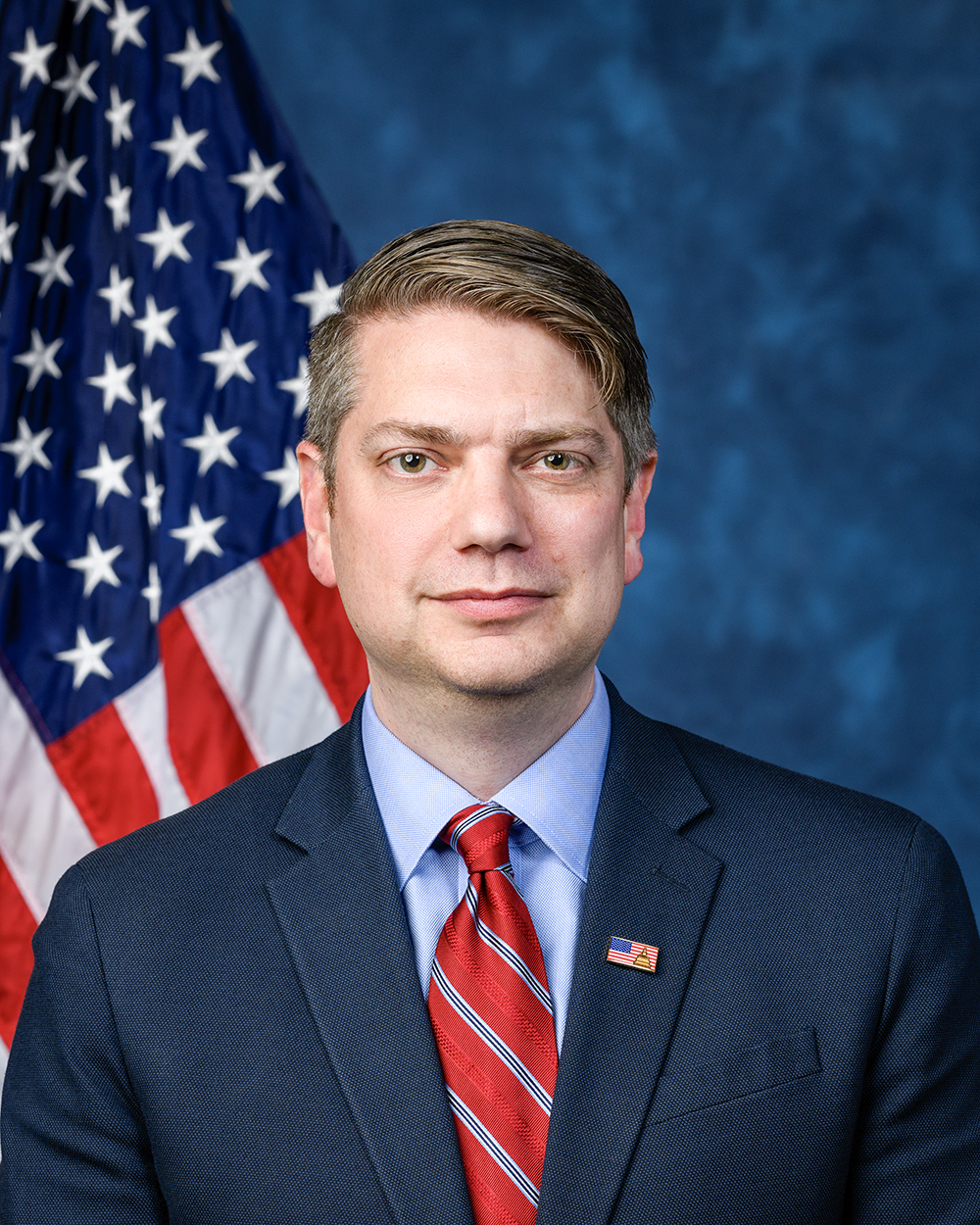
Rep. Nicholas J. Begich III
Sponsored bills
Chugach Alaska Land Exchange Oil Spill Recovery Act of 2025 This bill authorizes a land exchange between the Chugach Alaska Corporation (also known as Chugach, an Alaska Native regional corporation in southcentral Alaska) and the federal government. Specifically, if Chugach offers to convey to the Department of the Interior all right, title, and interest of Chugach in and to approximately 231,000 acres of subsurface estate within one year of the bill's enactment, then Interior must accept the offer and convey all right, title, and interest of the federal government in and to approximately 65,374 acres of fee simple land located in the Chugach region. (The Chugach region includes portions of land on the Kenai Peninsula and the coast of Prince William Sound in Alaska.) The bill directs Chugach to exclude from its conveyance to Interior all right, title, and interest in any land, not to exceed a total of 209 acres, for which a village corporation has retained development rights (other than timber development rights) or that has been designated for a shareholder homesite program.
This bill reauthorizes through FY2031 the Young Fishermen’s Development Grant Program, which supports local and regional training, education, outreach, and technical assistance initiatives for young fishermen.
Maddy summaryThis bill, known as the Protect Future Dividends Act, would allow individuals to receive tax-free payments from state sovereign wealth funds. It directly affects residents who might receive periodic payments from these state-established permanent funds, which are designed to benefit individual citizens rather than businesses or organizations. The key provision adds a new section to the Internal Revenue Code that excludes these specific payments from gross income, provided the funds are permanently established by state law, receive designated state revenue, and make payments based primarily on residency. The change would apply to payments received after the bill becomes law, allowing recipients to keep the full amount without federal income tax liability.
Maddy summaryHR 7678, the Gun Owner Registration Information Protection Act, prohibits federal funding for state or local databases that track lawfully owned firearms or their owners. The bill allows federal funding for databases recording lost or stolen firearms but bans it for databases listing legal gun ownership. This means states cannot use federal money to create or maintain systems that compile information about legally owned guns. The bill directly affects state and local governments that rely on federal funds for firearm ownership databases.
Law-Enforcement Innovate to De-Escalate Act This bill removes less-than-lethal projectile devices (e.g., certain TASERs) from regulation under the Gun Control Act. The term less-than-lethal projectile device means a device that (1) is not designed or intended to expel (and may not be readily converted to discharge) commonly used ammunition or projectiles exceeding a velocity of 500 feet per second; (2) is designed and intended to be used in a manner not likely to cause death or serious bodily injury; and (3) does not accept (and cannot be readily modified to accept) an ammunition feeding device. The bill also requires the Bureau of Alcohol, Tobacco, Firearms and Explosives to determine whether a device satisfies the definition of a less-than-lethal projectile device within 90 days of a request.
Maddy summaryHR 7539, the SAFE Act, requires the Comptroller General to study "chameleon carriers" (motor carriers evading safety rules by changing names or ownership) and develop an automated tool for the Federal Motor Carrier Safety Administration (FMCSA) to detect such applicants during Department of Transportation (DOT) number registration. The bill mandates the tool to identify patterns like shared ownership, similar addresses, insurance lapses, or continuity of operations to flag suspicious applications. It directly affects motor carriers applying for DOT numbers and FMCSA staff, who must use the tool to review applications while preserving final decision-making authority. The law also requires an appeals process for denied applications, data privacy safeguards, and a two-year effectiveness report on the tool.
Maddy summaryThis bill authorizes the U.S. Mint to produce two types of commemorative $2.50 coins for the 250th anniversary of the Declaration of Independence: a circulating coin for everyday use and a numismatic (collector) coin. Both would feature designs based on the 1926 Sesquicentennial coin - showing allegorical liberty holding the Declaration on one side and Independence Hall on the other - with "1776-2026" inscriptions. The bill requires the Mint to issue these coins by July 4, 2026, if technically and economically feasible, but does not mandate their production or affect any specific groups beyond the public who may purchase them.
Maddy summaryThe Undersea Cable Protection Act of 2025 prohibits the National Marine Sanctuaries Act from requiring additional authorizations for undersea fiber optic cables that already have federal or state permits. It directly affects cable operators who have obtained licenses, leases, or permits from any federal or state agency for cable installation or maintenance in national marine sanctuaries. The bill prevents the Secretary from blocking or demanding new permits for these cables once they have valid existing authorization. This simplifies regulatory processes by eliminating redundant federal oversight for cables already approved by other agencies.
Maddy summaryThe LASSO Act requires 10% of annual revenue generated from public lands managed by the Interior Department and Agriculture Department (including national forests and Outer Continental Shelf areas) to be deposited into the Social Security Trust Fund. This directly affects the Social Security Trust Fund by increasing its funding, while ensuring no fee hikes for public land activities or reductions in funds for states, tribes, or local governments. The bill mandates this transfer annually without altering existing revenue-sharing agreements or pricing structures. It aims to bolster Social Security finances through a specific, measurable mechanism tied to federal land management.