

Maddy summaryHR 3176 reauthorizes the National Volcano Early Warning and Monitoring System through 2030, extending the current program's funding and operations. The bill updates the authorization period from 2019-2023 to 2026-2030 and adjusts administrative oversight, changing references from the U.S. Geological Survey and National Oceanic and Atmospheric Administration to the Secretary of the Interior and Secretary of Commerce, respectively. This directly affects the U.S. Geological Survey and Department of Commerce, which manage the system tracking volcanic activity across the U.S. It maintains the existing monitoring network without creating new requirements, ensuring continued early warning capabilities for communities near active volcanoes.
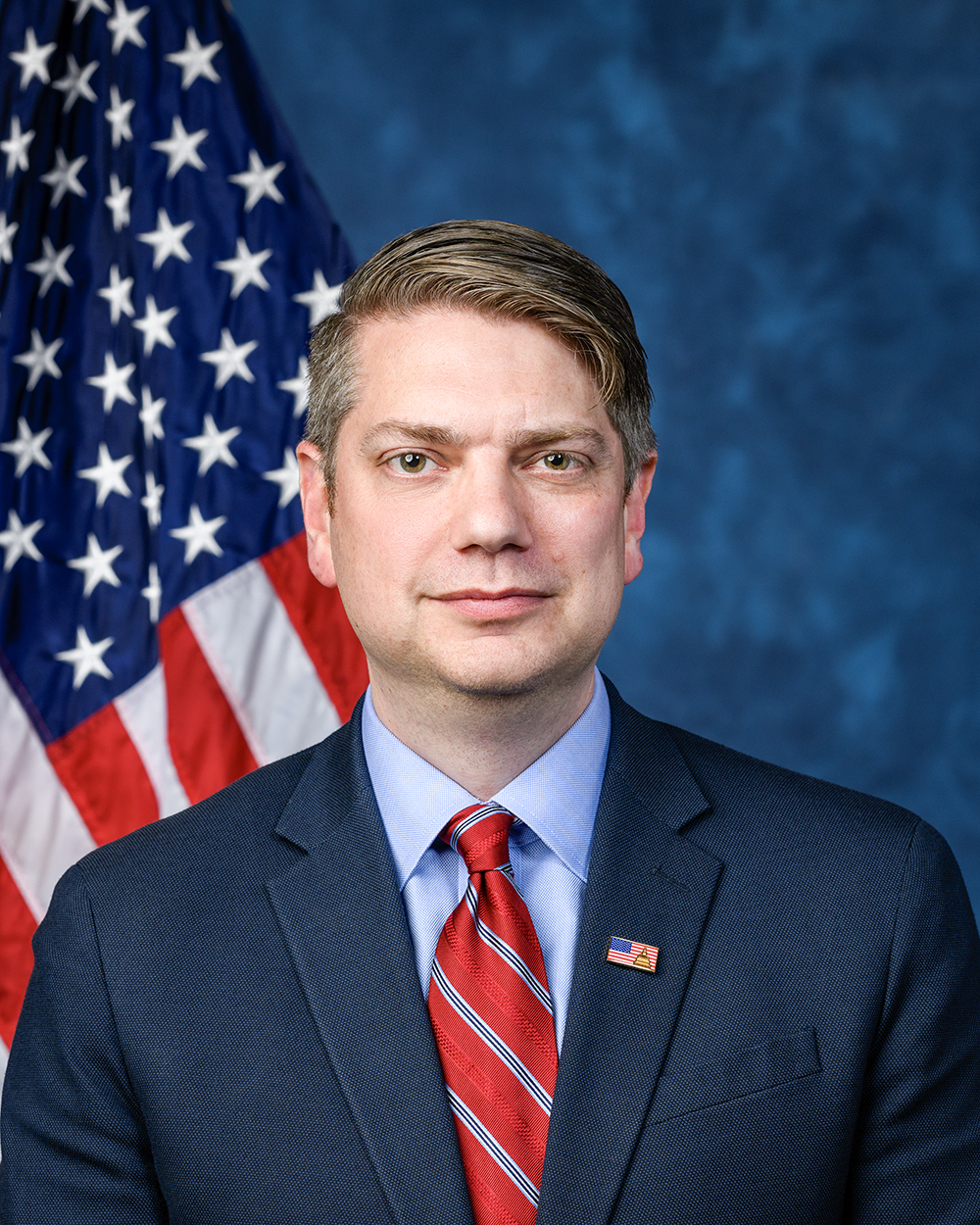
Rep. Nicholas J. Begich III
Sponsored bills
Miracle on Ice Congressional Gold Medal Act This act provides for the award of Congressional Gold Medals to the members of the 1980 U.S. Olympic men's ice hockey team in recognition of the team's achievement at the 1980 Winter Olympic Games.
Maddy summaryHJRES 131 blocks a Bureau of Land Management (BLM) rule that would have allowed oil and gas leasing in Alaska's Arctic National Wildlife Refuge Coastal Plain. The bill uses the Congressional Review Act to formally disapprove this specific rule, making it legally void. It directly affects the BLM's ability to advance the leasing program and companies seeking permits for oil and gas development in that area. The resolution became law after passing both chambers of Congress in late 2025.
This joint resolution nullifies the rule submitted by the Bureau of Land Management (BLM) relating to the Record of Decision and Approved Resource Management Plan (RMP) for Alaska’s Central Yukon planning area and issued on November 12, 2024. By way of background, an RMP guides the management of lands administered by the BLM. This Central Yukon RMP modified the prior RMP for the area, including by designating 21 areas of critical environmental concern or research natural areas, encompassing approximately 3,611,000 acres.
Maddy summaryHR 5131 extends military land withdrawals for training at key facilities until 2051, including Fort Greely and Fort Wainwright in Alaska, Fort Bliss's McGregor Range in New Mexico, and Fort Irwin in California. It corrects specific land area descriptions for these ranges (e.g., adjusting acreage for McGregor Range from 608,385 to 605,401 acres and Fort Irwin from 110,000 to 117,710 acres). The bill directly affects military training operations by maintaining current land use without new restrictions or requirements. It makes no policy changes beyond extending existing withdrawals and fixing technical land description errors.
Maddy summaryHR 5800, the SAFE Drivers Act, requires commercial driver's license (CDL) applicants and renewers to pass a standardized English proficiency test approved by the Federal Motor Carrier Safety Administration (FMCSA). The test assesses reading road signs, understanding emergency communications, and writing required documentation - critical for safety in commercial driving. States must administer the test through their DMVs, report pass rates annually to the FMCSA, and face potential federal funding cuts if they fail to comply. The law applies to all new CDL issuances or renewals starting 12 months after enactment, directly affecting commercial drivers seeking or maintaining their licenses.
Maddy summaryThis bill allows workers aged 50 or older to directly roll over employer retirement contributions (from 401(k) plans) into an individual retirement annuity without triggering immediate taxes or penalties. It requires retirement plan administrators to provide clear, plain-language written explanations about rollover rules, including a 30-day review period, tax implications (like the 10% early withdrawal penalty), and what types of distributions cannot be rolled over (such as required minimum distributions). The rules apply to taxable years starting after December 31, 2025, and aim to simplify the process for older workers changing jobs or managing retirement funds. It directly affects workers aged 50+ and retirement plan administrators who must comply with the new disclosure standards.
Maddy summaryHRES 911 is a symbolic resolution recognizing National Native American Heritage Month (November 1-30) and Native American Heritage Day, as established by prior law. It urges the public to observe these occasions through programs that celebrate Native American cultures, heritages, and contributions to U.S. history, including fields like agriculture, medicine, military service, and language. The resolution does not create new legal requirements but formally acknowledges the ongoing significance of Native American communities and their historical impact. It aligns with existing congressional support for Tribal self-governance and honors the contributions of Native Americans as documented in the 2009 Native American Heritage Day Act.
Maddy summaryHR 6304, the "AI for America Act," requires federal agencies to develop an action plan by July 2027 focused on AI leadership, security risks, and bias mitigation, along with biennial updates. It mandates identifying regulatory barriers to AI adoption in healthcare, scientific research, and transportation within one year of enactment. Additionally, the bill directs the National Institute of Standards and Technology (NIST) to submit a report within one year on methods to detect security risks and ideological bias in AI systems, including third-party audits and public disclosure protocols. The bill primarily affects federal agencies like OSTP and NIST, setting procedural deadlines without creating new funding or direct regulatory changes for AI developers.
Maddy summaryThe Native Arts and Culture Promotion Act amends the American Indian, Alaska Native, and Native Hawaiian Culture and Art Development Act to update governance for grants supporting Native Hawaiian art and culture. It requires that governing boards for these grants include Native Hawaiians and recognized experts in Native Hawaiian art, with members serving fixed terms. The bill also removes the word "private" from a section of the law, clarifying that such grants are not restricted to private entities. These changes specifically apply to Native Hawaiian cultural programs and do not alter funding or administration for other tribal groups.